The B-1B that came back: why America’s “boneyard” is really a strategic reserve
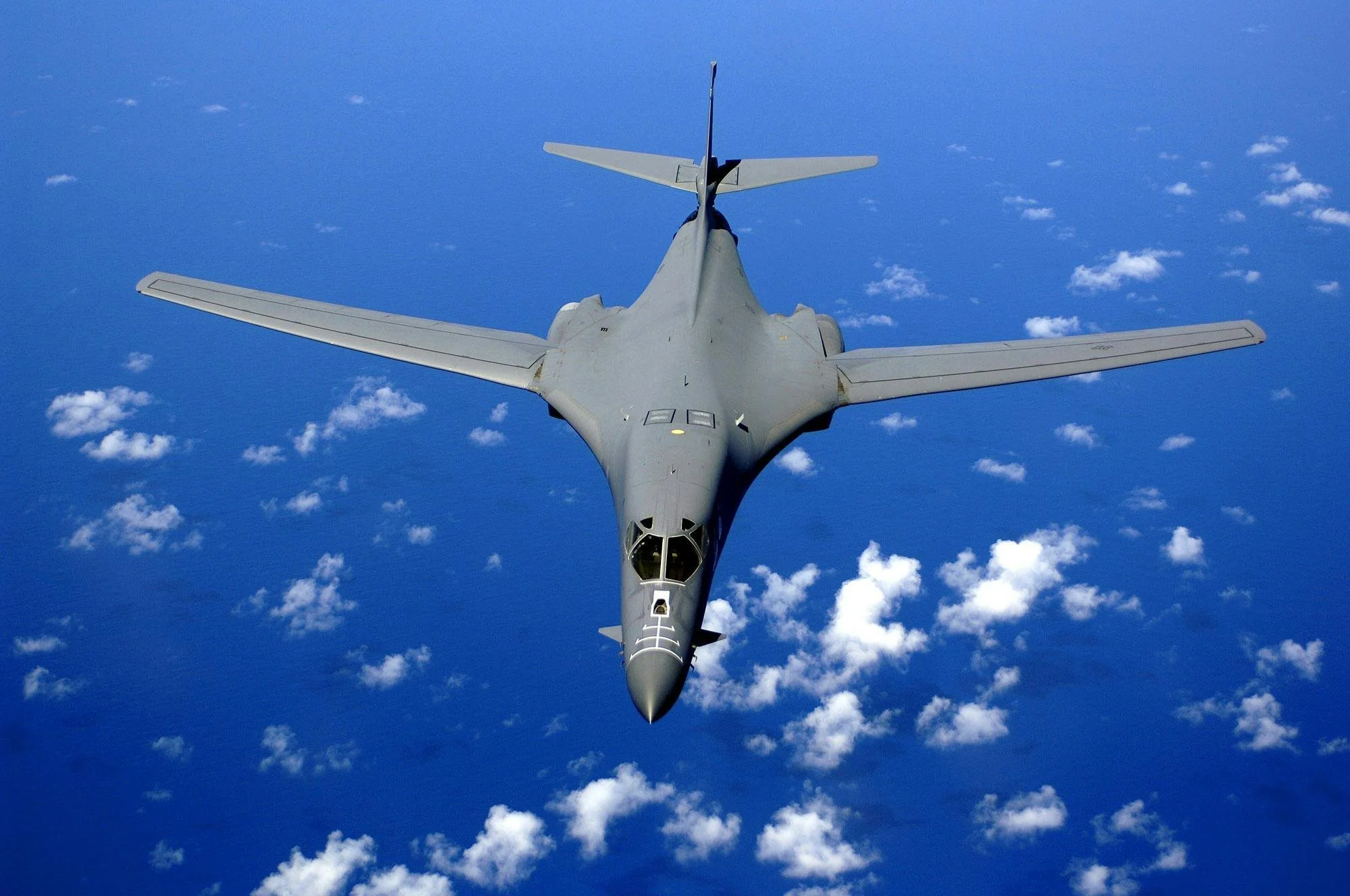
Rockwell B-1 Lancer. Photo by Pexels
Date published: 8 May 2026
Event date: 22 April 2026
Event location / region: Tinker AFB, Oklahoma; Dyess AFB, Texas; Davis-Monthan AFB, Arizona / United States
Event type: Bomber fleet regeneration, depot maintenance, strategic airpower sustainment
A U.S. Air Force B-1B Lancer has just done something most retired combat aircraft never do. It came back.
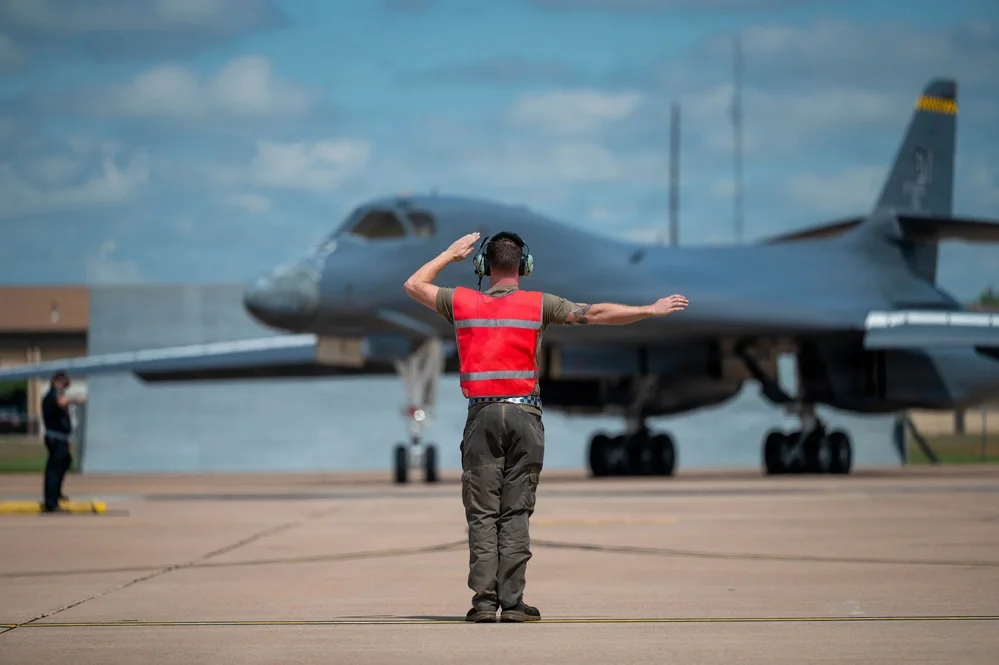
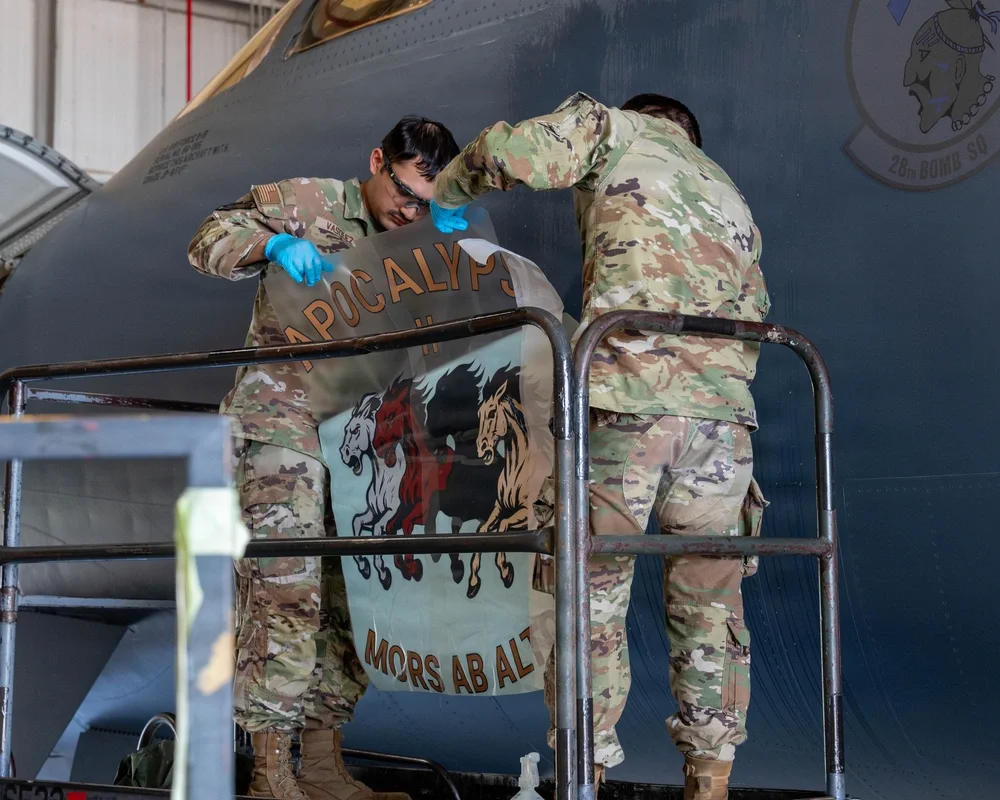
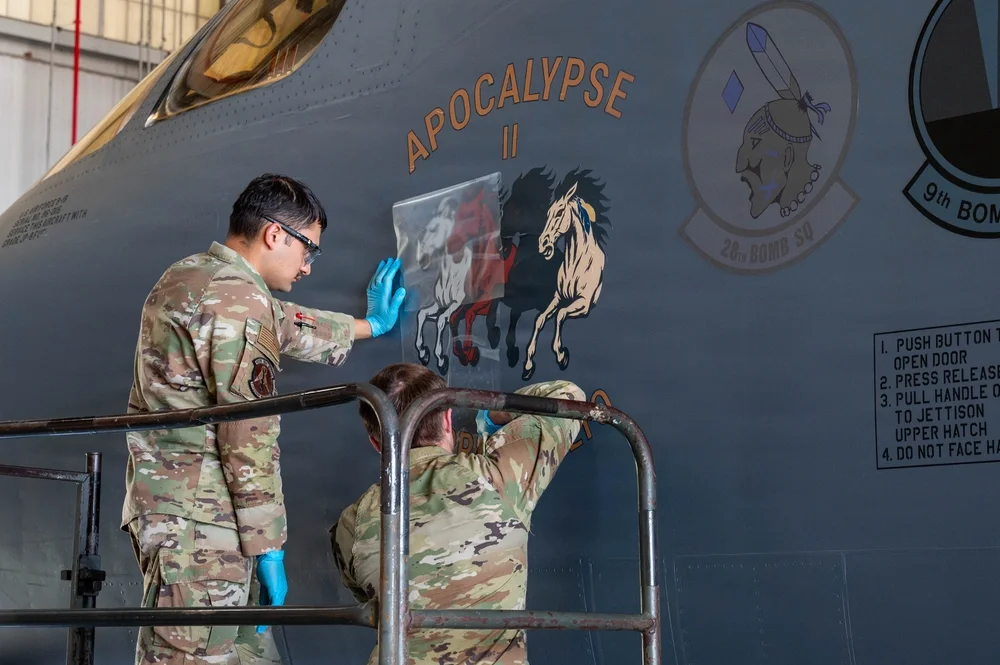
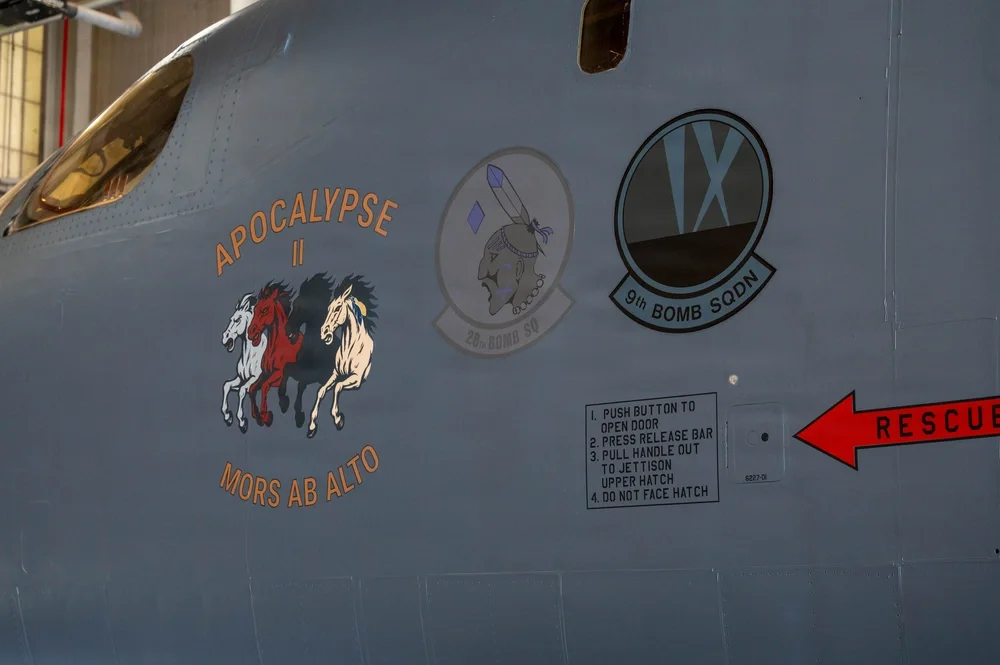
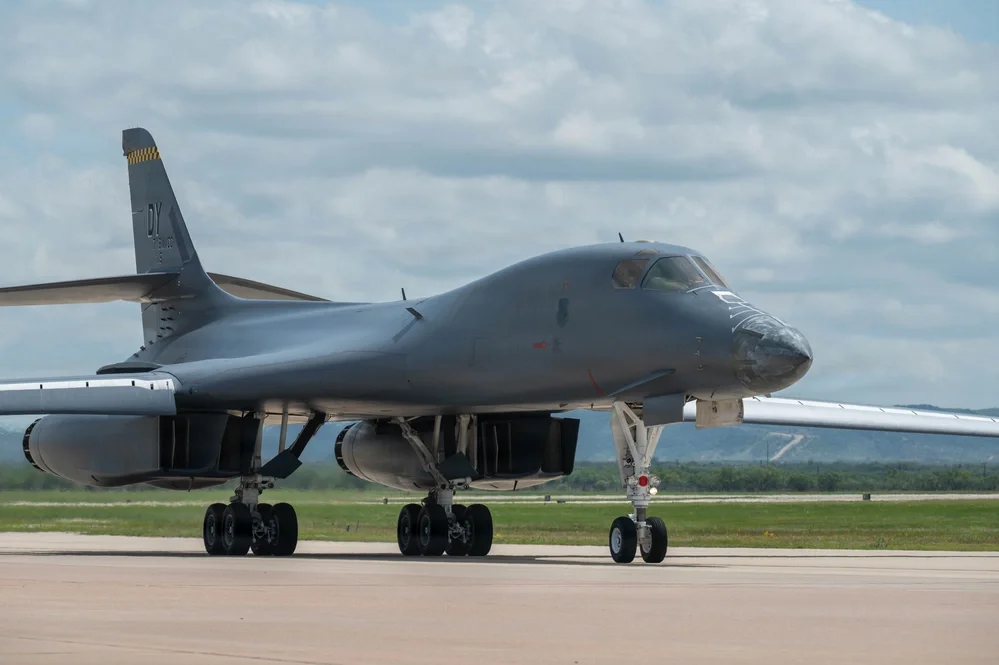
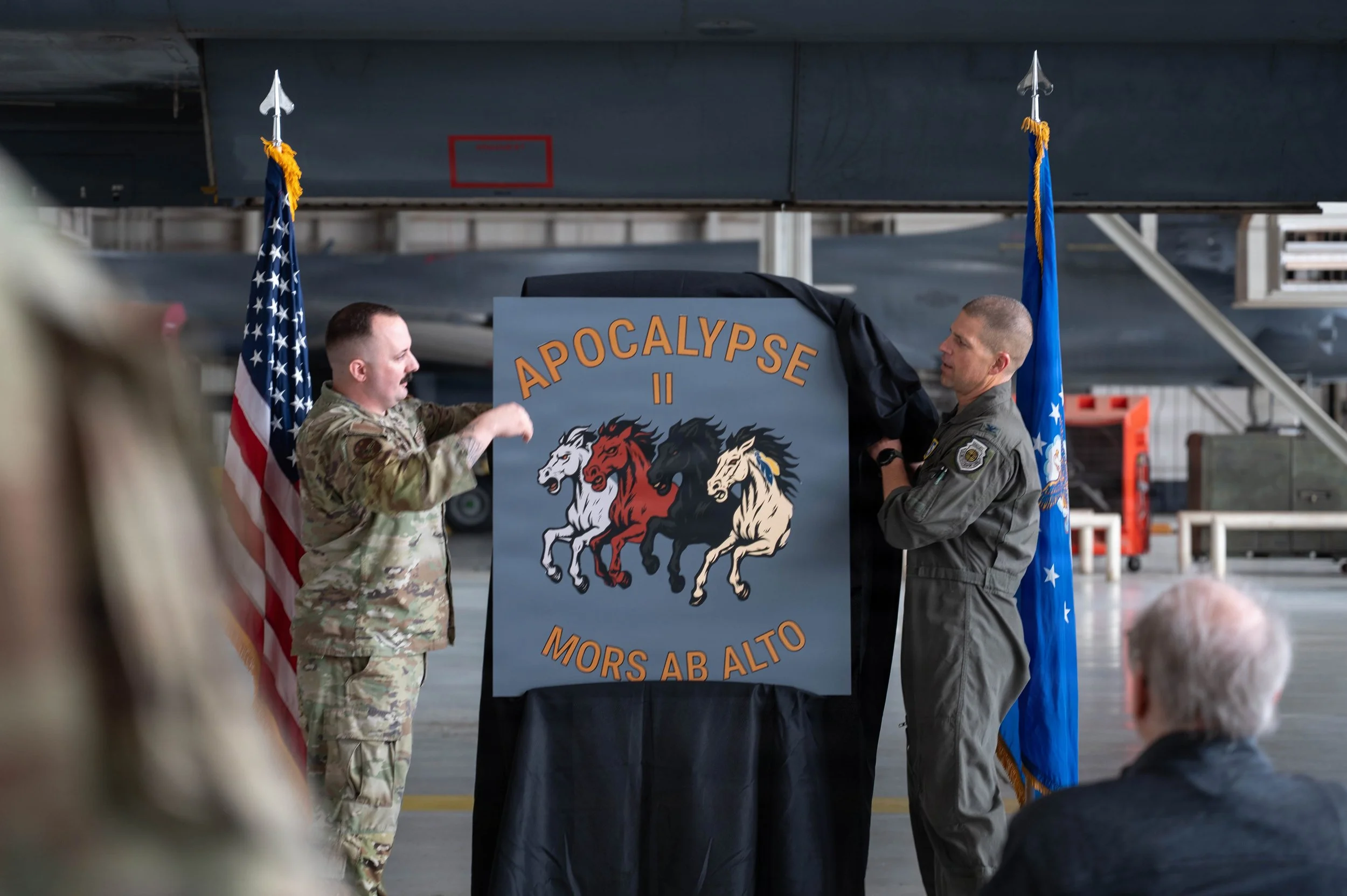
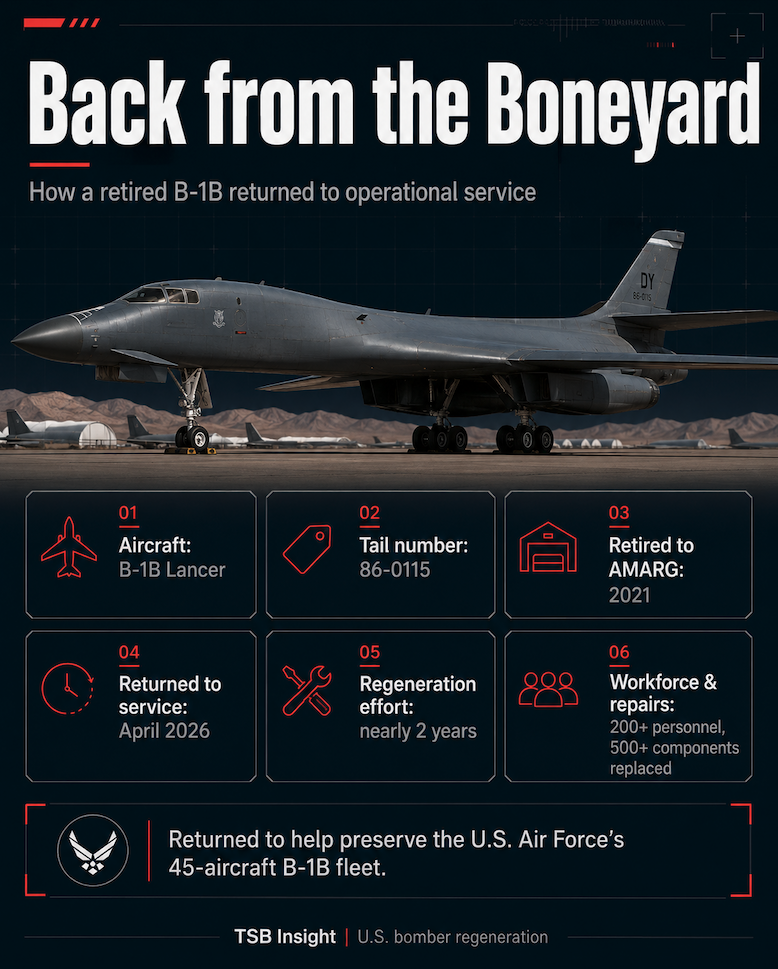
The aircraft, tail number 86-0115, was one of 17 B-1Bs retired in 2021 and sent to the 309th Aerospace Maintenance and Regeneration Group at Davis-Monthan Air Force Base, better known as the “boneyard.” In April 2026, after depot work at Tinker Air Force Base, it returned to Dyess Air Force Base as the 7th Bomb Wing’s new flagship and was renamed “Apocalypse II.” The name honors a World War II B-24J Liberator crew shot down over Burma in 1942.
The operational reason was less romantic. The Air Force needed to preserve its congressionally mandated 45-aircraft B-1B fleet after another bomber entered extensive structural repair. So the service reached into storage, pulled out a retired airframe, and spent nearly two years bringing it back to combat-capable status. More than 200 Airmen and civilians from the 567th Aircraft Maintenance Squadron worked the job, replacing more than 500 components and carrying out system overhauls and structural repairs.
That is the story. The lesson is bigger.
The B-1B did not return from the dead. It returned from a system built to keep dead options alive.
America’s boneyard is not a scrapyard
The 309th AMARG sits at Davis-Monthan AFB in Tucson, Arizona. It covers about 2,600 acres and stores, on average, around 3,200 aircraft, 6,100 aircraft engines, and nearly 300,000 line items of production tooling and special test equipment. The site works because the Arizona desert does some of the preservation work for free: dry air slows corrosion, and the hard caliche soil can support heavy aircraft without paving the entire desert.
AMARG’s mission is wider than storage. It preserves aircraft, reclaims parts, prepares aircraft for disposal, regenerates selected airframes, and now also performs limited depot-level maintenance. In other words, it functions as a strategic airpower reservoir, a parts warehouse, a disposal center, and a regeneration shop at the same time.
That matters because most stored aircraft will not come back as frontline platforms. Many become parts sources. Some become training aids. Some are eventually scrapped. A smaller number return to flying status. The system works because it gives the U.S. government choices after an aircraft leaves the active fleet.
This is the part many countries miss. Retirement is not one decision. It is a chain of decisions: how the aircraft is stored, what documentation remains with it, whether parts can be removed, whether corrosion is controlled, whether engines and systems are preserved, whether depot expertise still exists, and whether the aircraft’s configuration is still understood years later.
The B-1B case is especially interesting because tail 86-0115 had been placed in Type 2000 storage. That is not the most pristine “bring me back quickly” category. Yet the Air Force still found a way to regenerate it. That says something about U.S. sustainment depth, but it also says something about the cost of doing this late. Two years of work is not a quick fix.
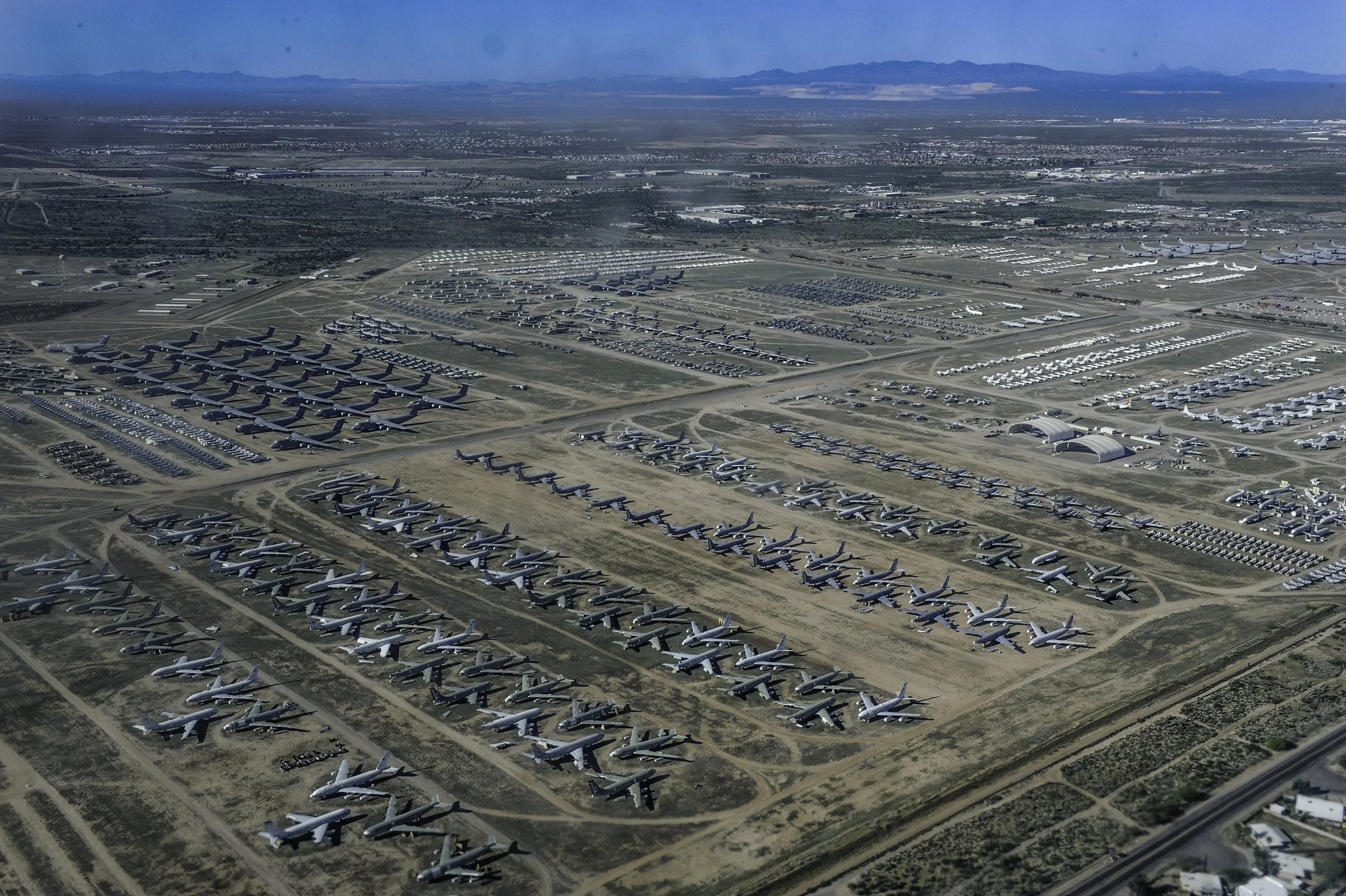
Aerial view of retired U.S. military aircraft stored at the 309th Aerospace Maintenance and Regeneration Group, Davis-Monthan Air Force Base, Arizona, 28 March 2015.
Photo: U.S. Navy / Mass Communication Specialist 3rd Class Amber Porter, public domain, via Wikimedia Commons
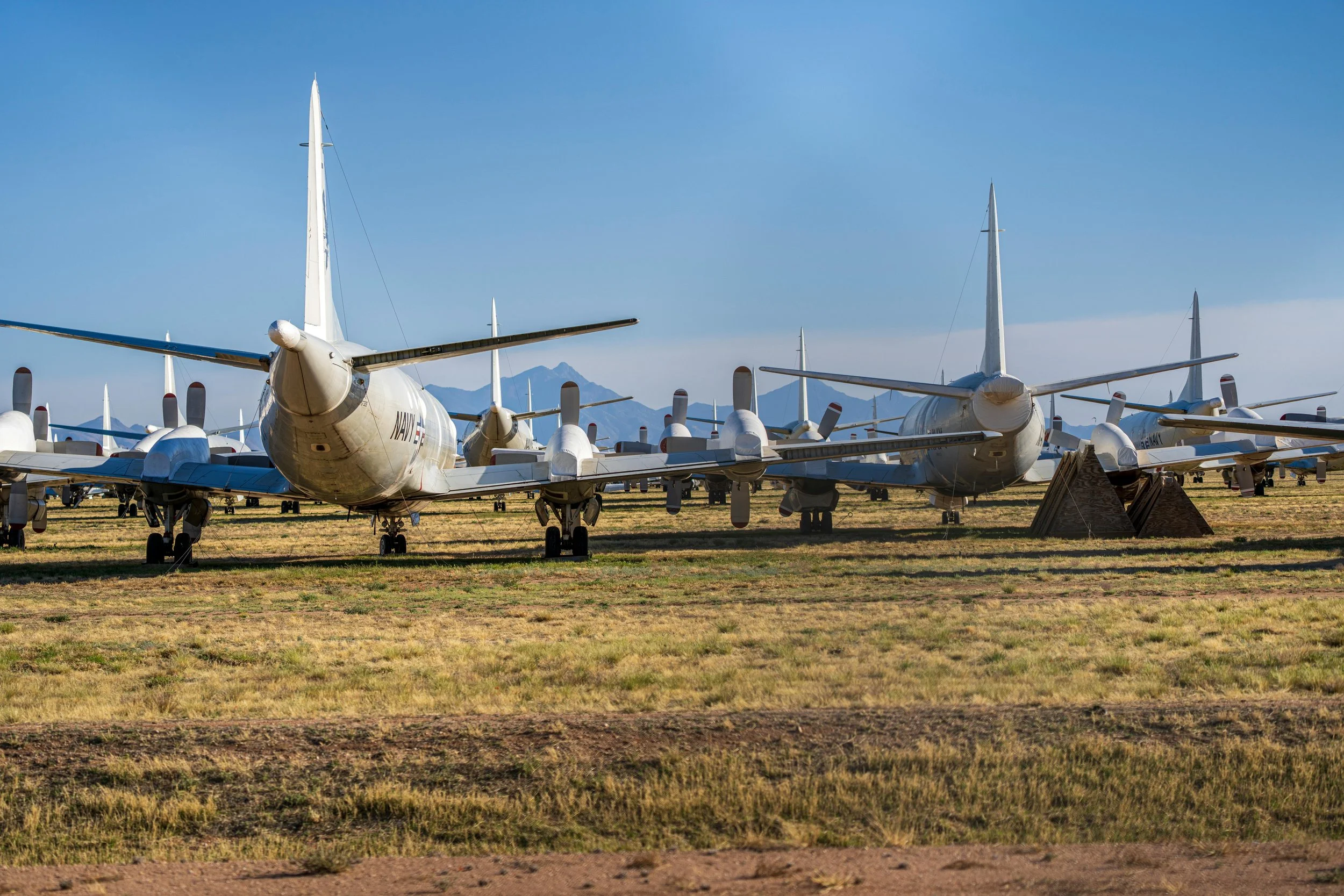
AMARG. Photo by Pexels.
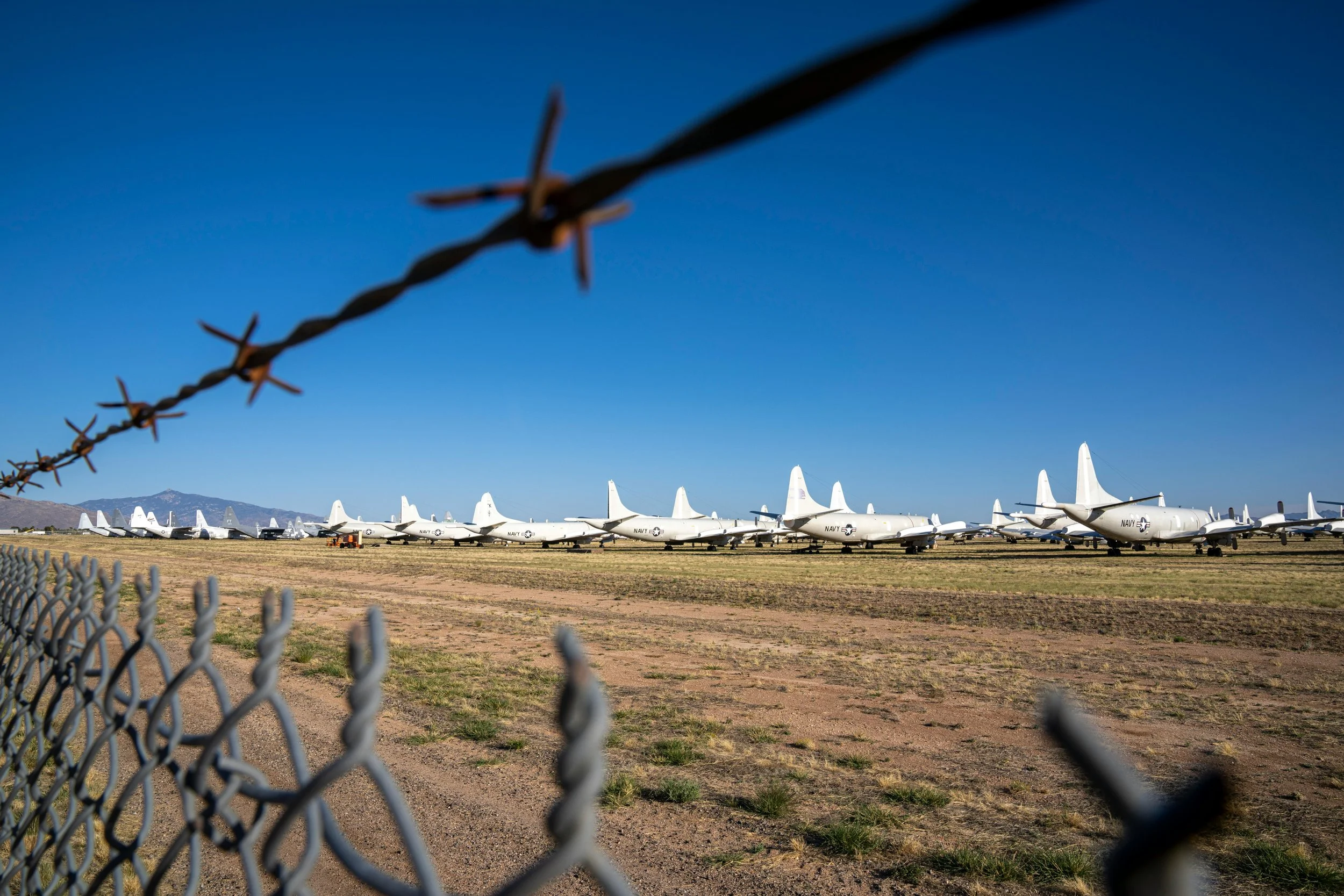
AMARG. Photo by Pexels.
The most useful aircraft may be the one that never flies again
The headline aircraft gets the attention. The parts economy does the daily work.
In 2025, the U.S. Defense Department reported that AMARG had supplied roughly 10,000 reclaimed parts in the previous year, worth about $500 million. Some of those parts are no longer manufactured. Buying them new would either take too long, cost too much, or simply be impossible.
That is the hidden value of the boneyard. It keeps old fleets alive without pretending that every stored aircraft will return to service. A parked aircraft may be more useful as a controlled source of certified components than as a candidate for regeneration.
AMARG also feeds the full-scale aerial target pipeline. The Defense Department says nearly 1,100 aircraft have been processed for drone conversion over 48 years, including F-102s, F-100s, F-106s, F-4s and F-16s.
The F-4 Phantom became one of the most visible examples. AMARG began working on the F-4 target-drone program in 2001 and had completed 315 regenerations by early 2013, with each aircraft requiring about 9,000 man-hours and roughly 277 calendar days on average.
The F-16 then followed. The QF-16 program required AMARG to regenerate and deliver 210 F-16s, with planned capacity of 22 aircraft per year. Those F-16s had typically spent between three and twelve years in storage before entering the drone-conversion pipeline.
So the aircraft most often “returned” from storage are not bombers making dramatic comebacks. They are fighters converted into expendable, realistic targets. That is less glamorous. It is also brutally practical.
The long-storage record belongs to NASA
The most extraordinary known case is not the B-1B or the B-52. It is a NASA WB-57F Canberra.
NASA says aircraft NASA 927, formerly Air Force 63-13295, made its first flight in 2013 after spending more than 41 years in long-term storage at Davis-Monthan. It then completed two years of regeneration before returning to flying status. NASA states that the aircraft holds the record for the longest time in extended storage before being returned to flight.
Among strategic bombers, the B-52H remains the more famous comeback platform. “Ghost Rider” returned after a 19-month transformation from a mothballed, 55-year-old aircraft into an updated conventional and nuclear-capable bomber. Another B-52H, “Wise Guy,” became only the second B-52H regenerated from AMARG for active service after more than a decade in storage.
The new B-1B regeneration now joins that small club. It also arrives at a politically sensitive moment. The U.S. bomber force is transitioning toward the B-21 Raider, but the old fleet still has to carry real-world tasking until the new aircraft arrives in useful numbers. That transition period is where air forces often become fragile.
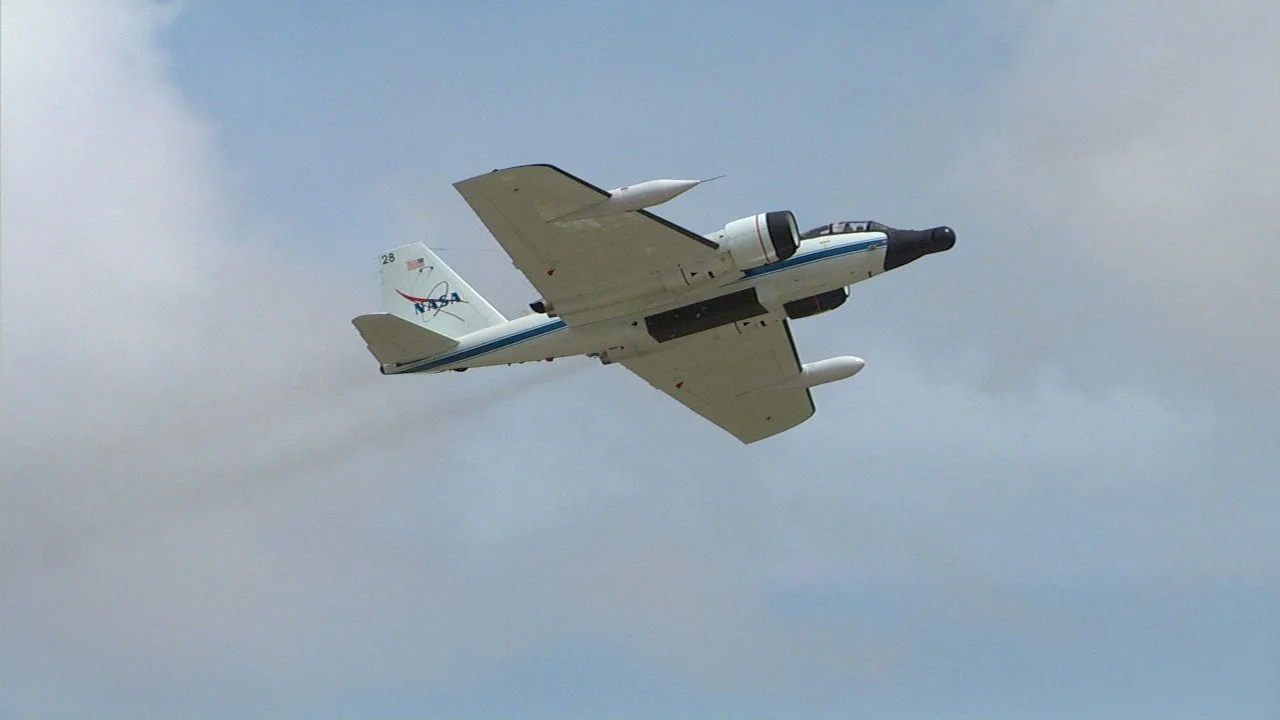
NASA WB-57F aircraft NASA 928 in flight with the WB-57 Ascent Video Experiment nose-mounted imaging system, 2005.
Photo: NASA/MSFC/JSC, public domain, via Wikimedia Commons
Other countries do this too, but not at American scale
The U.S. model stands out because of scale, geography, funding, transparency and industrial depth. Few countries can put thousands of airframes in one desert facility and maintain a dedicated regeneration and reclamation ecosystem around them.
The United Kingdom uses a smaller reserve model. The RAF says its Aircraft Maintenance and Storage Unit at RAF Shawbury holds front-line and training aircraft not needed for daily use. They sit in four specially dehumidified hangars at different readiness levels and can return to active service under the RAF’s airframe management policy, which also aims to equalize fatigue life across the fleet.
Canada follows a more formal divestment and disposal model. The RCAF assesses when fleets should retire, evaluates whether aircraft should be sold, transferred, used as spares, converted into training aids, preserved, or scrapped, and must account for airworthiness, hazardous materials, ITAR and controlled-goods rules. Canada’s Mountain View detachment also stores and overhauls older aircraft.
The common logic is clear. Serious air forces do not simply “throw aircraft away.” They manage the afterlife of platforms. The difference is that the United States has turned that afterlife into a national-scale sustainment instrument.
What leaders should take from it
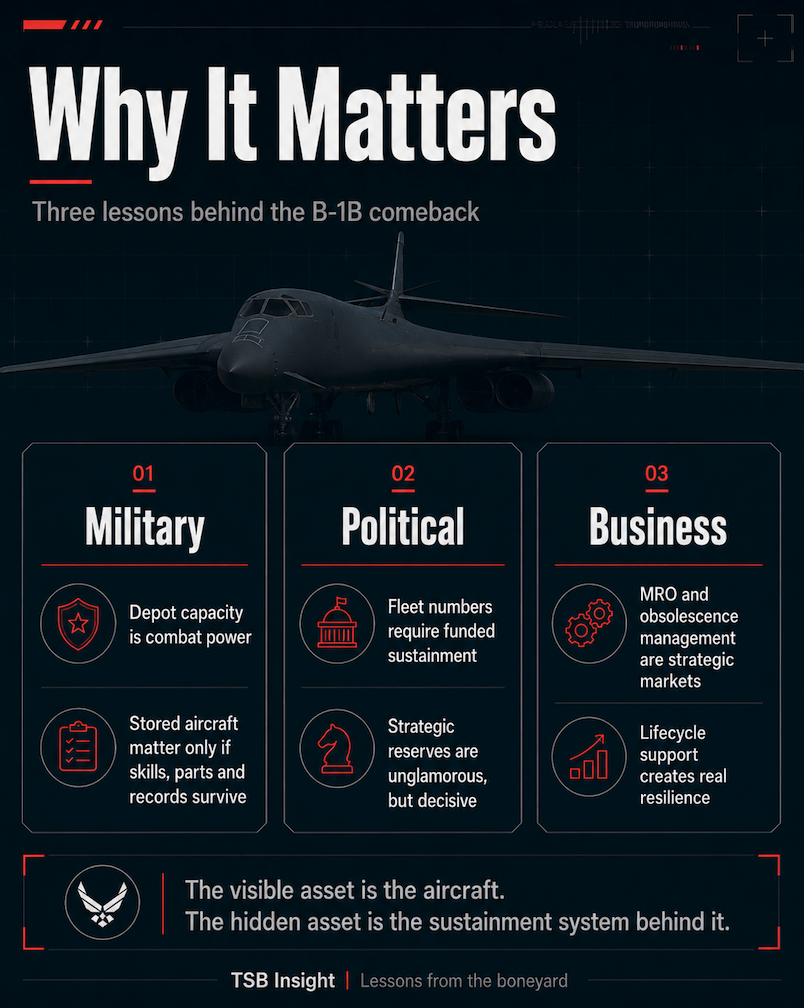
For military leaders, the B-1B story is a reminder that depot capacity is combat power. A stored aircraft has no operational value unless the force still has the engineers, maintainers, tooling, technical data, test pilots, supply chain and budget to bring it back. The aircraft is only the visible asset. The sustainment system is the real weapon.
For political leaders, the lesson is sharper. Fleet numbers mean little unless they come with funded lifecycle support. If a parliament or congress mandates a fleet size, it must also fund the unglamorous machinery that keeps that number real: depot throughput, spares, corrosion control, structural repair, software support, records, tooling and skilled labor.
For business leaders, the opportunity is obvious. Defence markets will not only reward companies that build new platforms. They will reward companies that can preserve, inspect, repair, modernize, document and regenerate old ones. Obsolescence management is no longer a back-office service. It is part of national resilience.
For smaller countries, the warning is uncomfortable. Most air forces do not have an AMARG. They cannot rely on a vast desert reserve to undo bad retirement decisions. That makes documentation, storage discipline, spares planning and configuration control even more important. Once an aircraft is cannibalized without discipline, stored badly, or stripped of records, it may be lost forever.
The regenerated B-1B is a good story because it has a dramatic image: a bomber leaving the desert and returning to the fleet.
The real story is colder and more useful.
Strategic depth is not built only by buying the next aircraft. It is also built by preserving options long after the last flight was supposed to be over.

Sources
U.S. Air Force, 7th Bomb Wing Public Affairs. “Regenerated B-1B Lancer dedicated as ‘Apocalypse II’ to honor WWII heroes.” Published by Dyess Air Force Base, 23 April 2026. Used for the original B-1B event, aircraft identity, tail number 86-0115, Type 2000 storage, return to operational service and historical nose-art context.
Air Force Materiel Command / 72nd Air Base Wing Public Affairs. “Back from the Boneyard: Tinker Brings B-1 Back to the Fight.” Published 6 May 2026. Used for the depot-maintenance details, two-year regeneration process, Tinker AFB role, 567th Aircraft Maintenance Squadron involvement, 200-plus personnel and more than 500 replaced components.
U.S. Air Force / Ogden Air Logistics Complex. “309th Aerospace Maintenance and Regeneration Group.” Used for AMARG’s official mission, storage role, site size, aircraft and engine storage figures, tooling inventory and regeneration/reclamation functions.
U.S. Department of Defense. “Aircraft Boneyard Supports DOD Readiness, Saves Taxpayer Dollars.” Used for AMARG’s broader readiness role, parts-reclamation value, full-scale aerial target processing and the strategic value of stored aircraft.
NASA. “WB-57 History.” Used for the NASA 927 / WB-57F Canberra case and the record of more than 41 years in storage before return to flight.
U.S. Air Force, Davis-Monthan Air Force Base. “AMARG brings the F-4 back to life.” Published 25 January 2013. Used for the F-4 Phantom full-scale aerial target regeneration figures, including 315 completed regenerations, average man-hours and average calendar days.
Air Force Sustainment Center. “F-16s being regenerated into drones.” Published 17 July 2013. Used for the QF-16 regeneration program, including the 210-aircraft requirement, 22-aircraft annual capacity and three-to-twelve-year storage range.
U.S. Air Force. “‘Ghost Rider’ in the sky: B-52 departs Tinker in historic flight.” Published 27 September 2016. Used for the B-52H “Ghost Rider” regeneration example.
U.S. Air Force / Edwards Air Force Base. “‘Wise Guy’ arrives at Tinker.” Published 29 April 2020. Used for the B-52H “Wise Guy” regeneration example and the broader bomber-return precedent.
Royal Air Force. “RAF Shawbury.” Used for the UK comparison, including the Aircraft Maintenance and Storage Unit and dehumidified-hangar reserve model.
Government of Canada / Royal Canadian Air Force. “What happens to aircraft when the RCAF no longer needs them?” Published 18 June 2015, archived. Used for the Canadian aircraft retirement, disposal, transfer, spare-parts and regulatory-control process.
Image source and usage note
DVIDS / U.S. Air Force. “Dyess Airmen prepare ‘Apocalypse II’ for operational service.” Photo by Airman 1st Class William Neal, 7th Bomb Wing. The image is marked public domain on DVIDS.
DVIDS. “Copyright Information.” Used for public-domain and non-endorsement guidance for Department of Defense visual information.
Image-credit note:
Image credit: U.S. Air Force photo by Airman 1st Class William Neal. The appearance of U.S. Department of Defense visual information does not imply or constitute DoD endorsement.