The Fighter Advantage: What the World’s Leading Combat Aircraft Actually Do Best
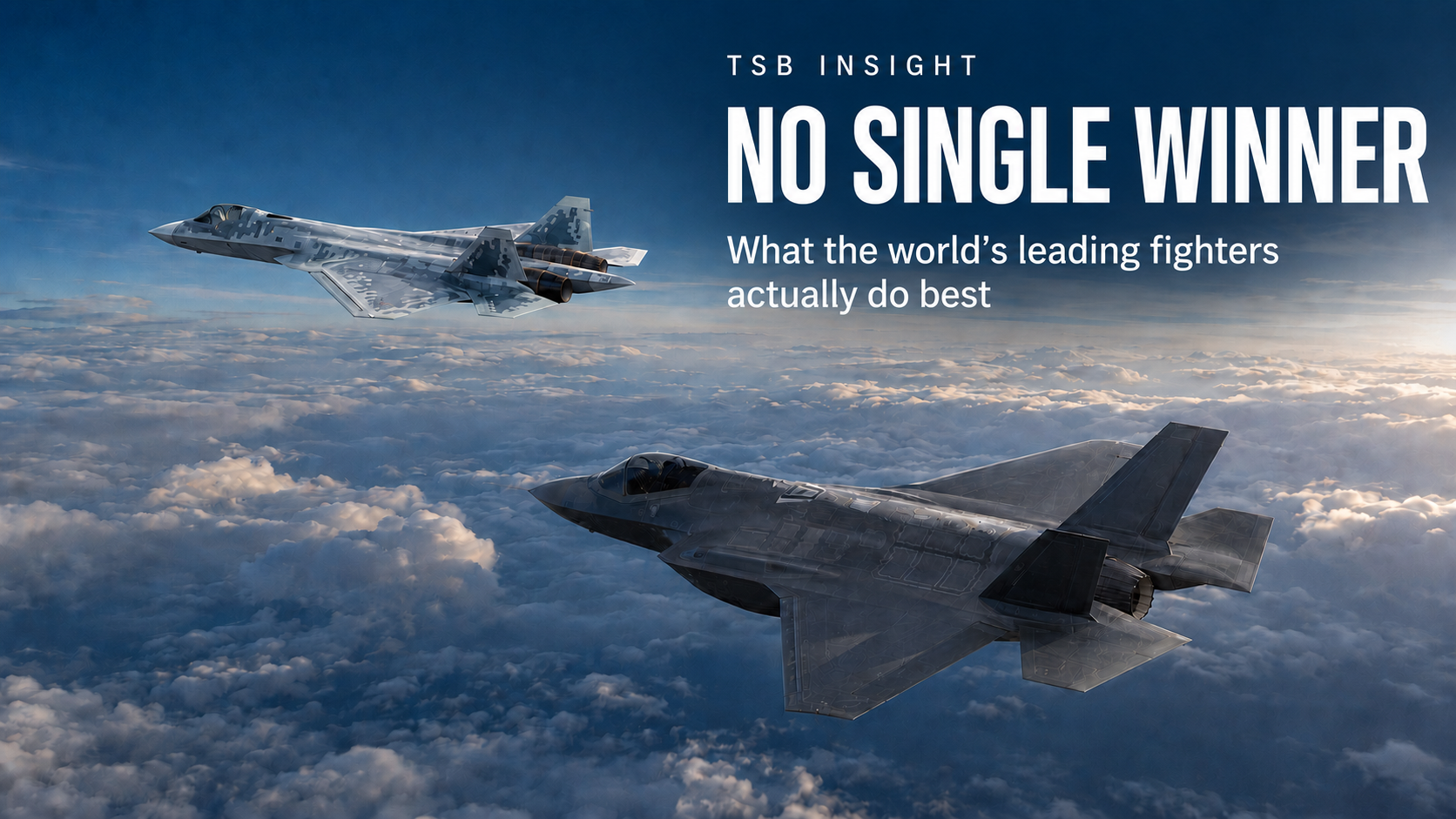
Date published: 27 July 2026
Assessment date: 27 July 2026
Event location / region: Global
Event type: Combat-aircraft capability and market assessment
The question “Which country has the best fighter?” sounds straightforward. The answer is not.
An F‑22 built to establish air superiority cannot be judged by exactly the same criteria as a Gripen E designed for resilient, cost-efficient operations from dispersed bases. Nor can an operational F‑35I be compared directly with Türkiye’s developmental KAAN or India’s planned Advanced Medium Combat Aircraft.
The more useful question is this:
What is the strongest fighter capability each major aerospace power can field today—and what makes it valuable?
This assessment therefore distinguishes between aircraft that are operational, aircraft entering service and future programmes still in development. It considers survivability, sensors, electronic warfare, weapons, range, operational maturity, industrial value and the relationship between cost and delivered capability.
Cost deserves particular caution. Public figures often compare a bare aircraft, a complete weapons package and a long-term support agreement as if they were equivalent. They are not. “Value” here means the operational effect produced in relation to acquisition cost, operating burden, fleet availability and strategic freedom—not simply the lowest advertised unit price.
United States: F‑22 Raptor and F‑35 Lightning II
The United States remains the only country operating two mature fifth-generation fighter families in substantial numbers.
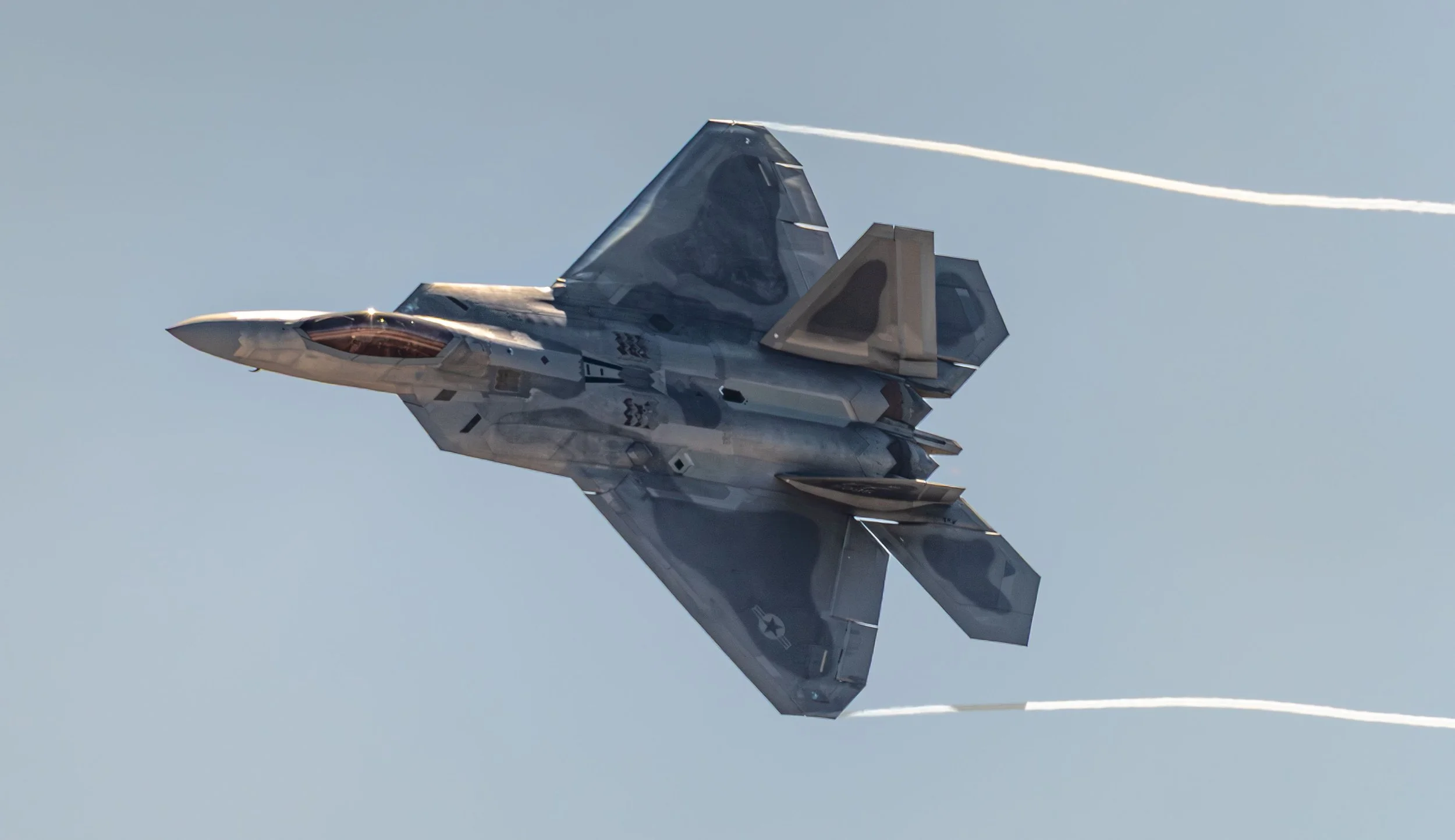
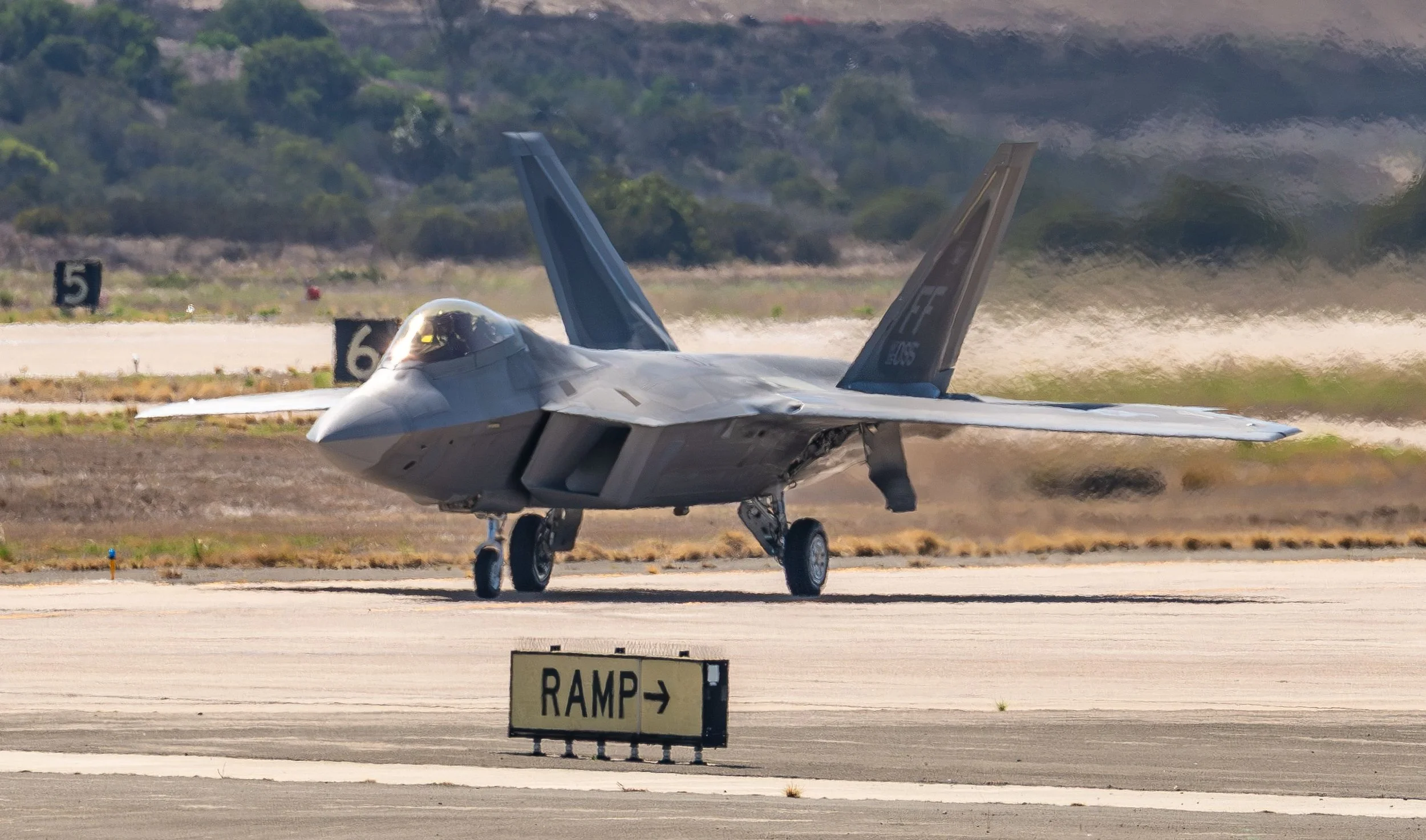
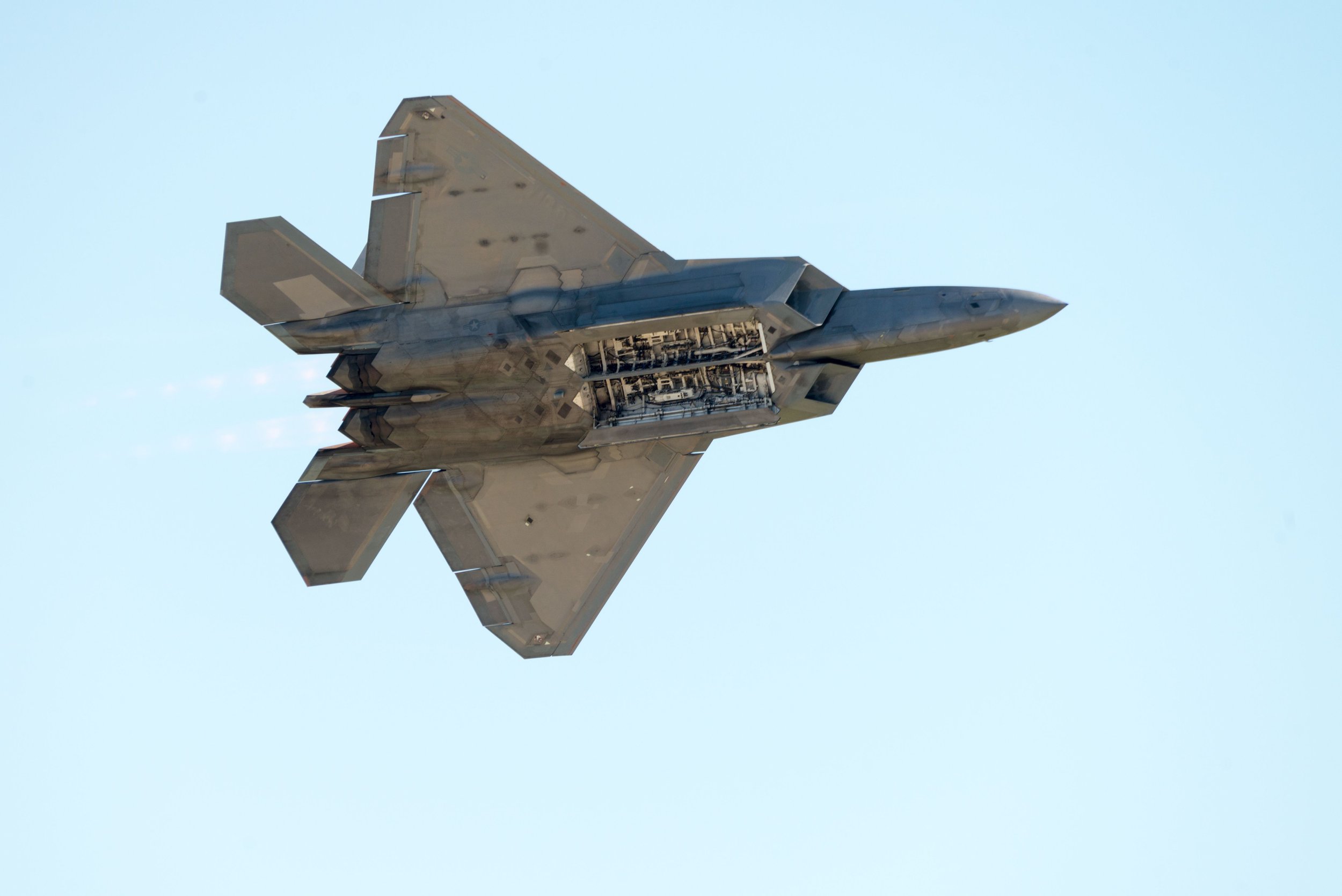
The F‑22 remains the more specialised air-superiority platform. Its combination of low observability, supercruise, altitude, acceleration and manoeuvrability gives it exceptional value in gaining control of contested airspace. Its greatest strength is not any single characteristic, but the ability to detect, position and engage before an opponent can respond effectively.
Its limitations are equally clear. Production ended in 2012, the fleet is relatively small, the aircraft was never exported and sustaining it is expensive. The F‑22 is an exceptionally capable but finite strategic asset.
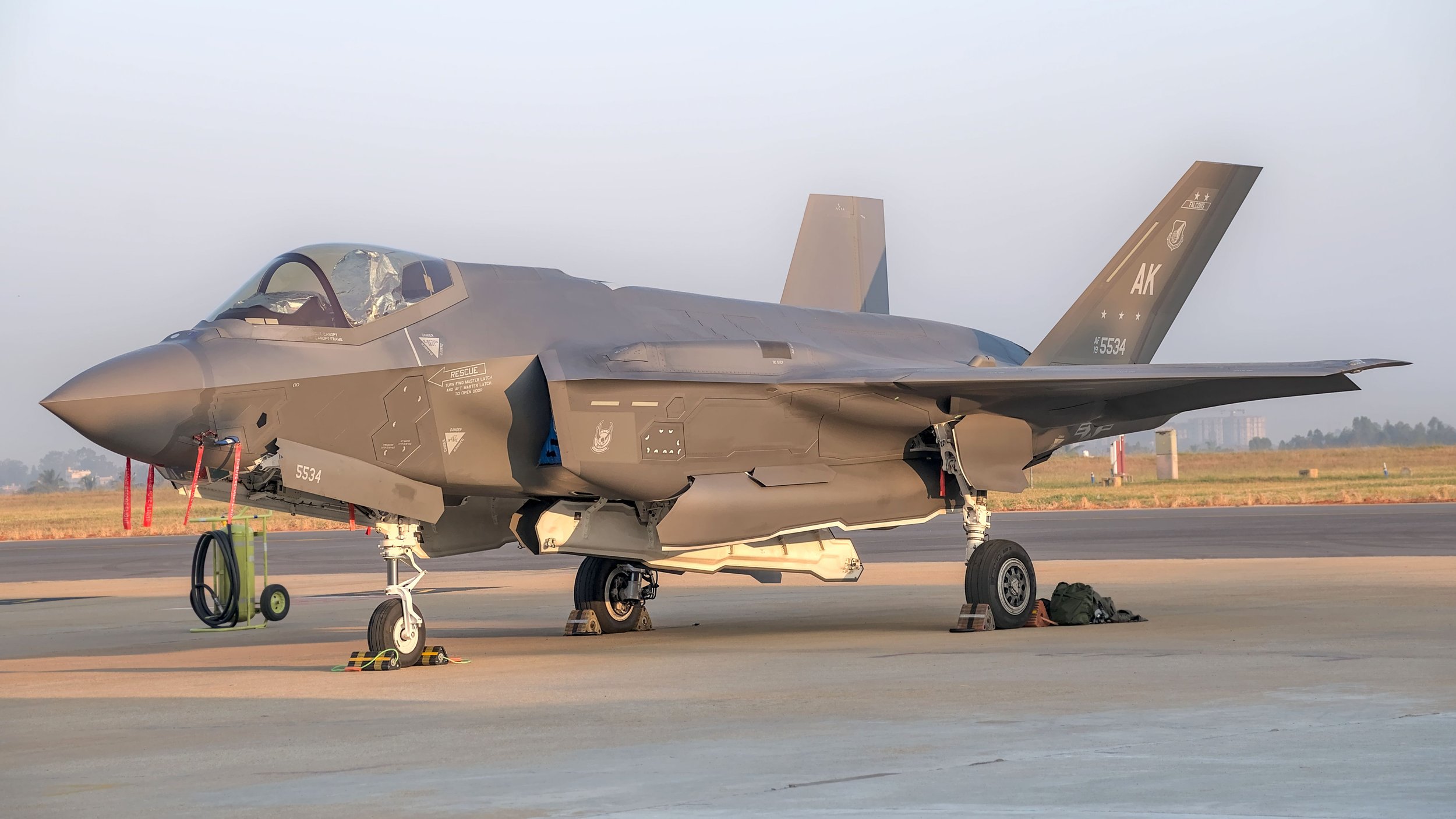
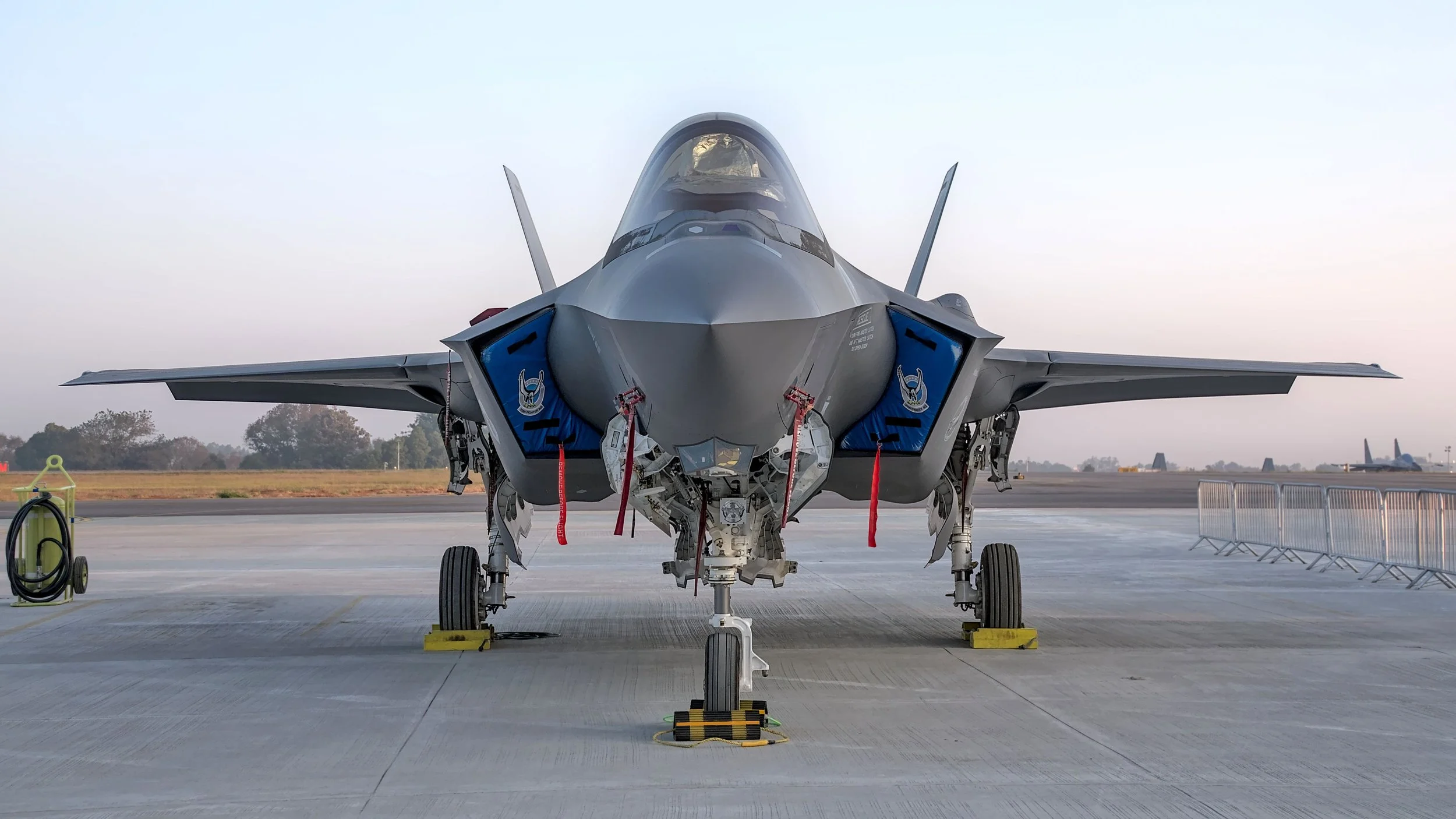
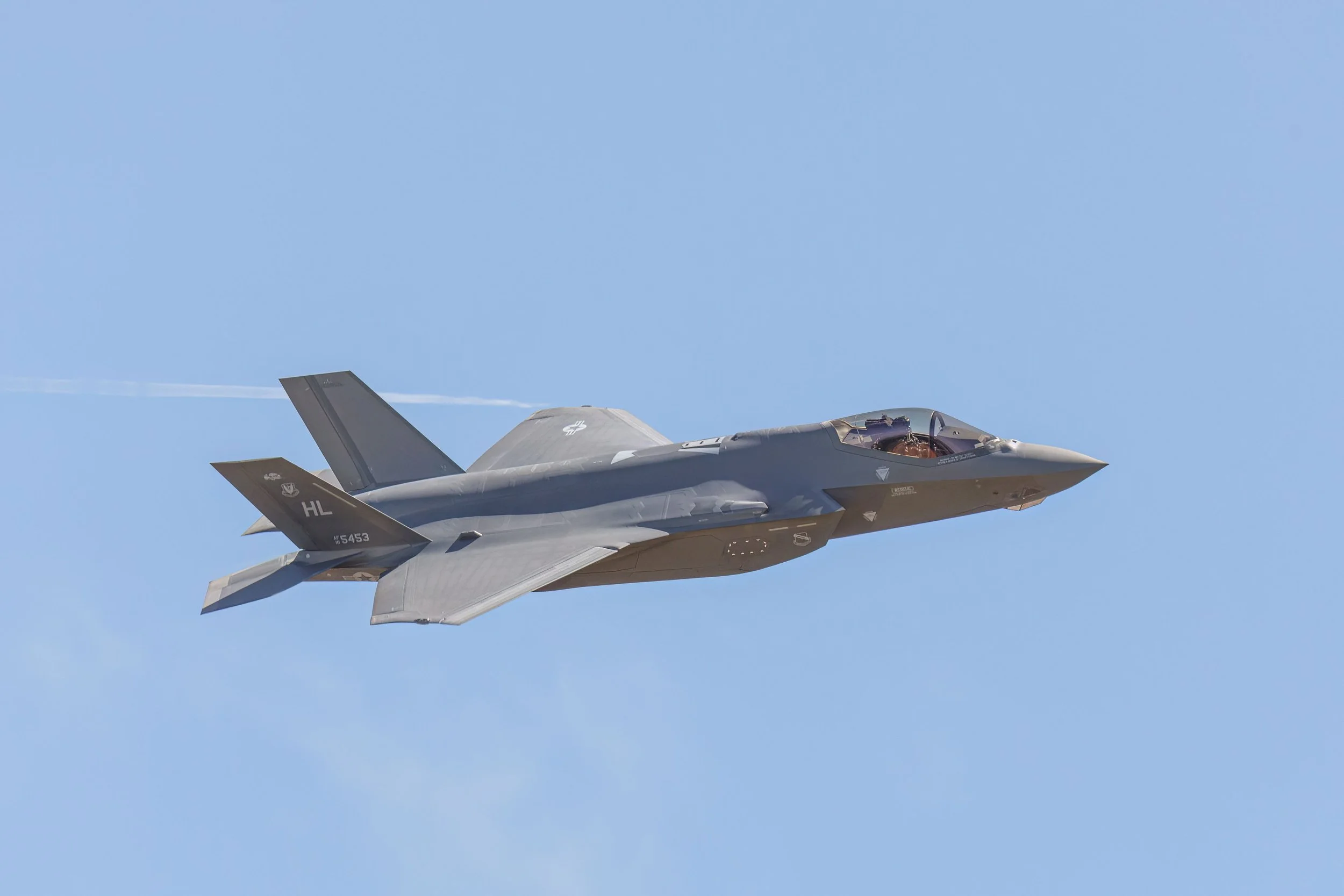
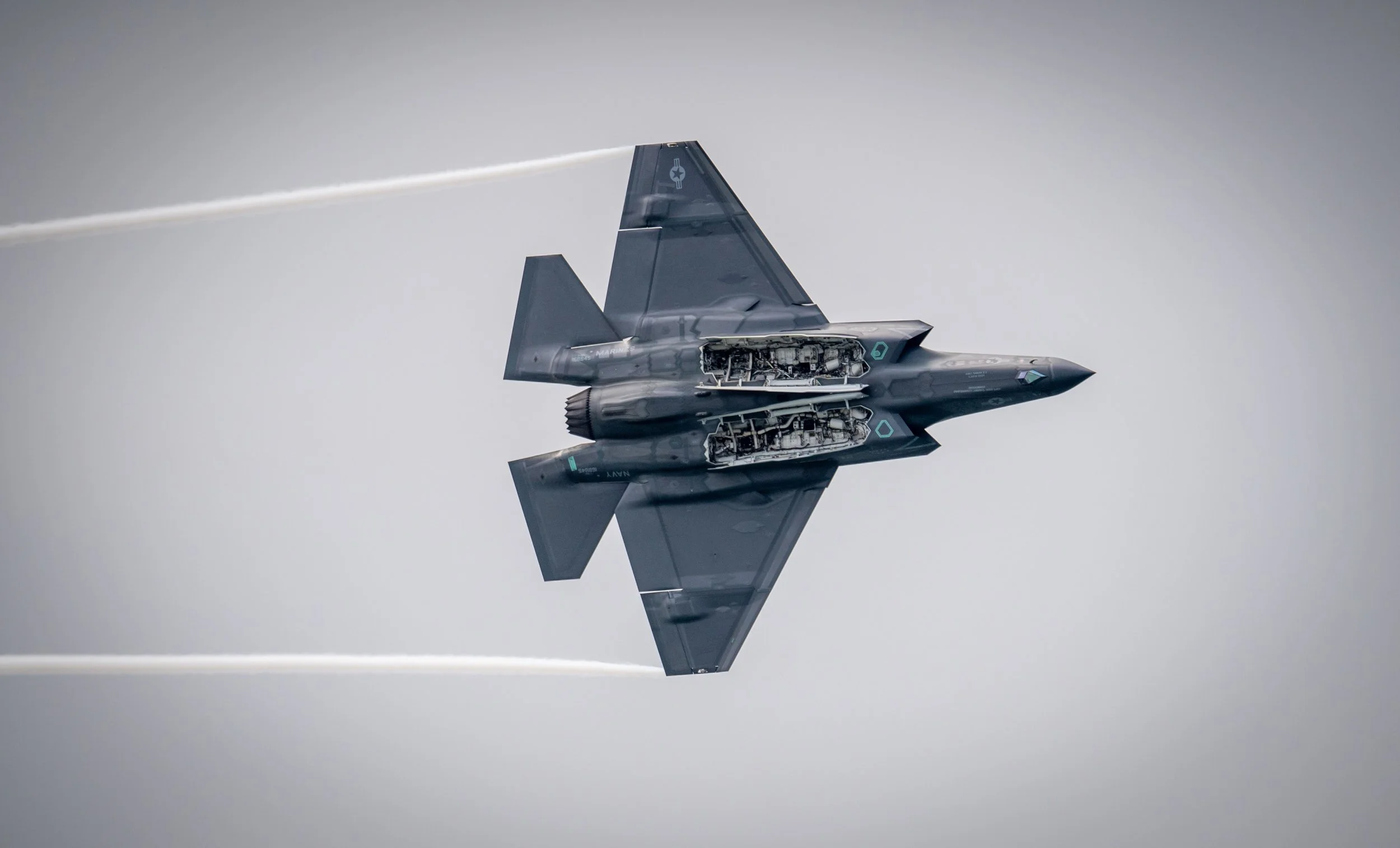
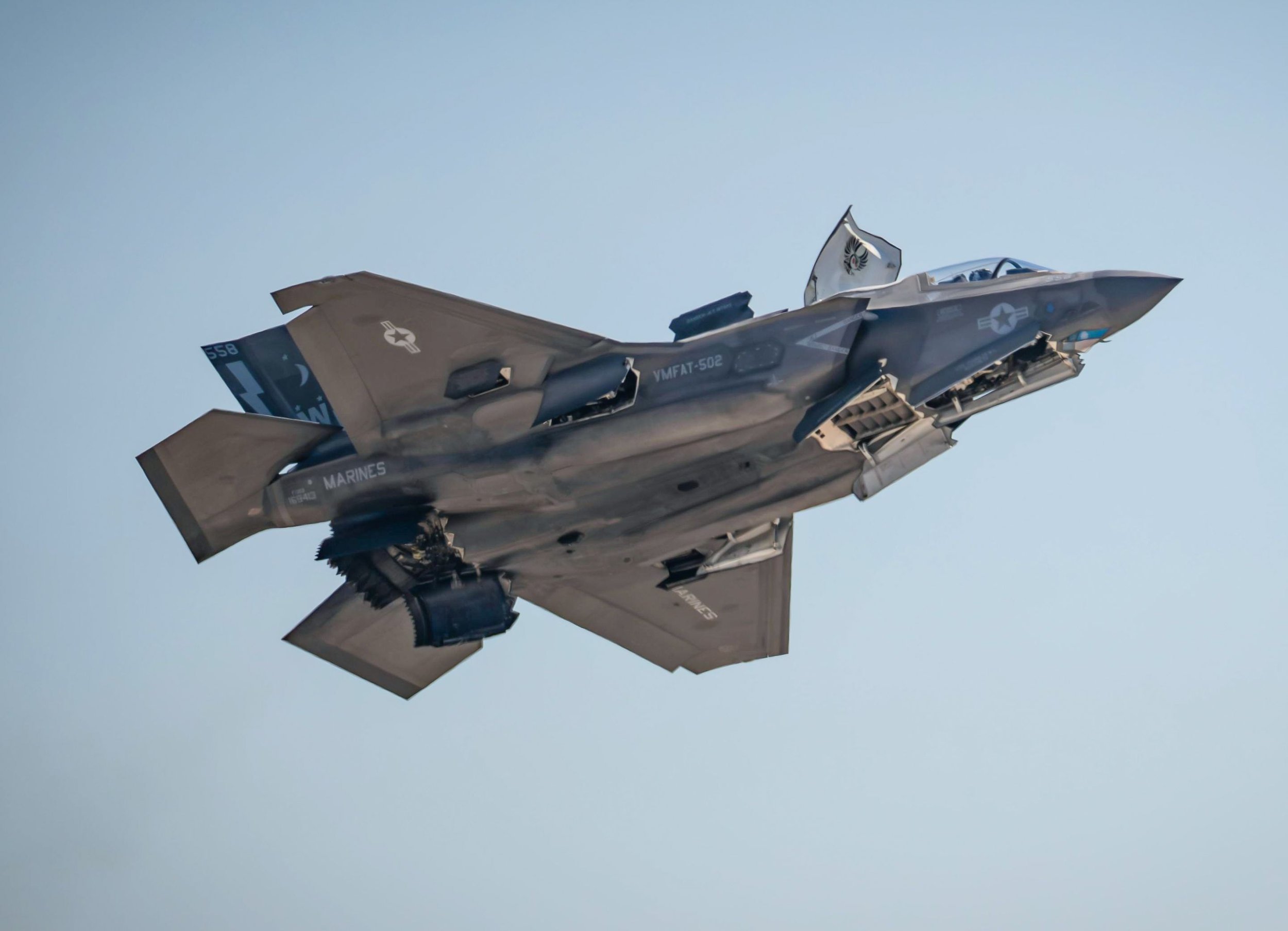
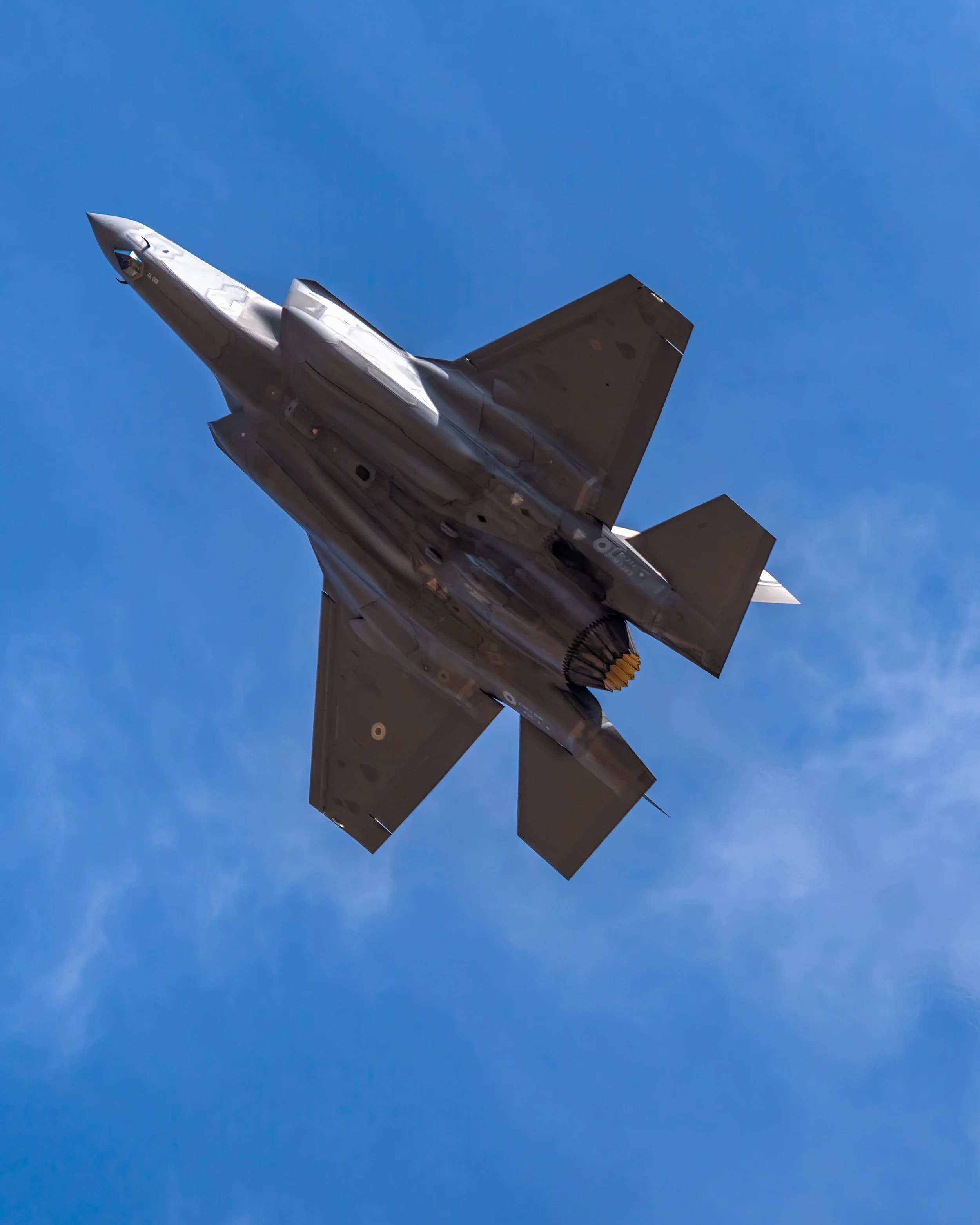
The F‑35 is the broader and commercially more consequential platform. It combines stealth with sensor fusion, electronic support capabilities and the ability to collect and distribute information across a joint force. The aircraft’s real contribution is therefore larger than its own weapons load: it can act as a forward sensor and decision-making node for other aircraft, ships and ground forces.
The F‑35’s weakness is the complexity accompanying that ambition. Sustainment costs, software development, upgrade schedules and fleet availability remain as important as aerodynamic performance.
Greatest advantage: The most mature combination of stealth, sensor fusion and networked warfare.
Main limitation: High sustainment demands and dependence on a complex global support and software ecosystem.
Price-to-added-value assessment: Expensive, but difficult to match when its complete intelligence, targeting and networking contribution is used—not merely its ability to carry weapons. The F‑35A is particularly strong value for states that can fully integrate into its support and information environment.
Europe: Rafale, Eurofighter Typhoon and Gripen E
Europe does not offer a single dominant fighter. It offers three different answers to three different operational problems.
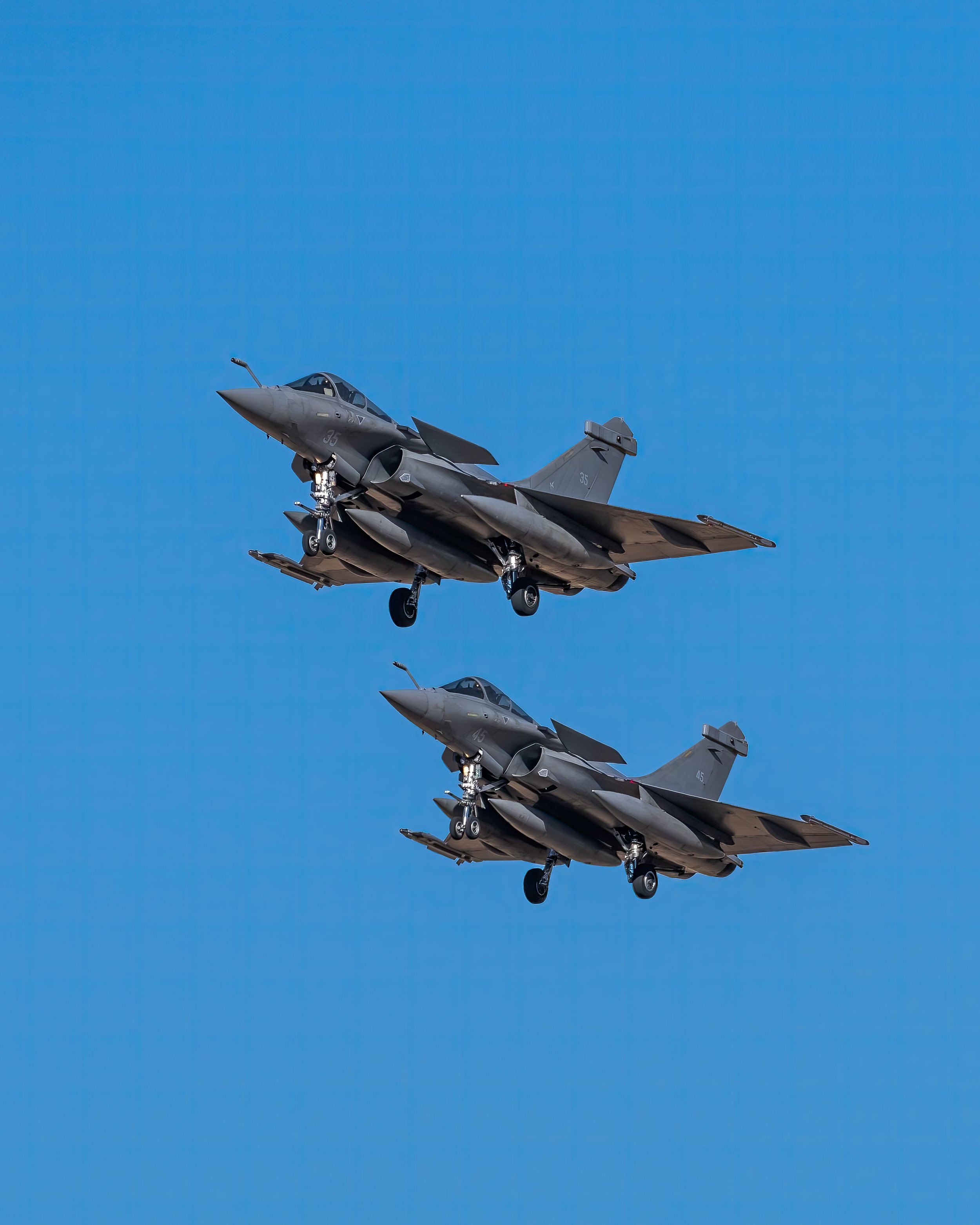
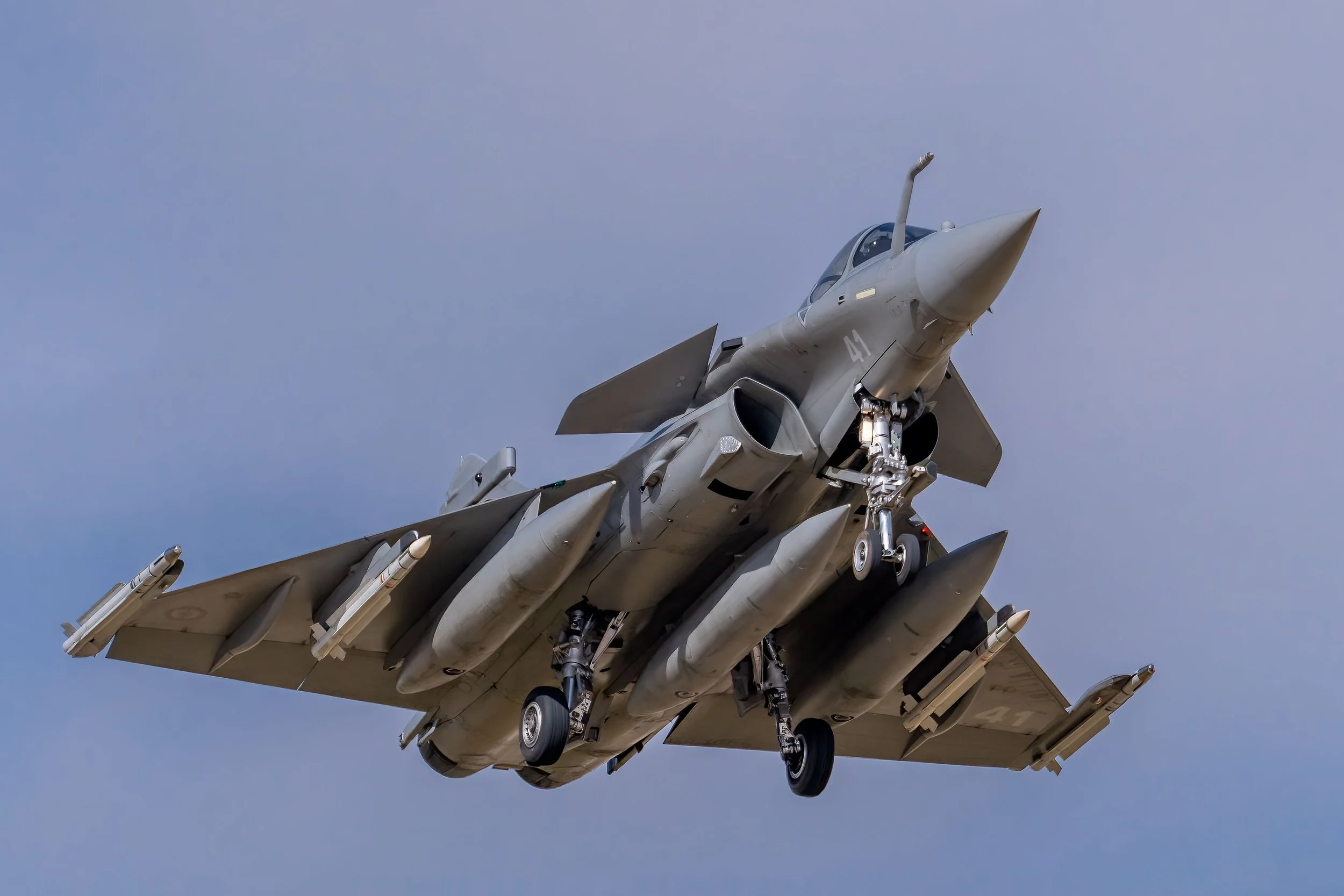
Dassault’s Rafale is arguably the most balanced. It was designed as an omnirole aircraft able to conduct air defence, deep strike, reconnaissance, maritime attack and nuclear-deterrence missions. Its SPECTRA electronic-warfare system, wide weapons portfolio and proven ability to operate from land bases and aircraft carriers give it unusual breadth.
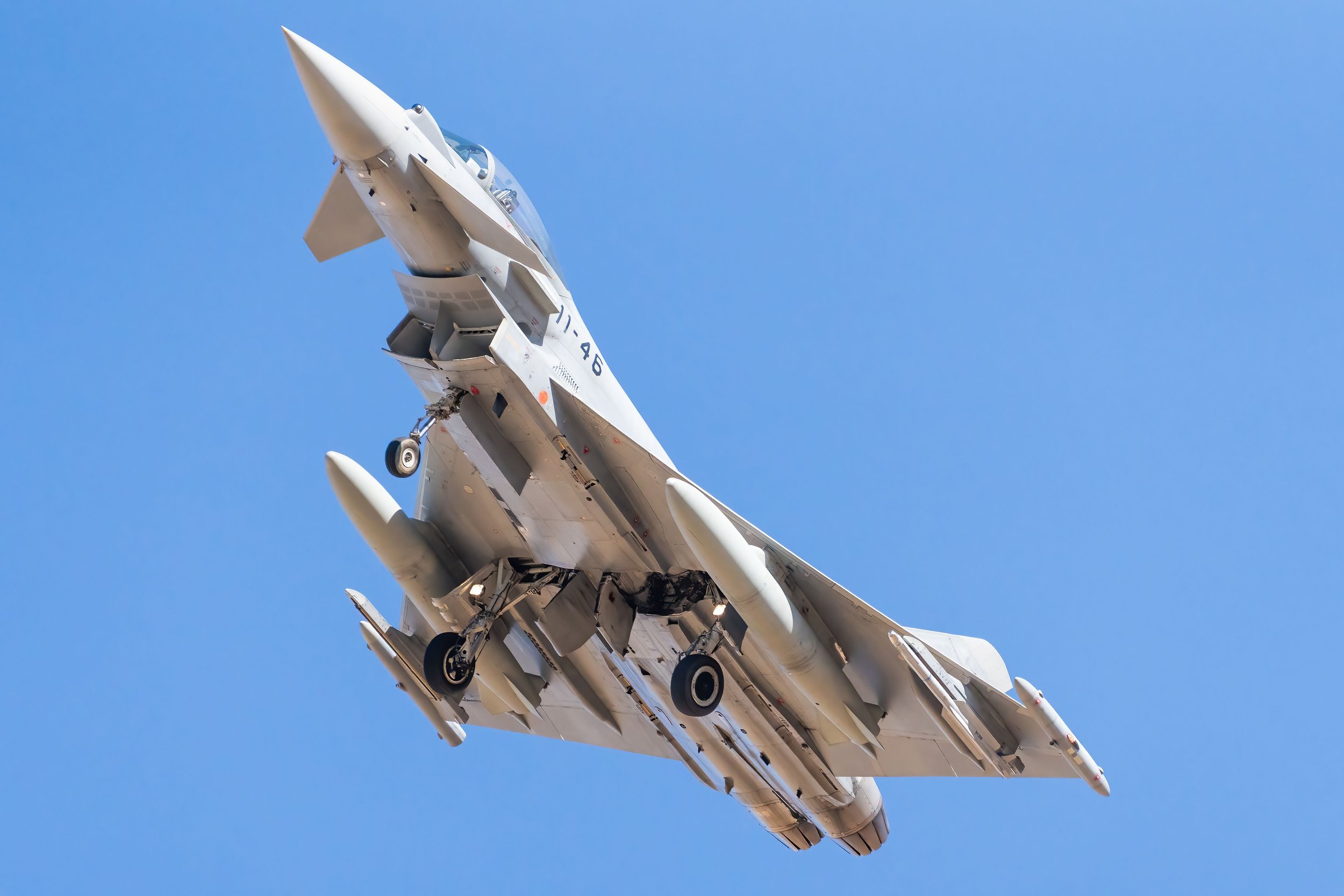
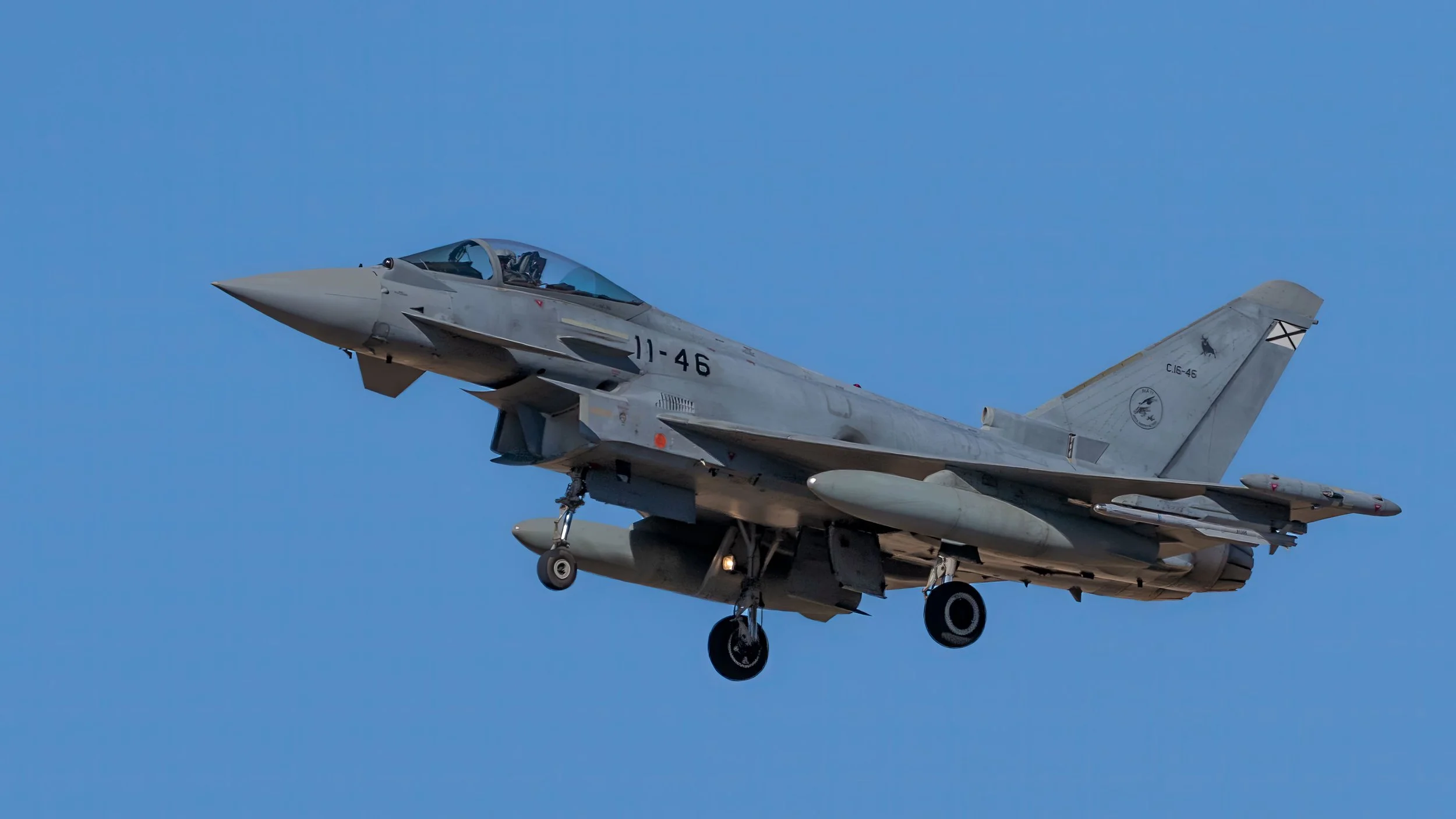
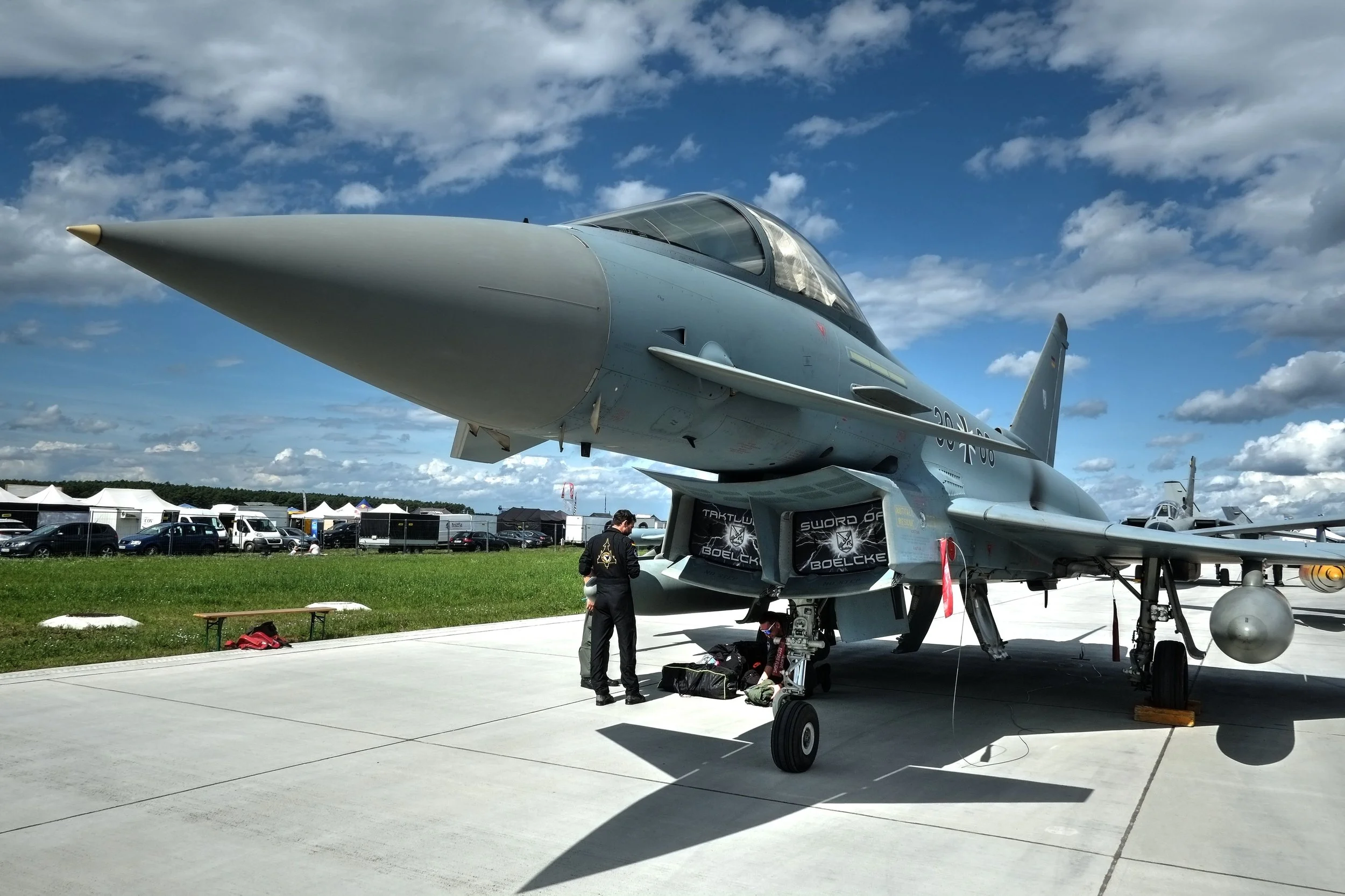
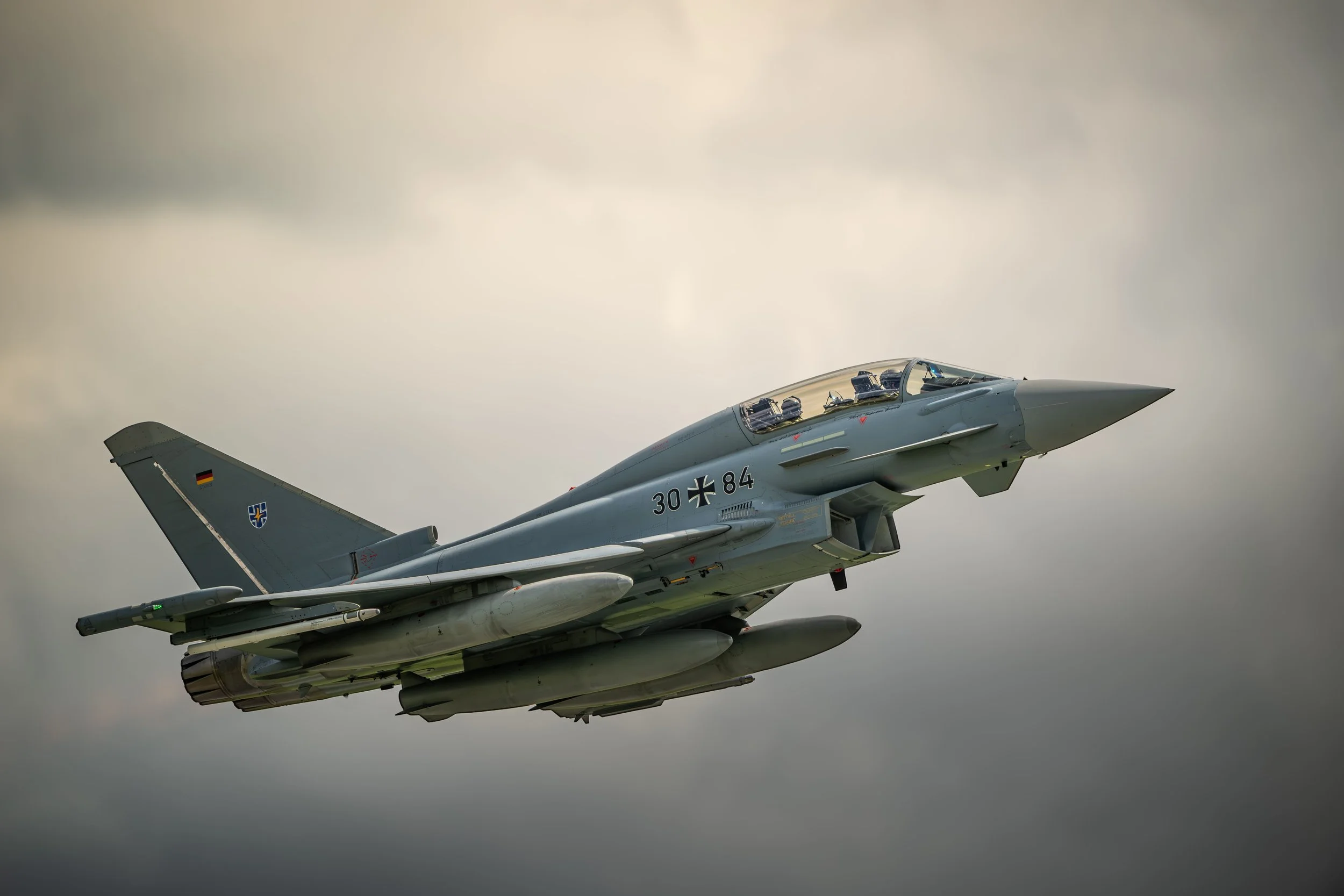
The Eurofighter Typhoon places greater emphasis on air-to-air performance. Its speed, altitude, acceleration and large weapons payload make it particularly valuable for air policing, interception and beyond-visual-range combat. Continuing radar, electronic-warfare and weapons upgrades have also turned it into an increasingly capable strike platform.
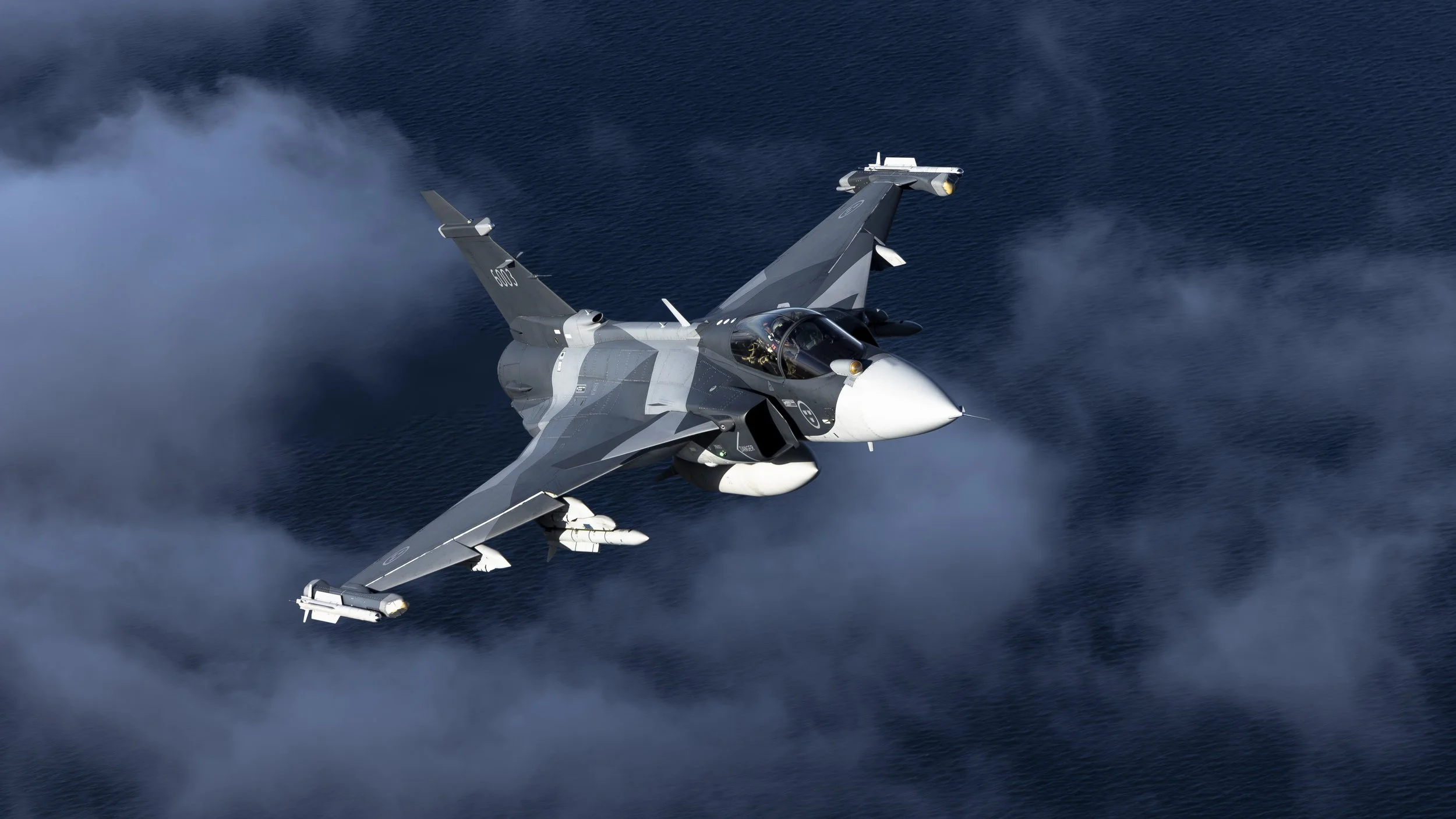
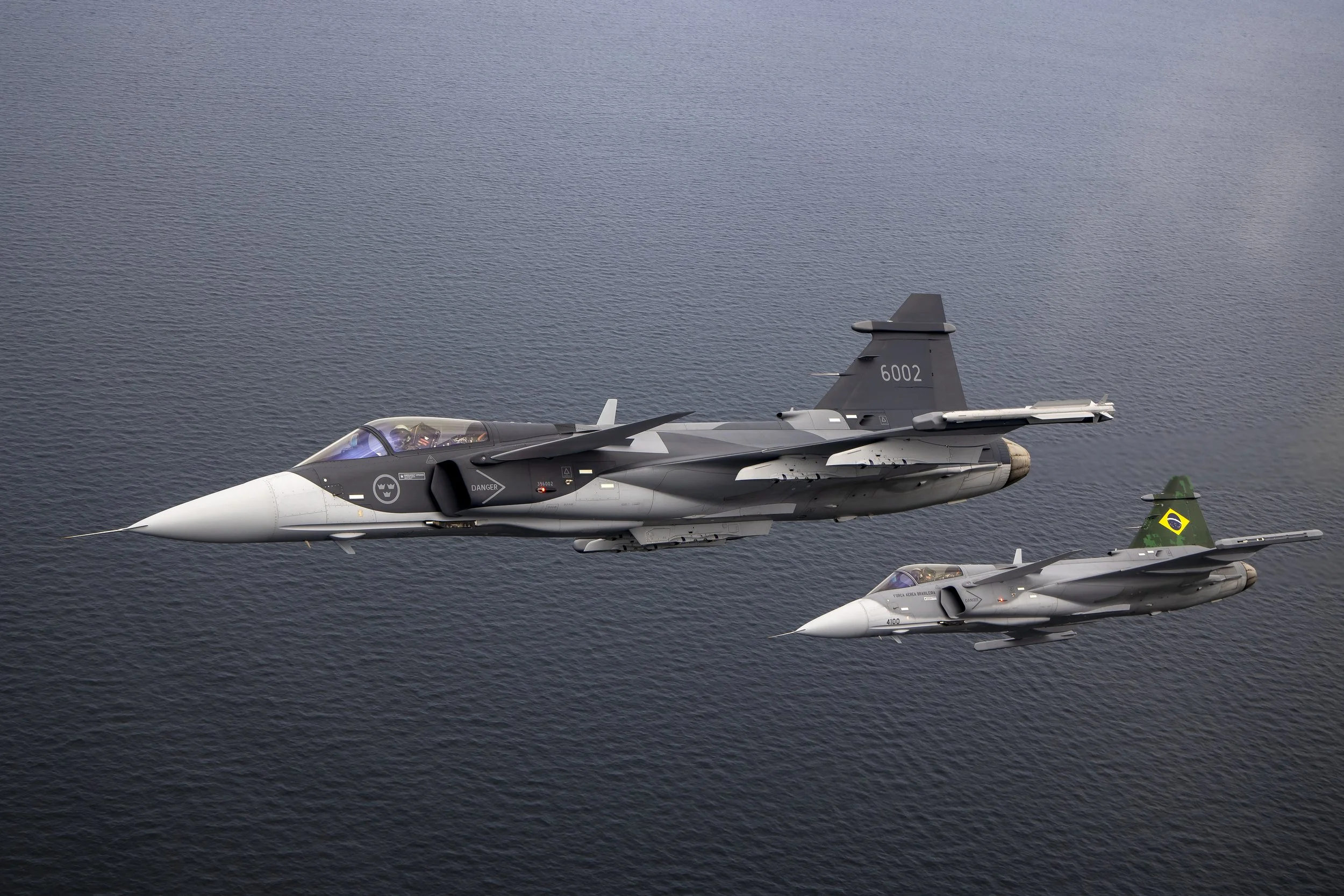
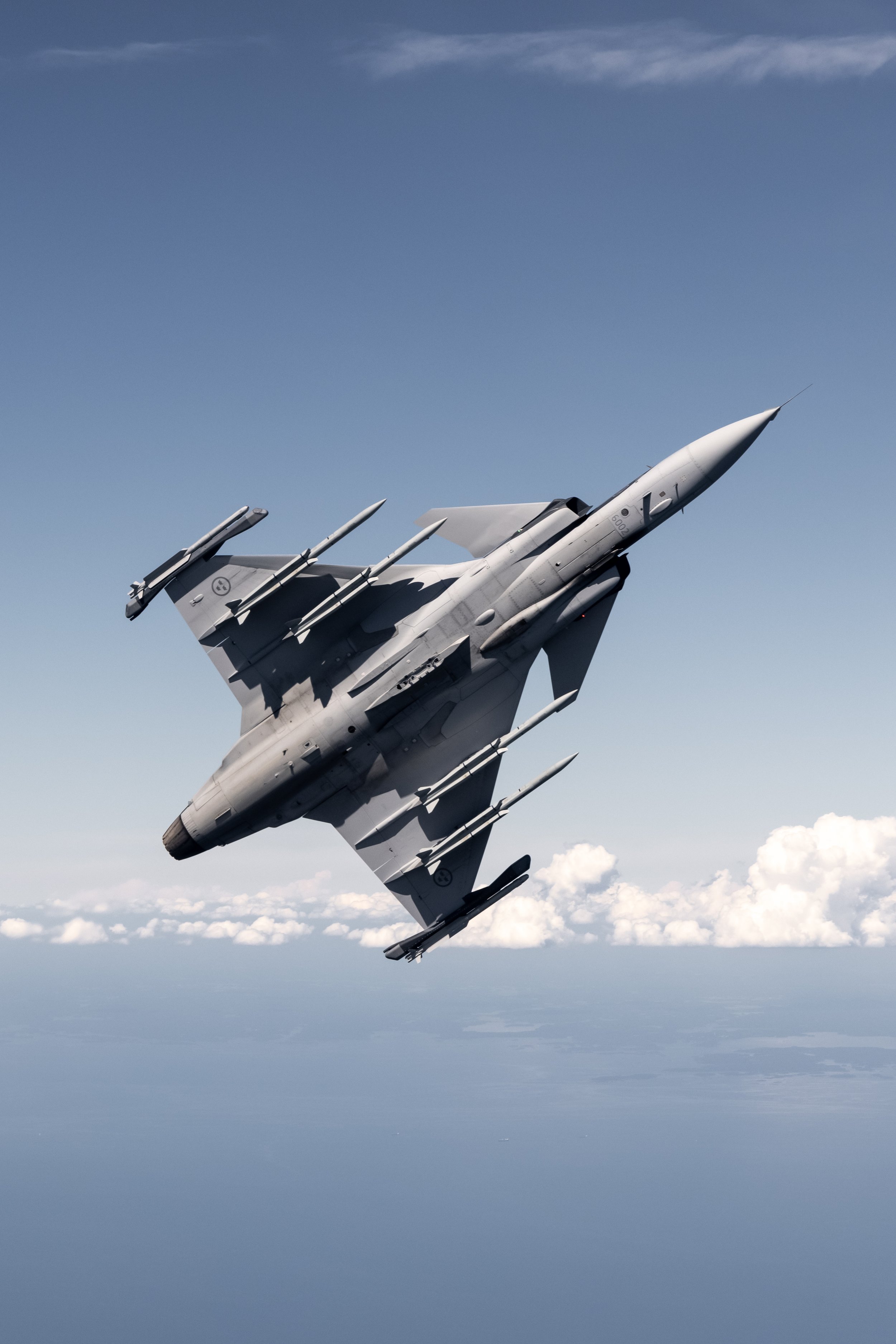
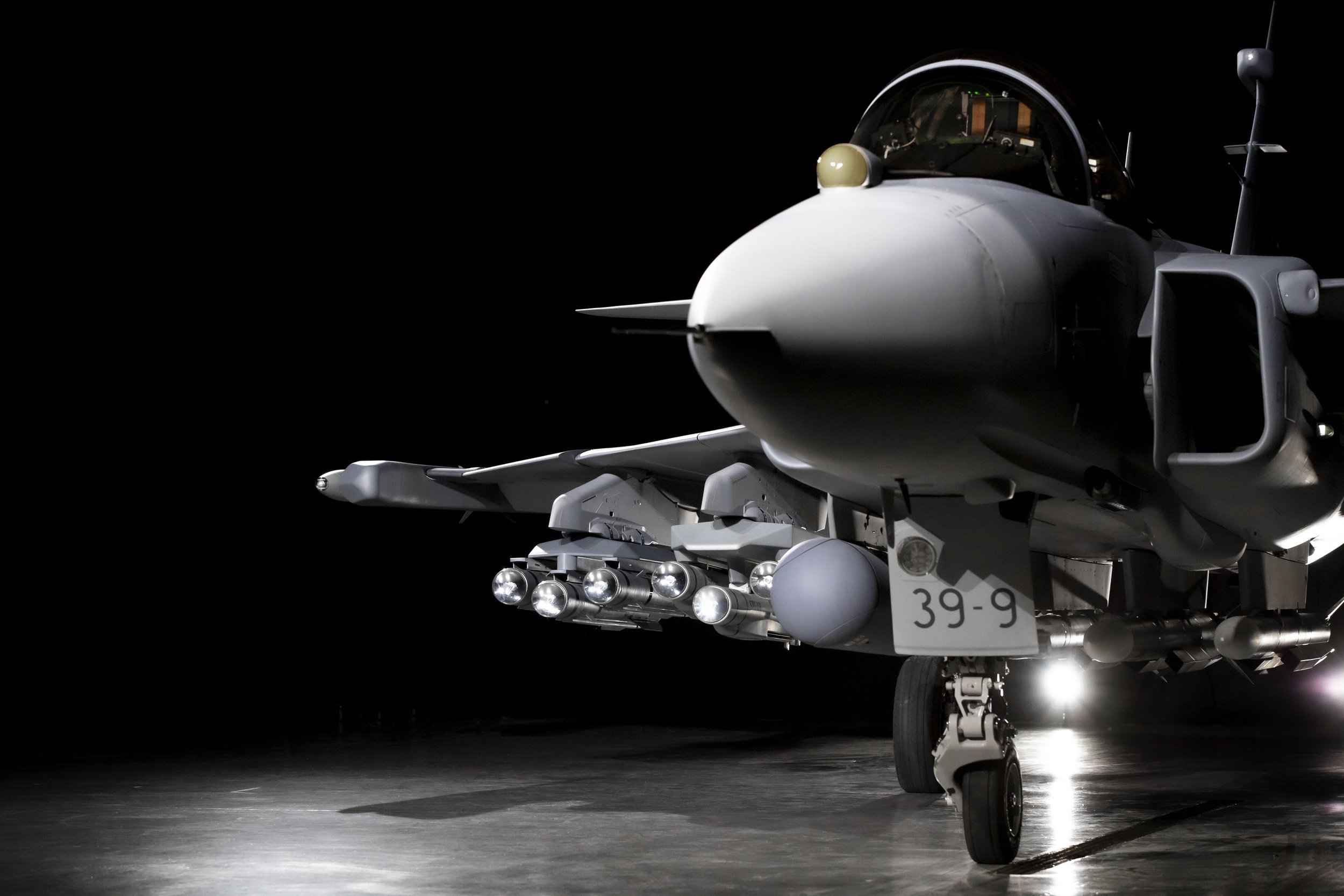
Gripen E follows a different philosophy. It is lighter and less stealthy, but built for rapid turnaround, dispersed operations and reduced support requirements. Saab states that it can operate from road bases and be refuelled and rearmed for an air-to-air mission in around 15 minutes with a small ground crew. In a conflict where permanent airbases are vulnerable, that is a combat capability—not merely a logistical convenience.
Greatest advantage: Rafale offers mission versatility and sovereign weapons integration; Typhoon provides exceptional air-to-air performance; Gripen E delivers resilience and high capability with a comparatively lean operating footprint.
Main limitation: None combines fifth-generation stealth with the scale and multinational user ecosystem of the F‑35.
Price-to-added-value assessment: Gripen E may offer the strongest operational-efficiency proposition. Rafale provides high value to states prioritising strategic autonomy and multirole flexibility. Typhoon is most compelling where high-end air defence is the central requirement.
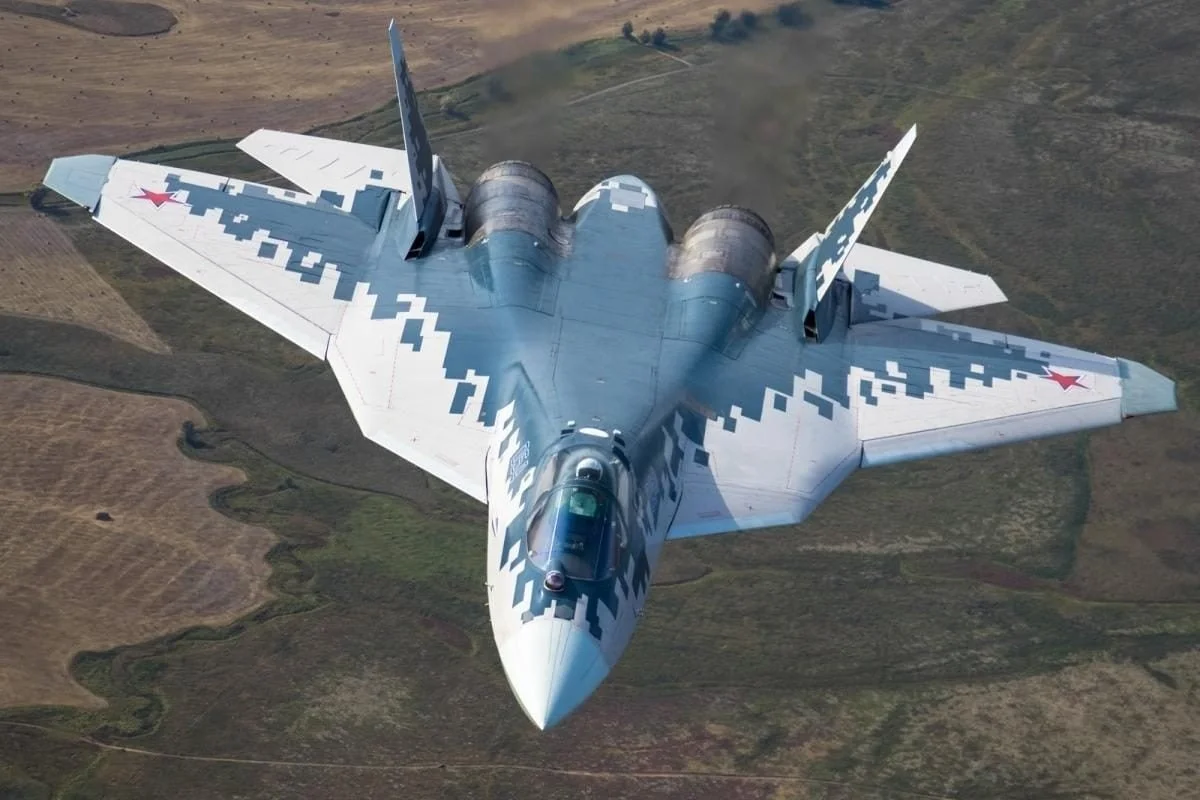
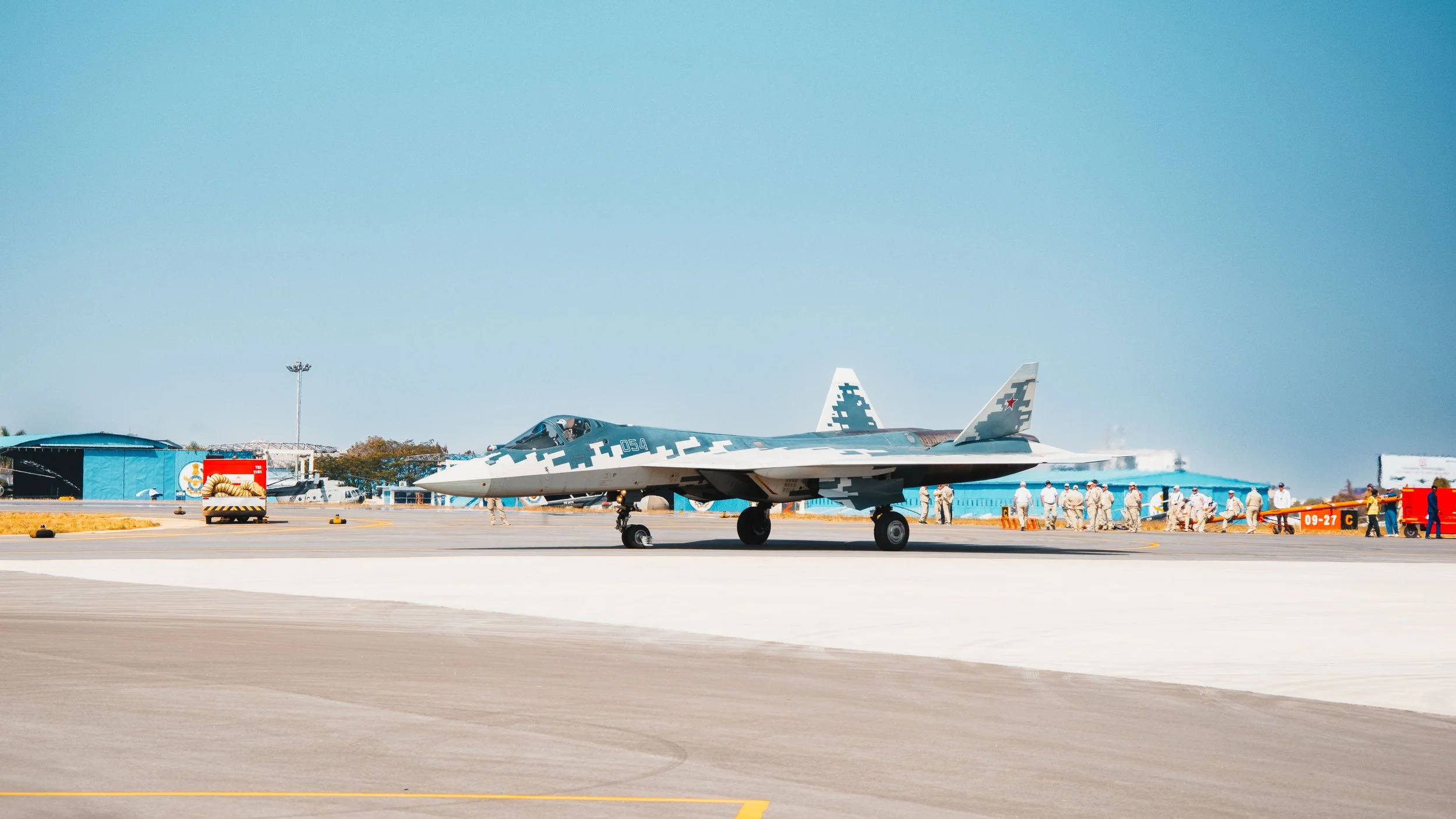
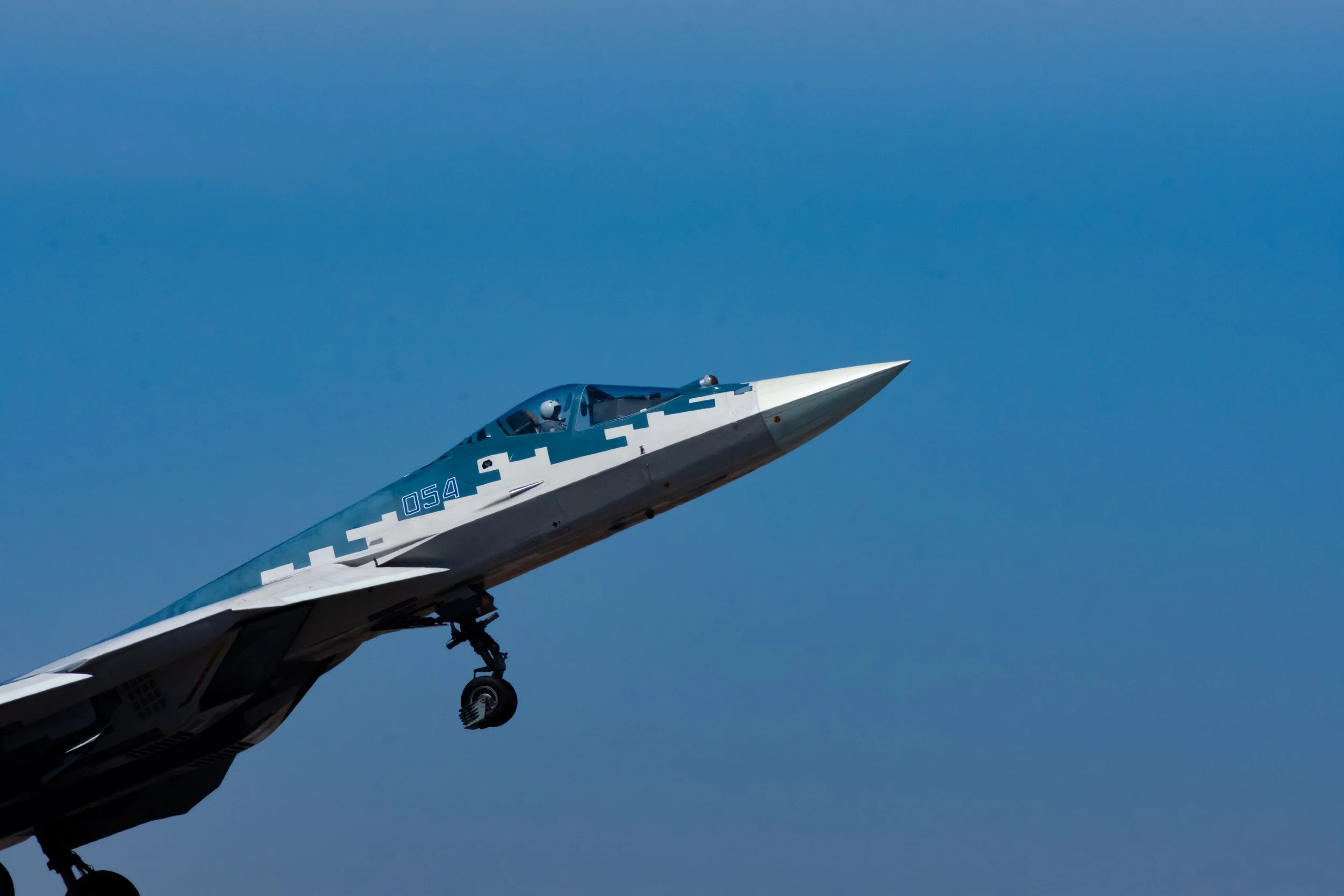
Russia: Su‑57 and Su‑35S
Russia’s most advanced operational fighter is the Su‑57, but the Su‑35S remains highly relevant because it is available in greater numbers and represents a more mature operational system.
The Su‑57 combines reduced observability with high aerodynamic performance, internal weapons carriage and a distributed sensor concept. Its design reflects Russia’s traditional emphasis on speed, manoeuvrability and access to a broad range of air-to-air and air-to-surface weapons. It should not be dismissed simply because its stealth philosophy differs from that of the F‑22 or F‑35.
At the same time, public information does not establish that the Su‑57 has achieved the production scale, signature reduction, sensor fusion or fleet maturity of the leading US fifth-generation platforms. Its actual availability matters more than its theoretical specifications.
The Su‑35S lacks stealth, but offers long range, strong kinematic performance, a powerful radar and a substantial weapons load. In less heavily contested environments—or when supported by ground-based sensors and long-range missiles—it remains dangerous.
Russia is also developing the lighter, single-engine Su‑75 Checkmate. For now, however, it should be treated as an industrial and export proposition rather than an available combat capability.
Greatest advantage: Strong kinematic performance, range and access to diverse long-range weapons.
Main limitation: Limited transparency, relatively small Su‑57 numbers and uncertainty surrounding production capacity, mission-system maturity and long-term support.
Price-to-added-value assessment: Potentially attractive where Russian weapons and support infrastructure already exist, but sanctions, supply-chain exposure and sustainment risk are now inseparable from the purchase price.
China: J‑20 as a system-level challenge
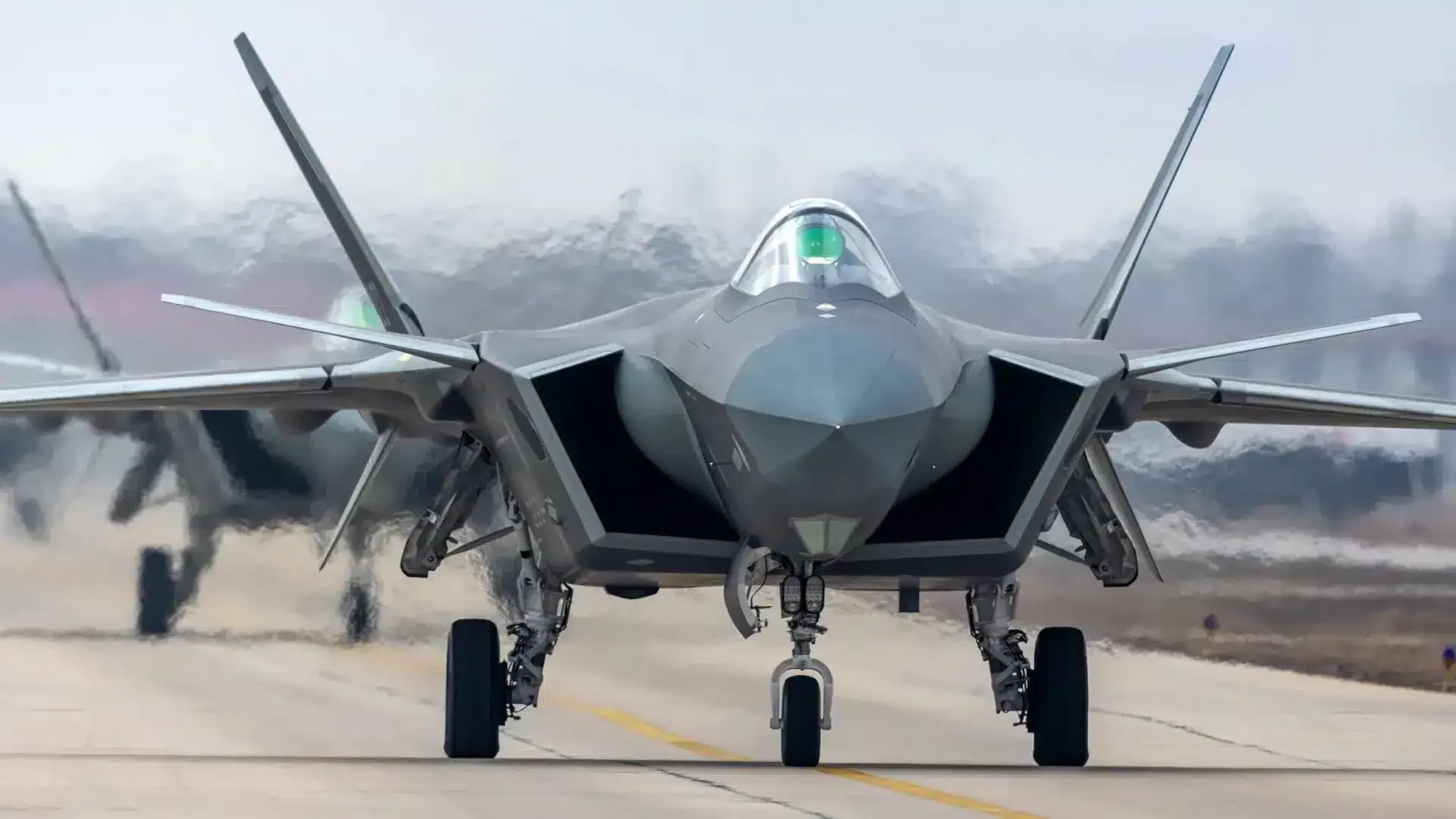
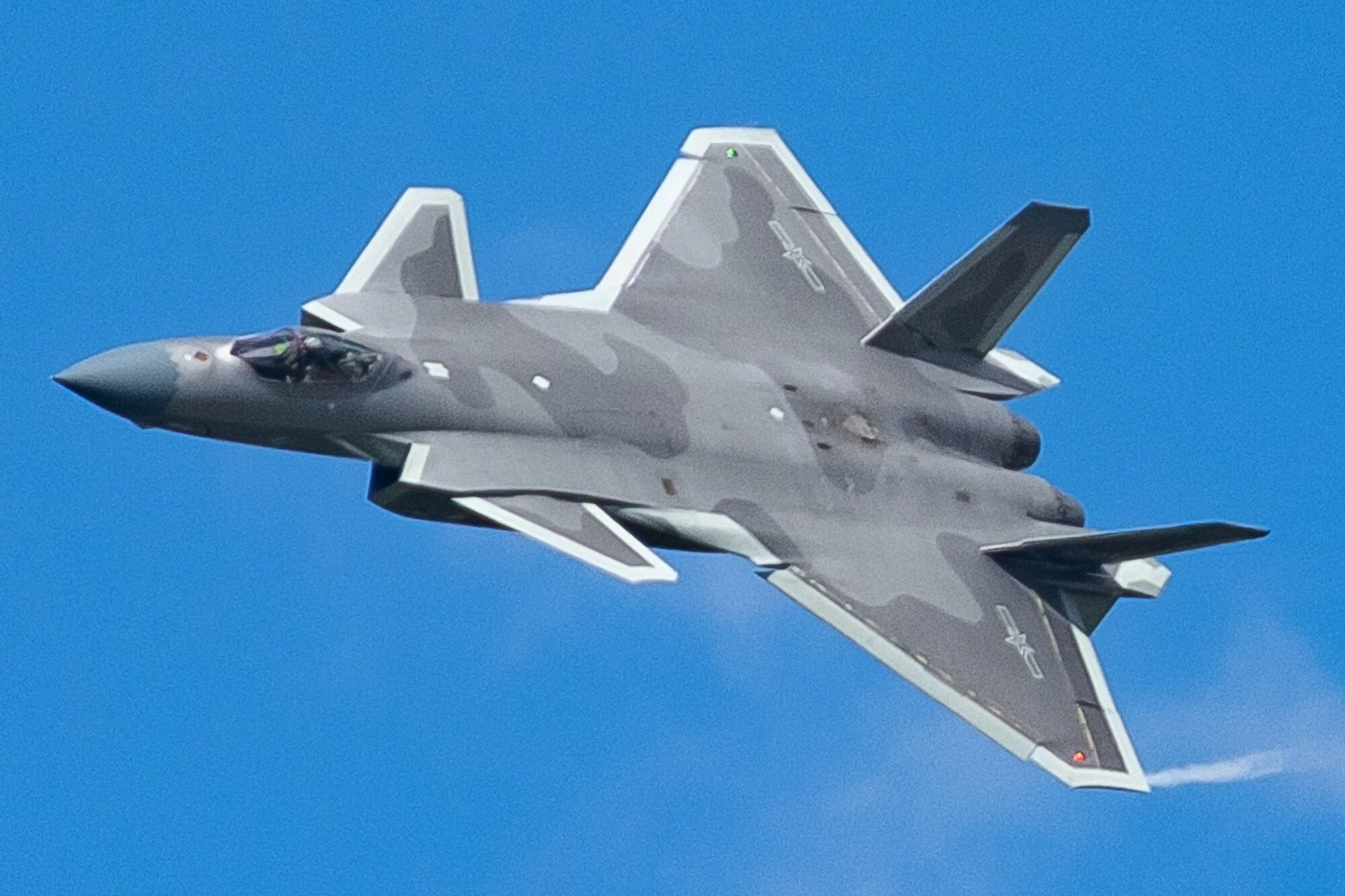
The Chengdu J‑20 is China’s leading operational fighter and the most strategically significant non-American fifth-generation aircraft.
Its large airframe combines low observability with substantial internal fuel capacity and long-range weapons carriage. This makes it particularly relevant in the vast Indo-Pacific theatre, where combat radius and the ability to threaten tankers, airborne early-warning aircraft and other high-value support assets may matter more than close-range manoeuvrability.
China’s advantage is not confined to the aircraft. The J‑20 is emerging within a broader system of airborne warning, ground-based sensors, long-range missiles, satellites and increasingly capable data links. Its growing production scale may ultimately be as important as the performance of an individual airframe.
The J‑20A and two-seat J‑20S indicate that the platform continues to evolve. The J‑20S may eventually support more complex command, electronic-warfare or uncrewed-aircraft teaming roles, although its full operational status and mission set remain difficult to verify independently.
Greatest advantage: The combination of stealth, range, long-range weapons and increasing fleet size.
Main limitation: Limited independent evidence concerning signatures, sensor performance, networking quality and combat effectiveness.
Price-to-added-value assessment: Impossible to calculate reliably from public data, but likely highly favourable for China because the aircraft supports national requirements without foreign political or supply-chain dependence.
India: Rafale capability, Su‑30MKI mass and Tejas sovereignty
India’s strongest combat-air capability does not come from one aircraft. It comes from the complementary roles of the Rafale and Su‑30MKI.
Rafale provides the more modern integrated package: advanced electronic warfare, precision weapons, long-range air-to-air capability and high mission flexibility. The Su‑30MKI contributes range, payload, numbers and the ability to carry weapons such as the air-launched BrahMos cruise missile.
The domestically produced Tejas is less capable in absolute terms than either, but strategically important. The Mk1A introduces an active electronically scanned array radar, improved electronic warfare and modernised avionics. Its value lies in replacing ageing aircraft while building India’s design, manufacturing and support base.
India’s future objective is the Advanced Medium Combat Aircraft, or AMCA. It is intended to introduce indigenous stealth, internal weapons carriage and advanced sensor fusion, but remains a development programme rather than a current answer to India’s fifth-generation requirement.
Greatest advantage: A diverse force combining Rafale’s sophistication, Su‑30MKI range and payload, and Tejas’s industrial value.
Main limitation: Fleet fragmentation, different supply chains and slow domestic programme execution complicate availability and standardisation.
Price-to-added-value assessment: Tejas has potentially strong national value even if it does not equal heavier foreign fighters, because expenditure also develops Indian industrial capacity. Rafale delivers premium capability at premium cost; the Su‑30MKI remains valuable but creates a substantial sustainment burden.
Israel: F‑35I Adir and the value of sovereign integration
Israel’s leading fighter is the F‑35I Adir, but its distinction lies in what Israel has built around the airframe.
The aircraft retains the F‑35’s fundamental strengths—stealth, sensor fusion and networked situational awareness—while allowing Israel to integrate national communications, electronic-warfare elements, weapons and mission-specific modifications. Israel also operates the aircraft within an unusually mature intelligence, command-and-control and operational-planning system.
This makes the Adir less a separate fighter design than a nationally tailored combat ecosystem. Its value is amplified by Israel’s capacity to generate intelligence, adapt software and weapons, and turn operational experience into new configurations.
Greatest advantage: Fifth-generation penetration capability combined with sovereign adaptation and rapid operational learning.
Main limitation: High cost and continued dependence on the US-controlled F‑35 airframe, engine and core support architecture.
Price-to-added-value assessment: Very high for Israel because the aircraft is integrated into a national intelligence and weapons ecosystem capable of exploiting its full potential. The same platform would not necessarily create equal value for every operator.
Türkiye: F‑16 today, KAAN tomorrow
Türkiye’s current combat strength still rests primarily on the F‑16. Domestic ÖZGÜR modernisation, locally developed avionics, radar, electronic warfare and weapons are intended to reduce foreign dependence and extend the fleet’s relevance.
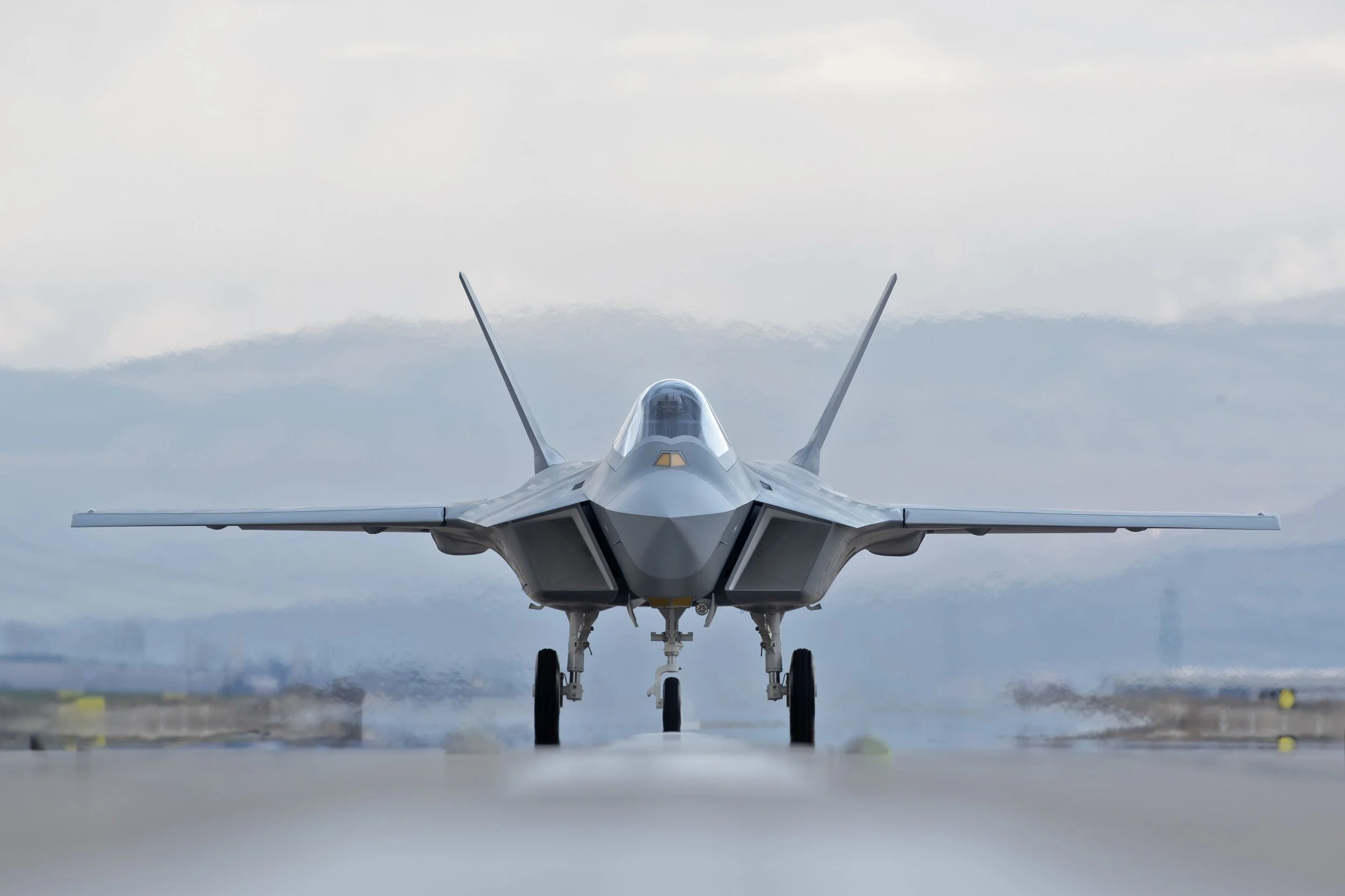
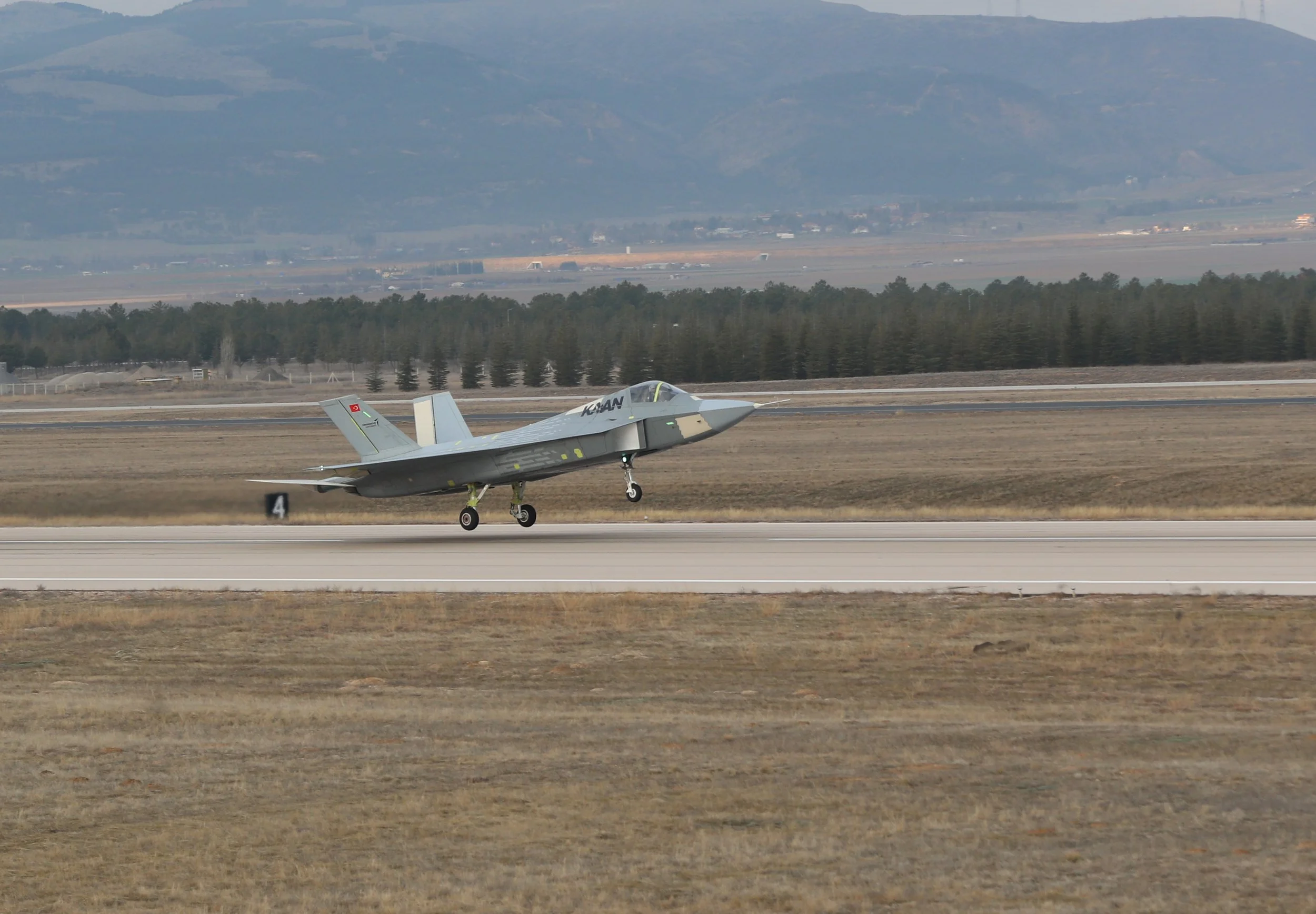
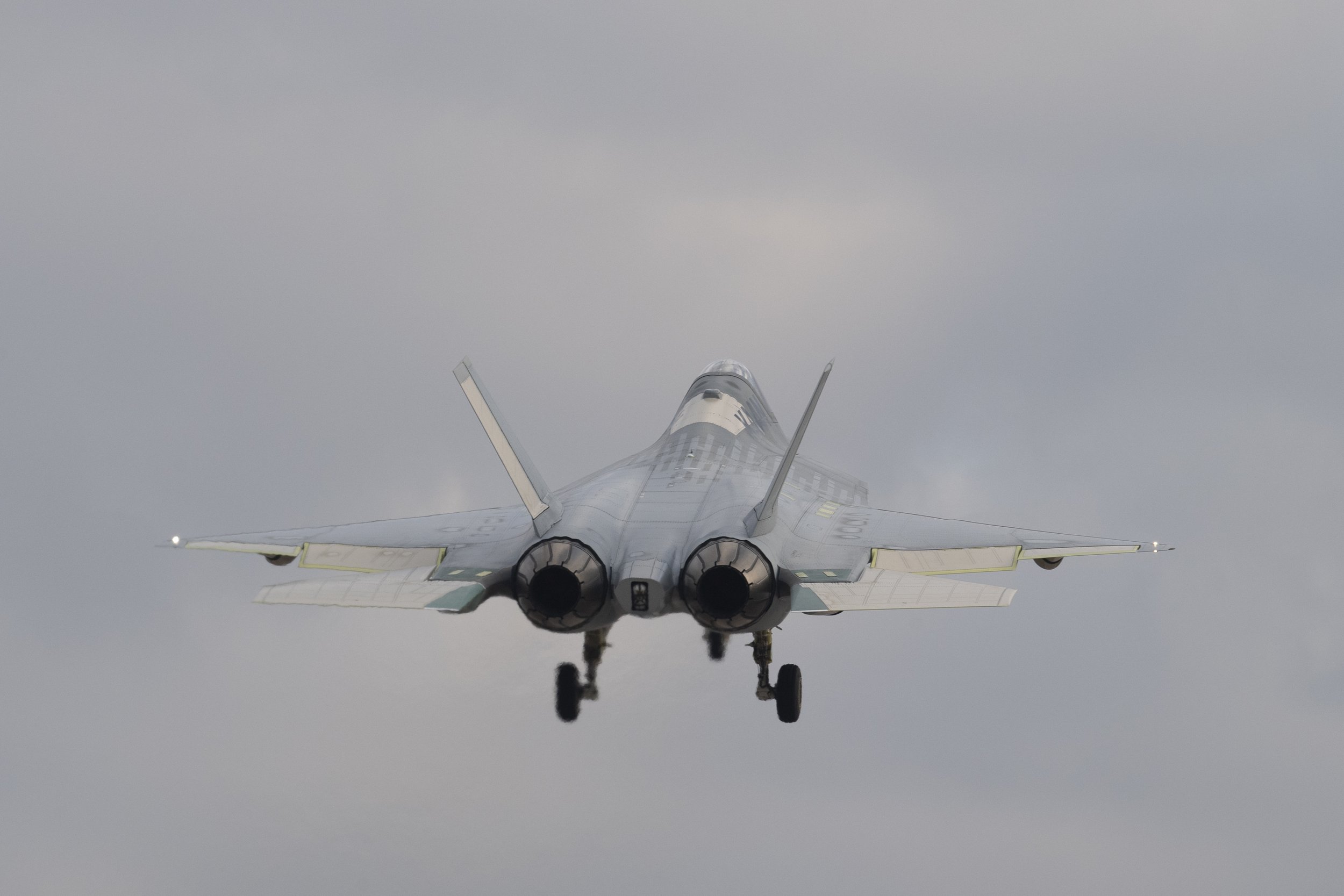
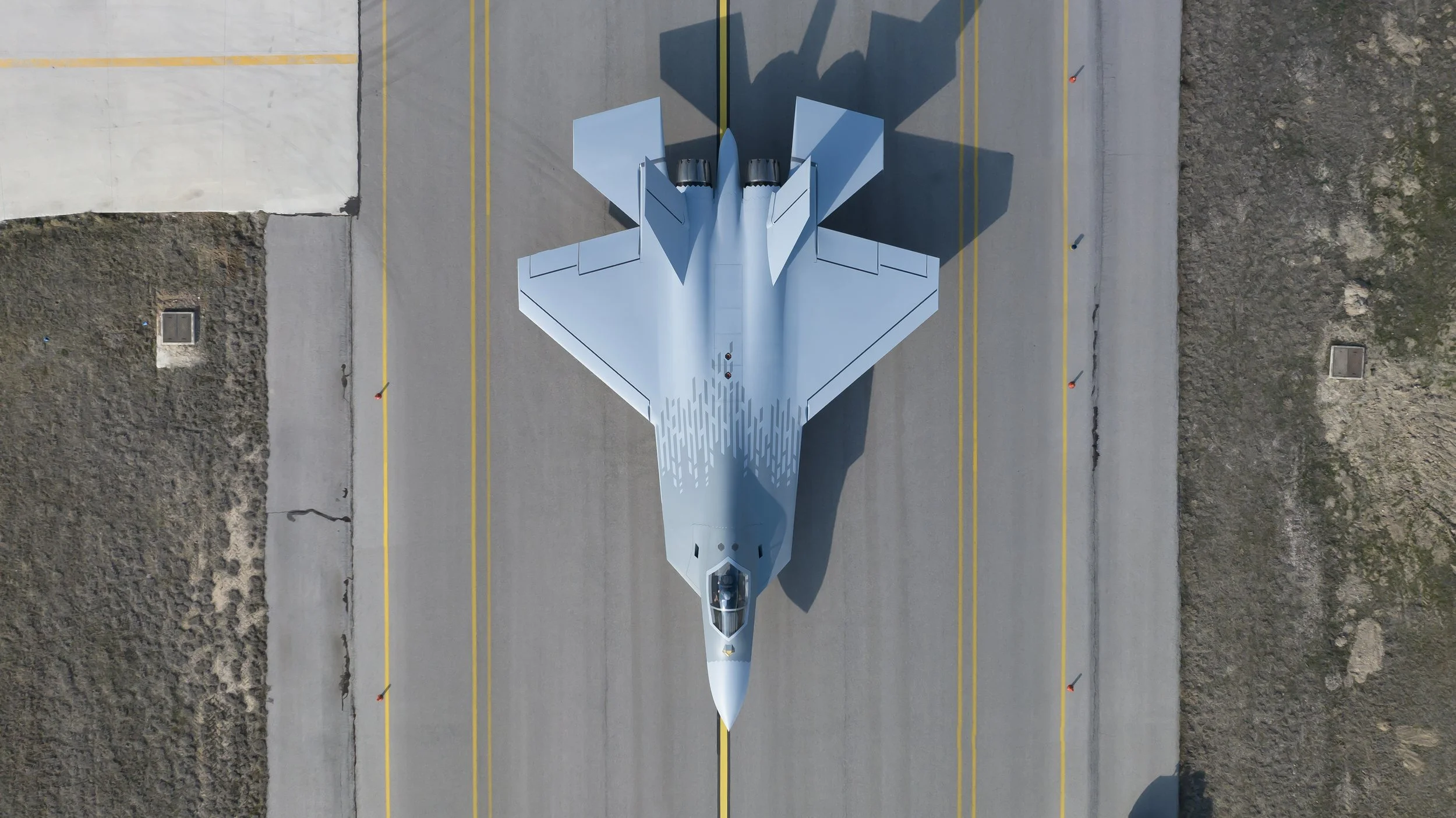
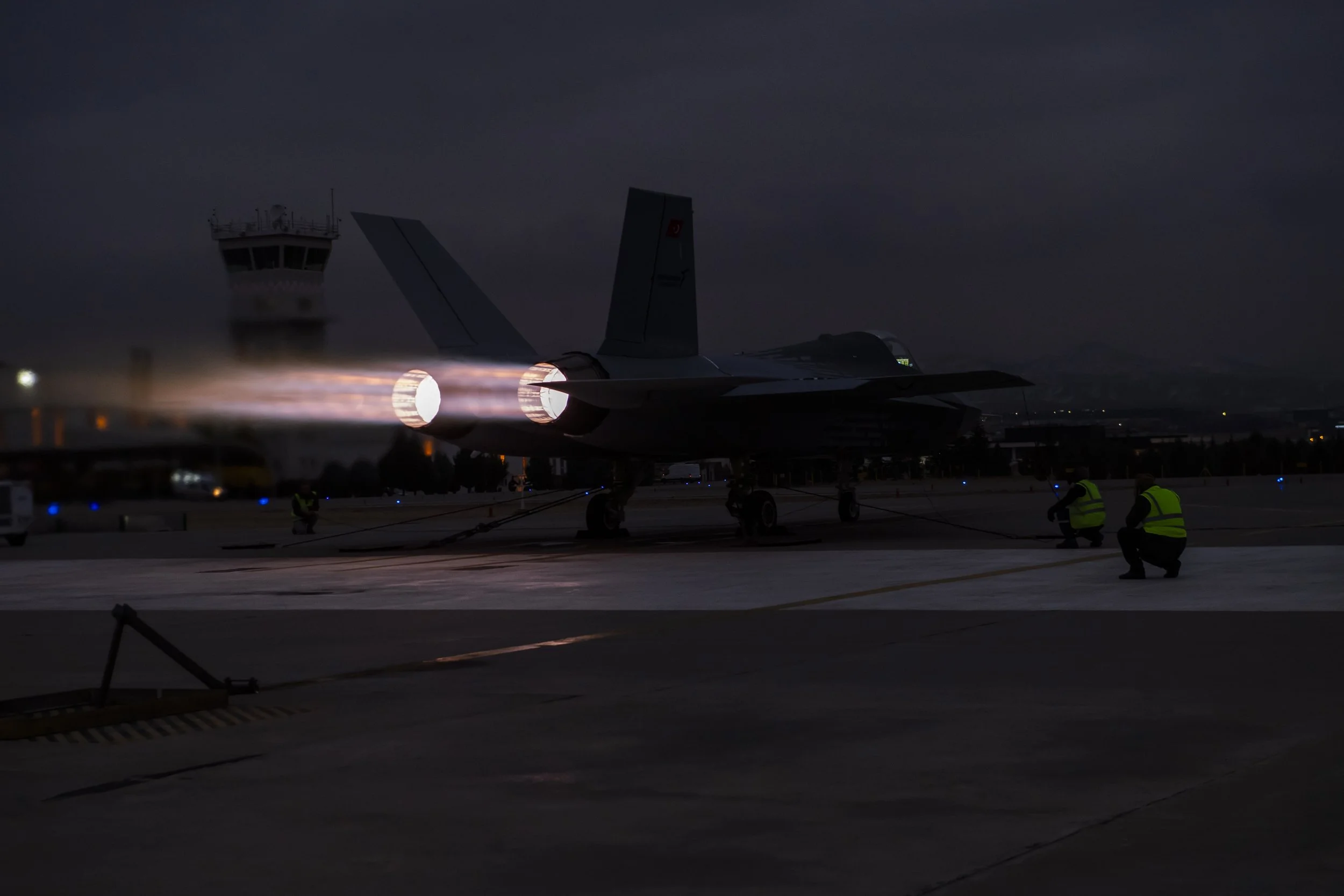
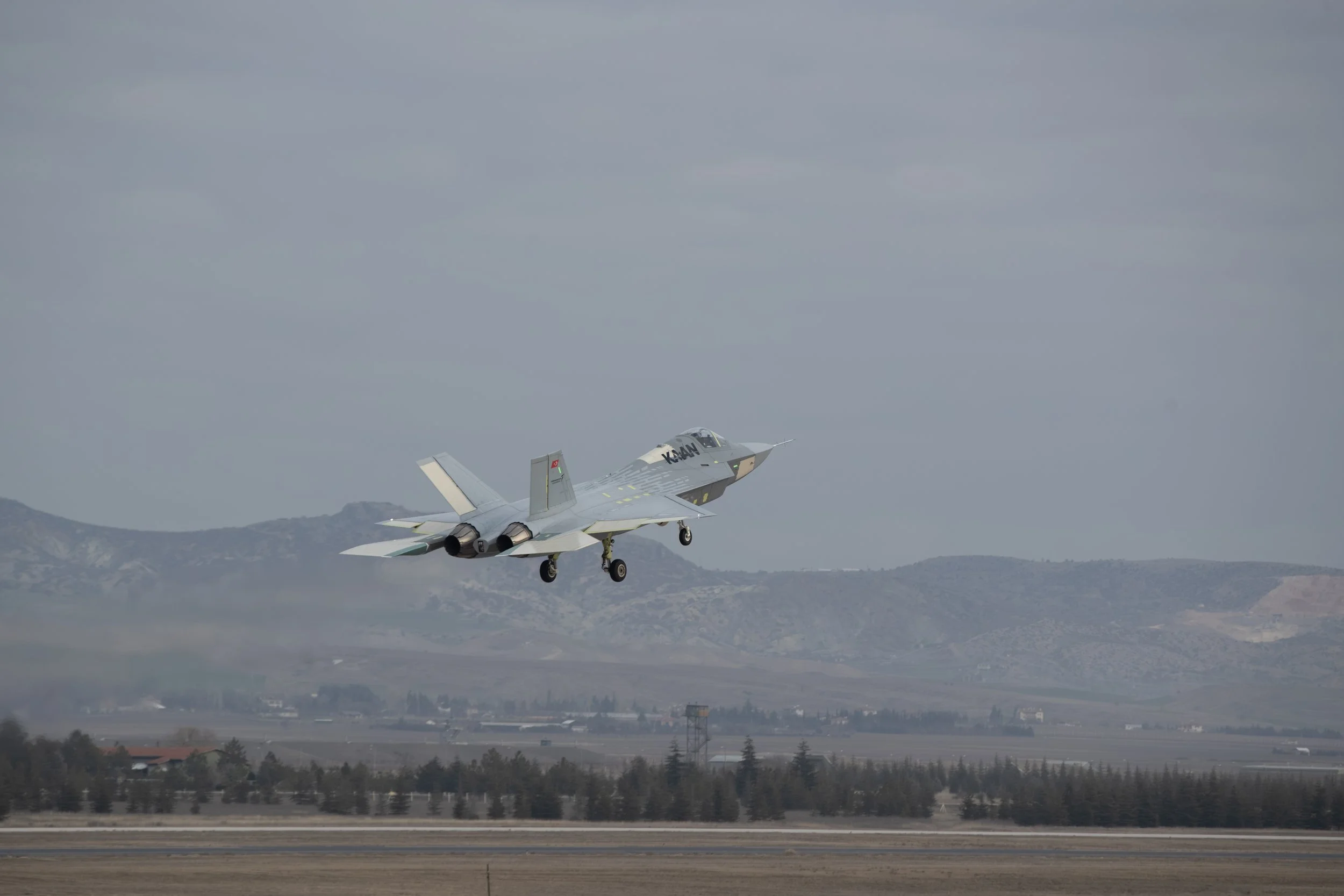
KAAN represents the more ambitious future. The twin-engine fighter first flew in February 2024 and is intended to provide low observability, advanced avionics, internal weapons carriage and national control over upgrades and armament. Türkiye has also signed an agreement covering 48 KAAN aircraft for Indonesia, giving the programme an export dimension unusually early in its development.
Yet KAAN remains a flight-test programme. Its eventual performance, engine solution, production rate, cost and delivery schedule cannot be judged as if it were already an operational peer of the F‑35.
Greatest advantage: An increasingly complete national aerospace, sensor, weapons and uncrewed-systems ecosystem.
Main limitation: The gap between successful prototypes and a mature, supportable combat fleet remains large.
Price-to-added-value assessment: Modernised F‑16s offer strong near-term value. KAAN could deliver major strategic and industrial value, but development risk must remain part of any cost assessment.
Pakistan: J‑10CE at the top, JF‑17 Block III at the centre
The J‑10CE is probably Pakistan’s most capable individual fighter, particularly in terms of radar, electronic warfare and long-range air-to-air employment.
The more consequential aircraft, however, may be the JF‑17 Block III. It combines an active electronically scanned array radar, helmet-mounted display, modern data link, integrated self-protection and beyond-visual-range weapons in a relatively light platform. Pakistan also holds 58 per cent of the airframe co-production work share, giving the programme industrial importance beyond its operational role.
The JF‑17 cannot match a Rafale, F‑35 or J‑20 across the full capability spectrum. It was not designed to. Its strength lies in providing credible modern combat capability in numbers and at a support level accessible to states unable to finance top-tier Western aircraft.
Greatest advantage: A pragmatic combination of modern sensors, weapons, affordability and domestic production.
Main limitation: Lower payload, range and growth capacity than larger twin-engine fighters, with continuing dependence on Chinese and other foreign subsystems.
Price-to-added-value assessment: One of the strongest propositions in the market for countries seeking a modern but financially sustainable fighter force.
South Korea: F‑35A maturity and KF‑21 momentum
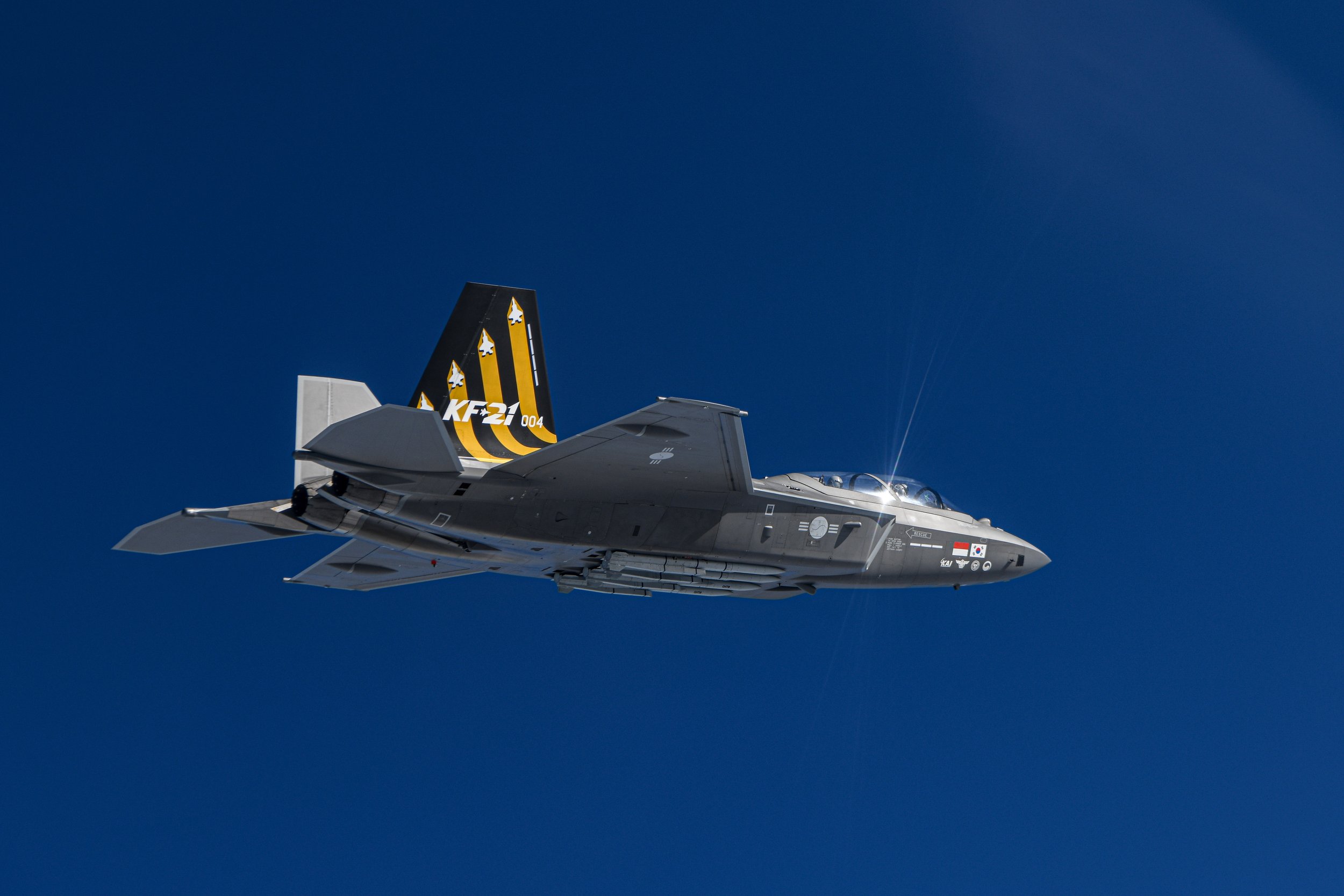
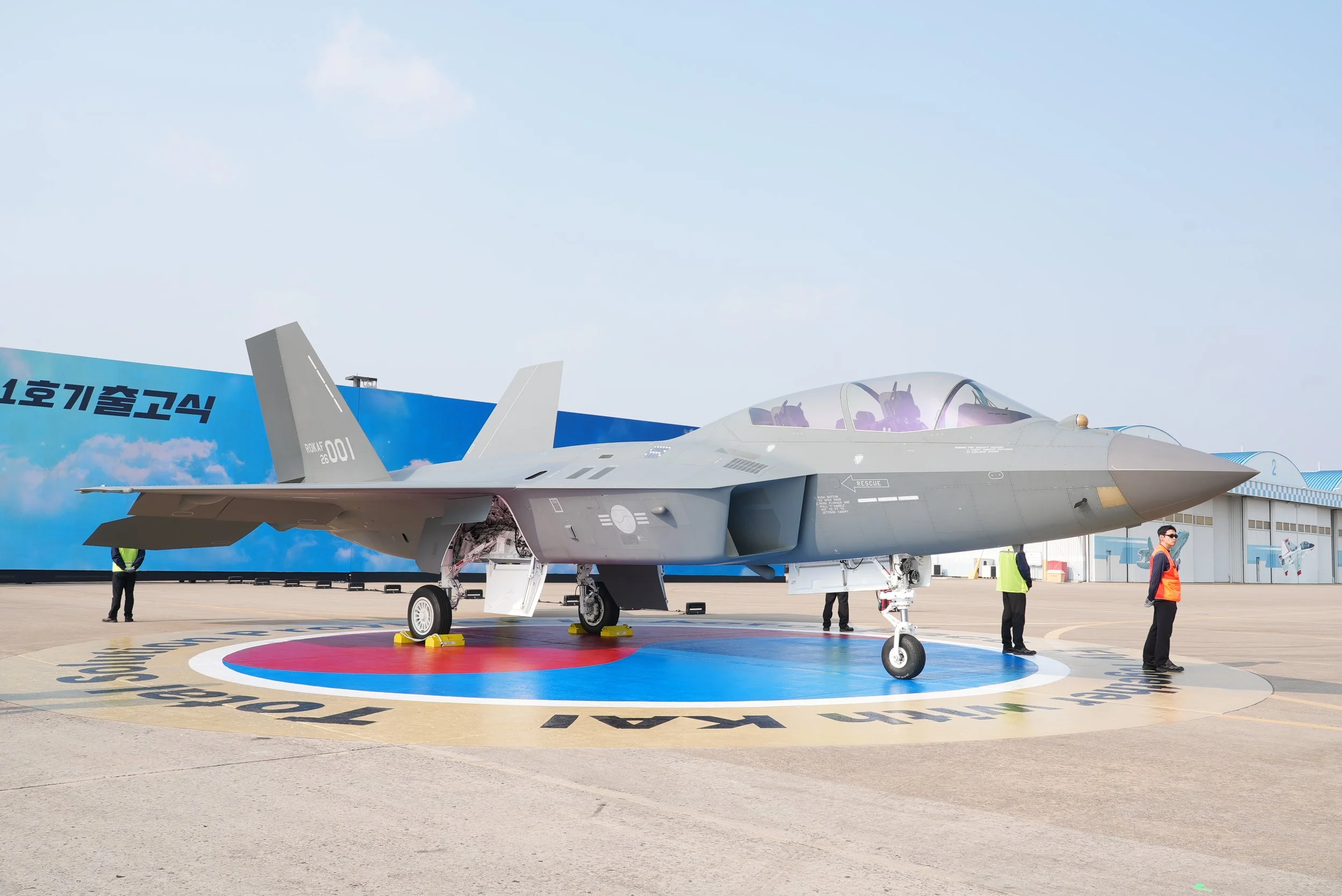
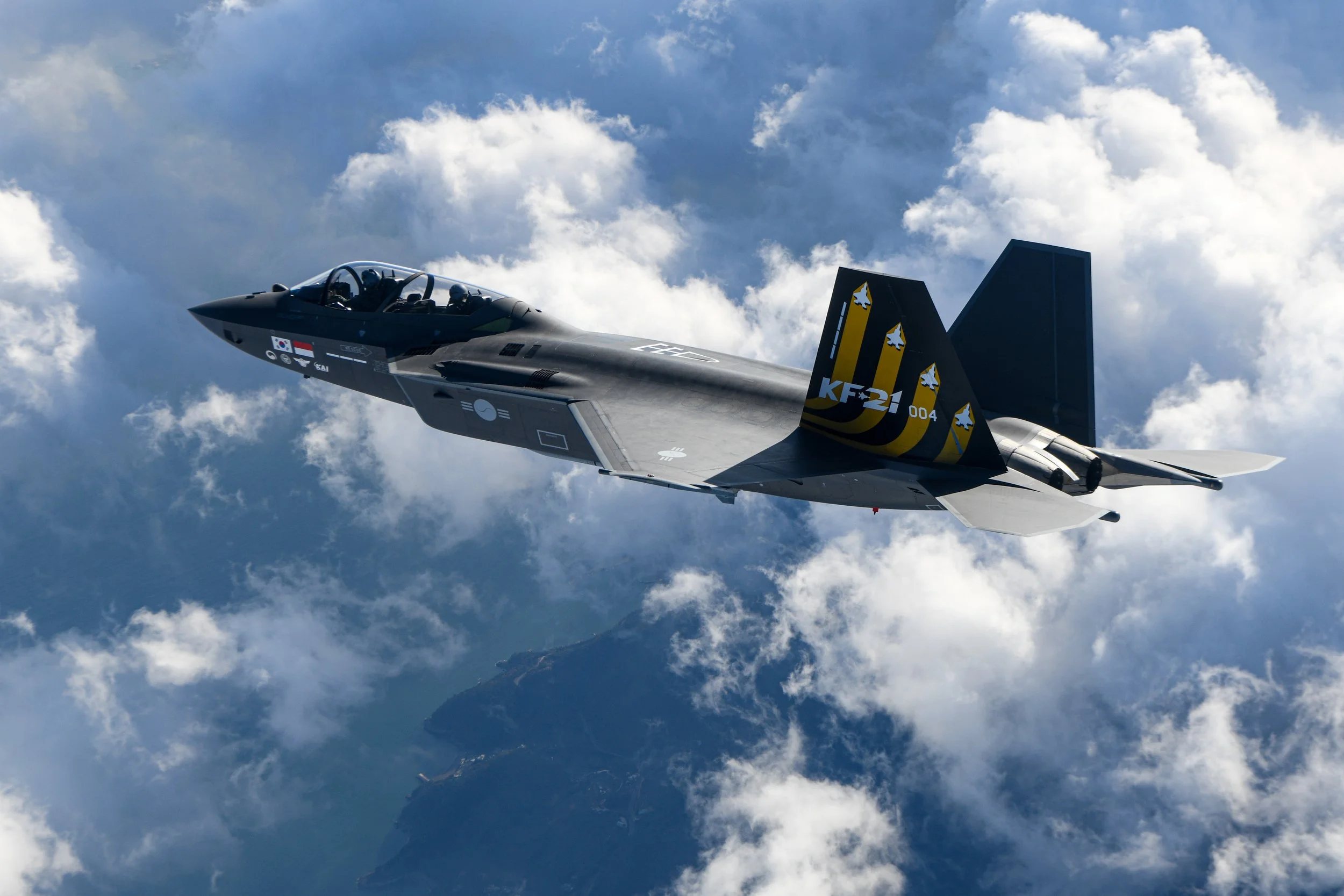
South Korea already operates the F‑35A, giving it an operational fifth-generation capability. The more important industrial story is the KF‑21 Boramae.
The KF‑21 is not initially a fully stealthy fifth-generation aircraft: its early configuration carries weapons externally. It is better understood as a modern, low-observable, networked 4.5-generation platform designed with room for future development.
That positioning may prove commercially intelligent. The KF‑21 promises advanced radar and electronic-warfare capabilities without immediately accepting all the cost and complexity of a full internal-weapons stealth design. The first production aircraft is scheduled for delivery to the Republic of Korea Air Force in late 2026.
Greatest advantage: A credible balance between modern capability, development realism and industrial scalability.
Main limitation: It is not yet operationally mature, and its initial configuration does not provide full fifth-generation stealth.
Price-to-added-value assessment: Potentially one of the most attractive future options for countries needing more capability than an upgraded F‑16-class platform but unable—or unwilling—to enter the F‑35 ecosystem.
There is no universal winner
The F‑22 may still be the most formidable dedicated air-superiority fighter. The F‑35 offers the strongest combination of stealth, sensors and coalition-scale networking. Rafale is exceptionally versatile. Typhoon excels in high-performance air defence. Gripen E turns operating efficiency and dispersed basing into combat power. The J‑20 combines stealth with the range and scale demanded by the Indo-Pacific. The Su‑57 prioritises kinematics and weapons flexibility. The JF‑17 offers credible capability at a level of cost many countries can actually sustain.
These are not contradictory conclusions.
The best fighter is not necessarily the aircraft with the best specification sheet. It is the aircraft a country can afford, arm, maintain, upgrade, disperse and connect to the rest of its force—at meaningful scale.
For political leaders, the decision is therefore also about alliances and strategic dependence. For armed forces, it is about mission systems, readiness and weapons stocks. For industry, it is about intellectual property, production workshare and access to future upgrades.
The aircraft remains important. But in contemporary air warfare, the real unit of combat power is no longer the fighter alone. It is the entire system that enables it to find, decide, strike—and return to fly again.