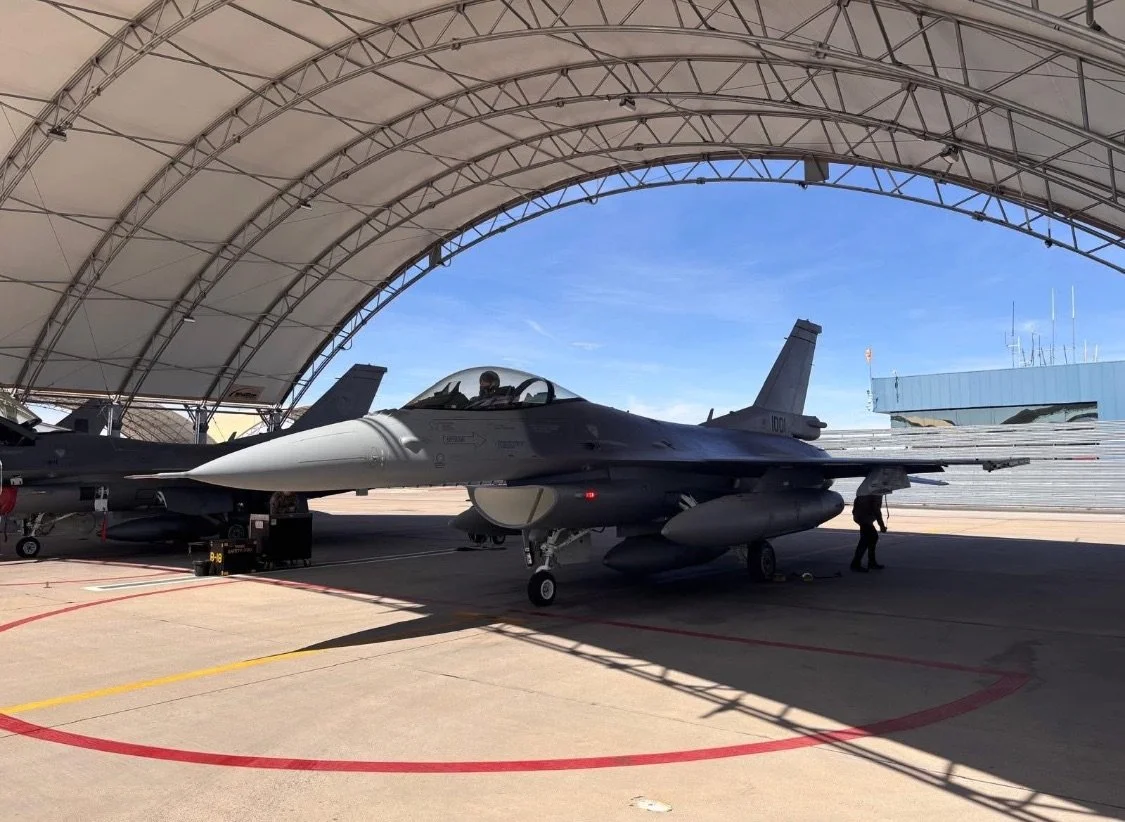
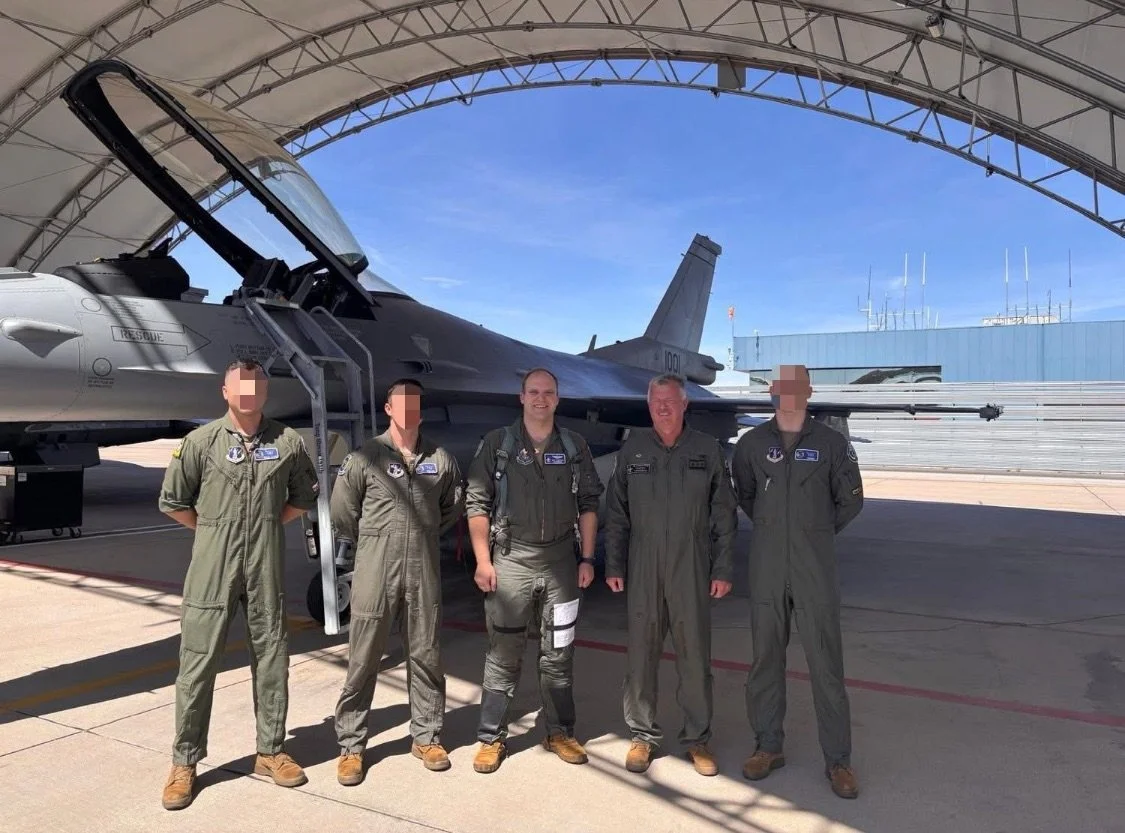
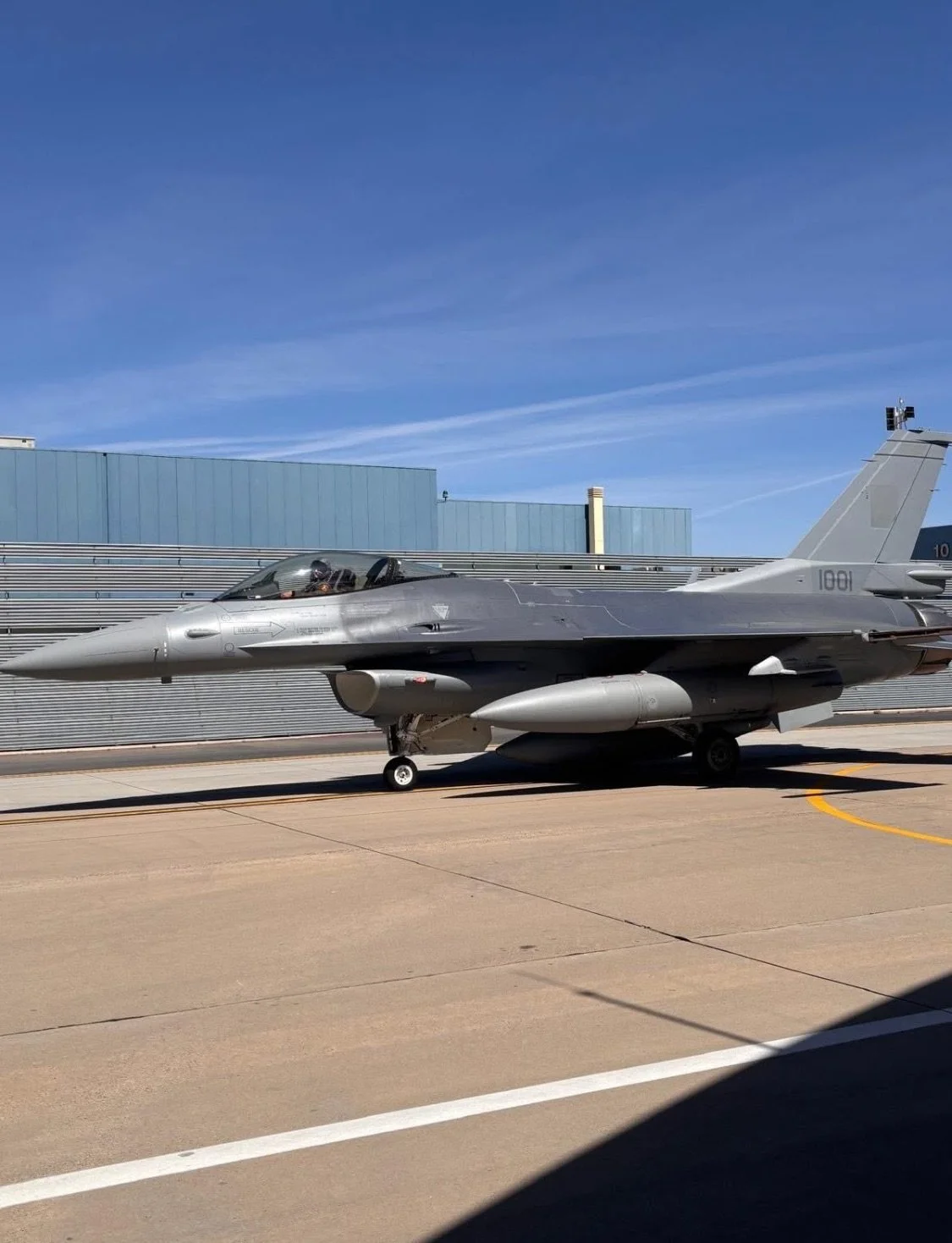
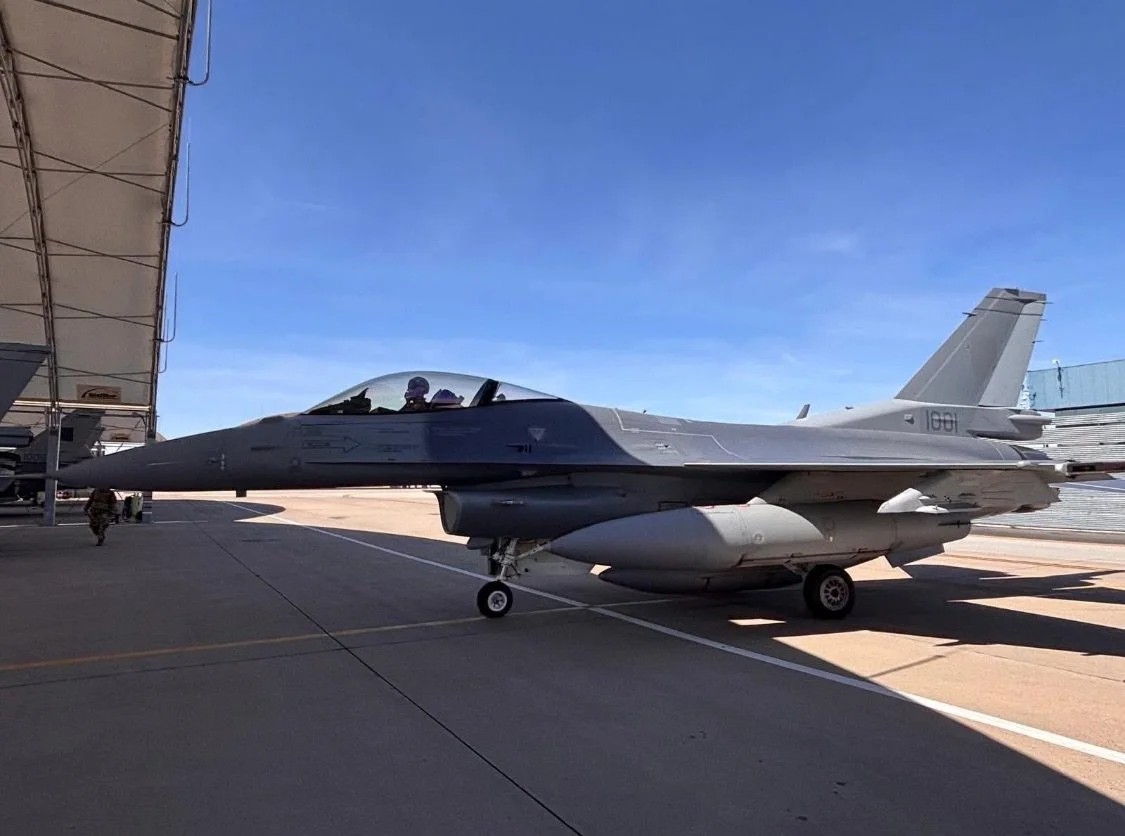
The latest post from the Slovak Armed Forces marks a real milestone. With the final F-16 Block 70 now in Tucson and formally accepted into the Slovak programme, Bratislava can say the 2018 order is complete in production terms. Fourteen aircraft now sit inside the Slovak inventory. That is a consequential point in any fighter recapitalisation effort, especially for a country that retired its MiG-29s before the replacement force was fully in place.

But the post is more revealing for what it implies than for what it celebrates. Some aircraft are already in Slovakia. Others remain in Arizona because the main constraint is no longer manufacturing. It is force generation: pilot seasoning, maintainer competence, tactics, procedures and the daily routines that turn delivered aircraft into a credible national air-policing force. That is why a complete fleet is not yet the same thing as a complete capability.

Slovakia was never simply buying newer metal. The 2018 package combined aircraft, weapons, support and a training pipeline for 22 pilots and 160 ground personnel. That matters because the F-16 transition required a new operating model, not just a platform swap. Official Slovak reporting showed the first two pilots returning from Block 70 conversion training in the United States in October 2023, while the U.S. Air Force had already designated Morris Air National Guard Base as the temporary home for up to nine Slovak-owned aircraft through fiscal year 2026 to accelerate training.

The basing picture tells the same story. The first two Slovak F-16s arrived at Kuchyňa in July 2024, not at Sliač. Sliač remains the intended long-term F-16 base, but its reconstruction is scheduled to run until 2027. In other words, Slovakia’s fighter recapitalisation has moved faster than the infrastructure meant to anchor it permanently at home.

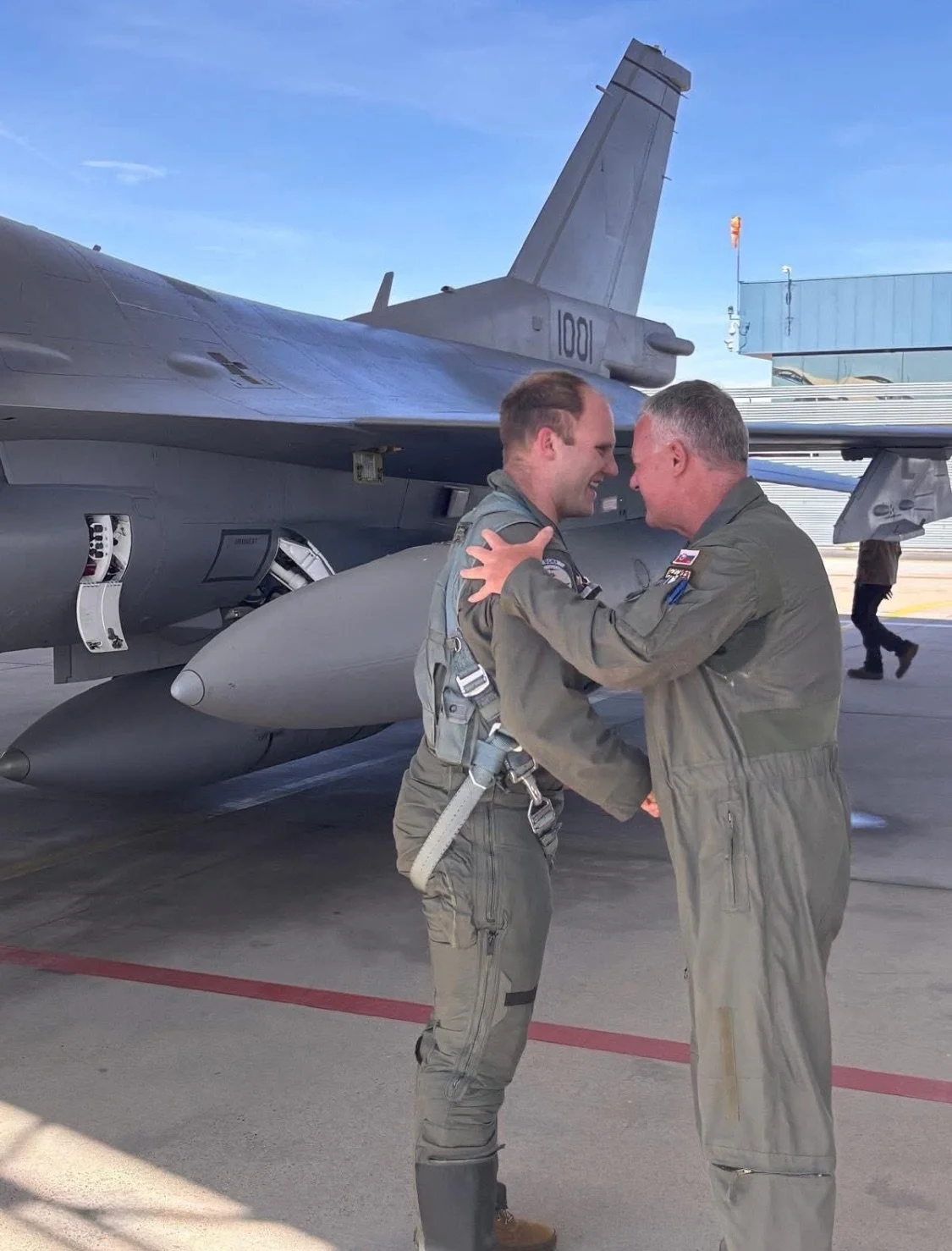
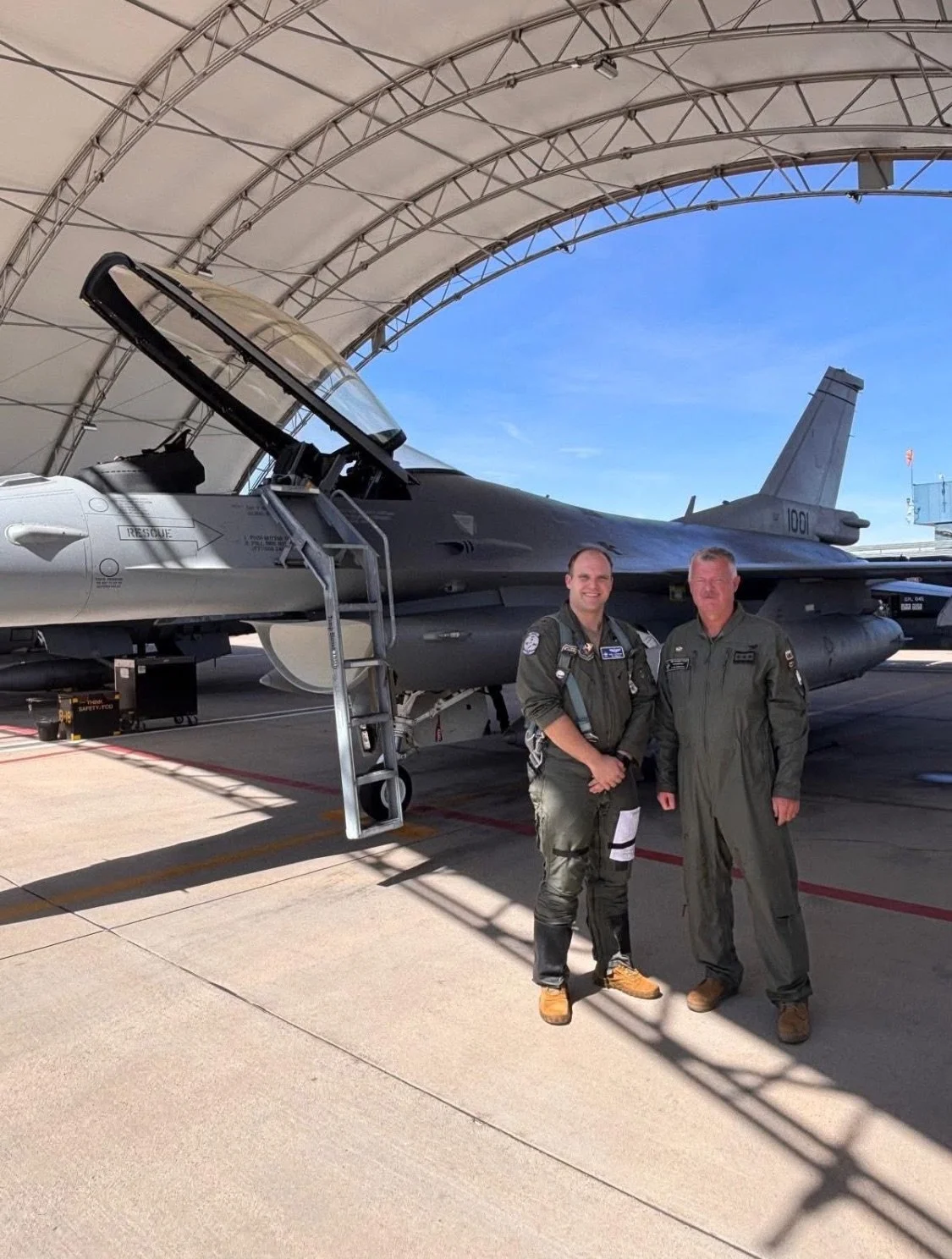
That does not make the programme unsuccessful. It makes it typical of a smaller air force moving from a Soviet-era legacy fleet to a modern Western fighter ecosystem. The real readiness test is not whether all 14 airframes have been accepted. It is whether Slovakia can generate sustained sorties, maintain crews and aircraft at the required tempo, and assume sovereign quick reaction alert with enough trained depth to keep doing it. The recent U.S.-Slovak air-to-air exercise in Arizona matters for that reason. U.S. and Slovak officers described it in explicitly operational terms, linking it to NATO procedures, pilot upgrade training and the near-term stand-up of Slovakia’s QRA mission.

This is the strategic meaning of the latest post. Slovakia is no longer in the aircraft acquisition phase. It is in the more demanding phase that follows: converting a delivered fleet into a usable sovereign combat-air capability. That phase is slower, less visible and more dependent on technicians, training sorties, data links, procedures and base infrastructure than procurement headlines usually suggest.

For Slovakia, the immediate question is no longer whether the F-16 programme is real. It clearly is. The question is how quickly the country can close the remaining distance between ownership and readiness. When that gap closes, the significance will extend beyond national prestige. It will mark the return of a sovereign Slovak fast-jet capability inside NATO after a transition period in which allied aircraft covered Slovak airspace.

Sources: Slovak Armed Forces official Facebook post; U.S. DSCA; Ministry of Defence of the Slovak Republic; U.S. Air Force / Air National Guard; STVR / TASR.