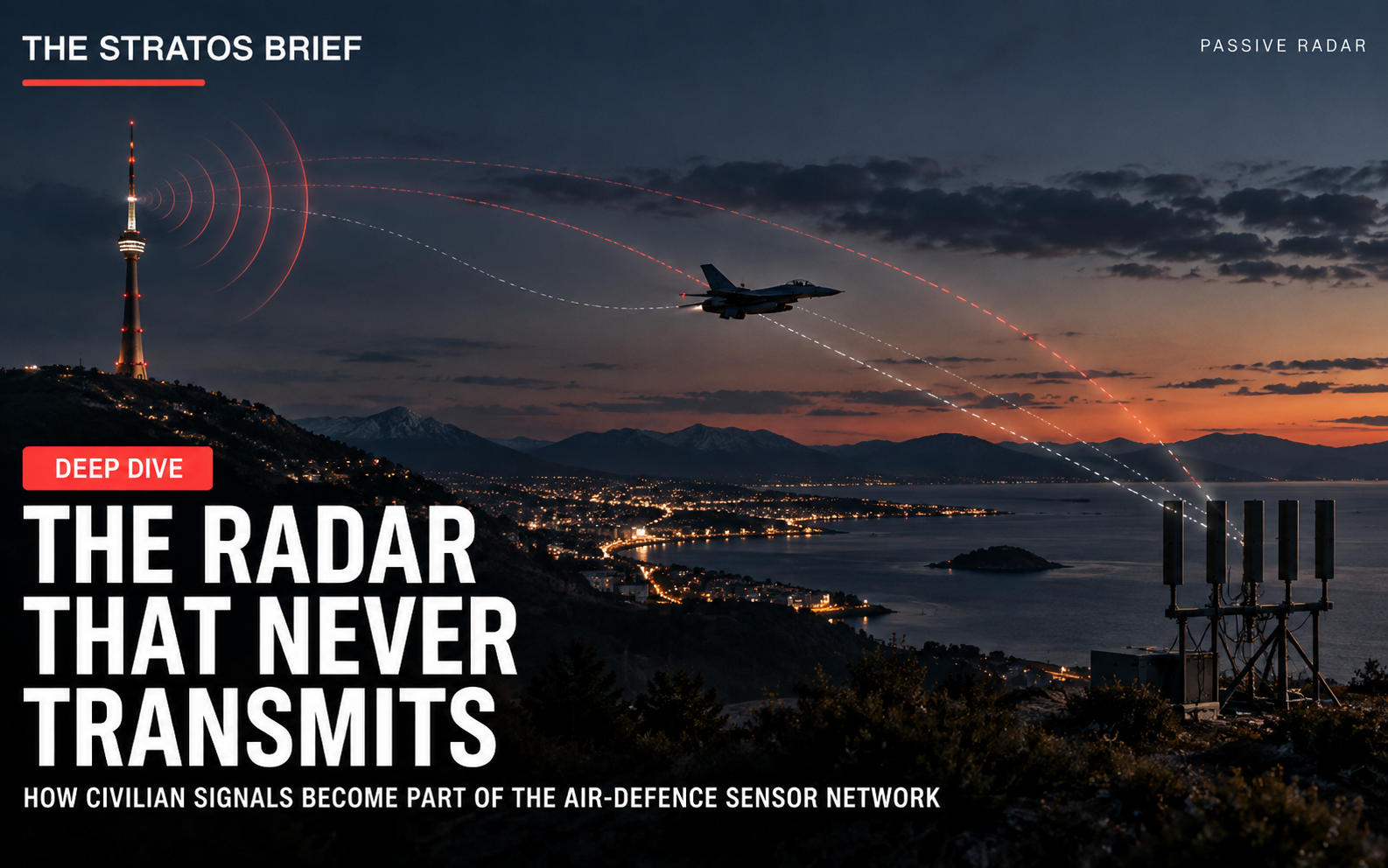
The Radar That Never Transmits: How Civilian Signals (TV, FM radio…) Are Becoming Part of the Air-Defence Sensor Network
Passive radar can detect aircraft without transmitting a radar signal of its own. By exploiting FM radio, digital television, cellular networks and potentially satellite communications, these systems are becoming an increasingly important layer of modern air defence.

The Rearmament Economy: Who Builds, Who Buys—and Who Pays?
Russia’s full-scale invasion of Ukraine brought industrial-scale attrition back to Europe. The 2026 conflict with Iran is now straining high-end missile and interceptor inventories. This Deep Dive follows the new defence boom from government budgets to factory floors, examining who benefits, who pays and why its largest industrial effects may still lie ahead.

Satellites That Repair Satellites: Why In-Orbit Servicing Has Finally Become Real
Satellites can already extend the life of other spacecraft, while robotic repair and refuelling are moving towards operational use. This Deep Dive compares the US, European, Chinese, Russian, Japanese, Indian and allied programmes — and explains the commercial, military and political stakes.
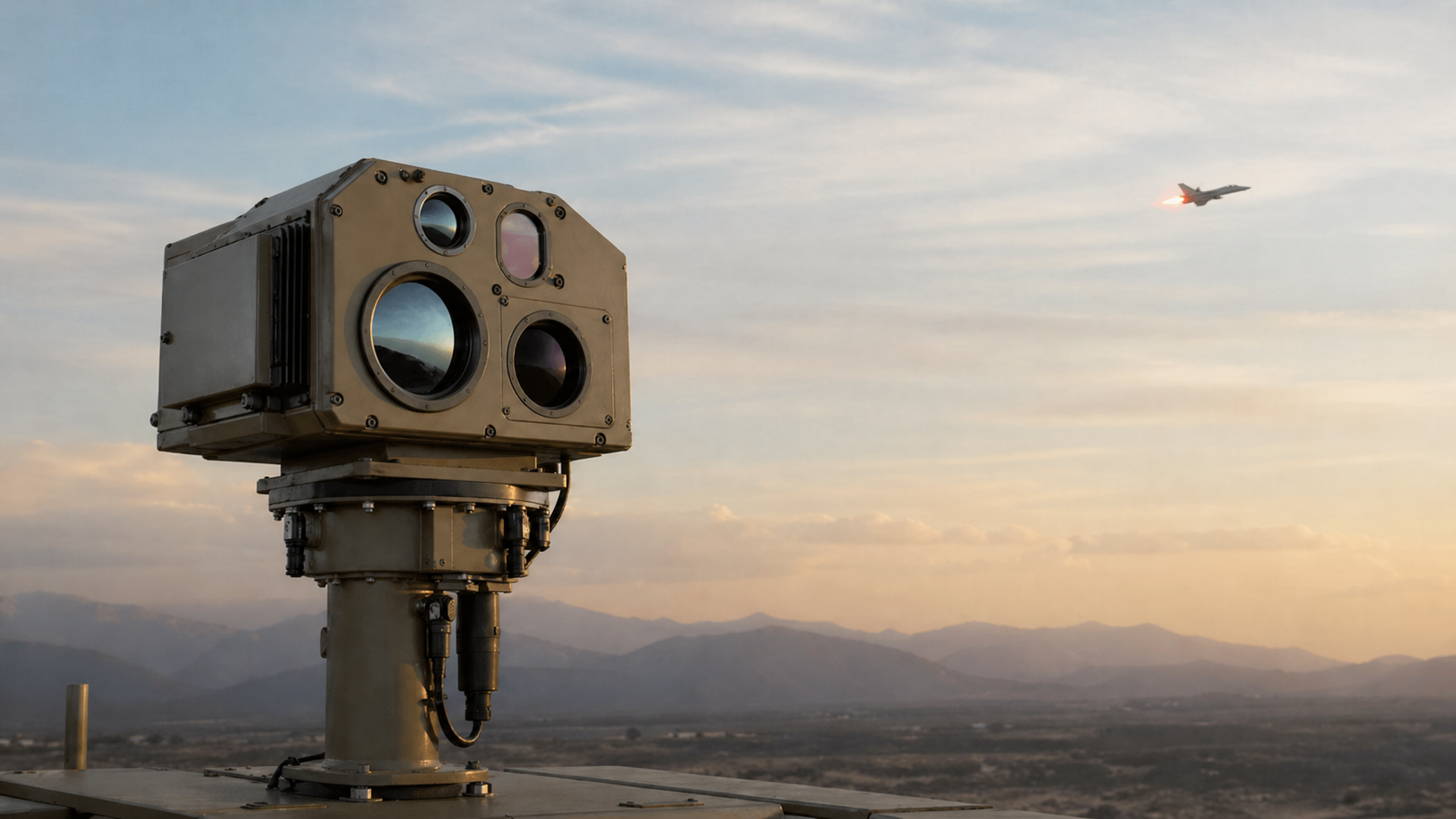
The Silent Layer of Air Defence: Why Passive Infra-Red Sensors Are Becoming Harder to Ignore
Passive infra-red and electro-optical sensors are becoming one of the least understood layers of modern air defence. They do not replace radar, but they can help air-defence networks detect, track and classify aerial threats without transmitting radar energy. This makes them harder to detect electronically and harder to suppress in contested airspace. From Israel’s Sky Spotter to European, US, Russian, Chinese and Iranian systems, passive EO/IR sensing is moving from a specialist technical niche into the centre of modern layered air defence.