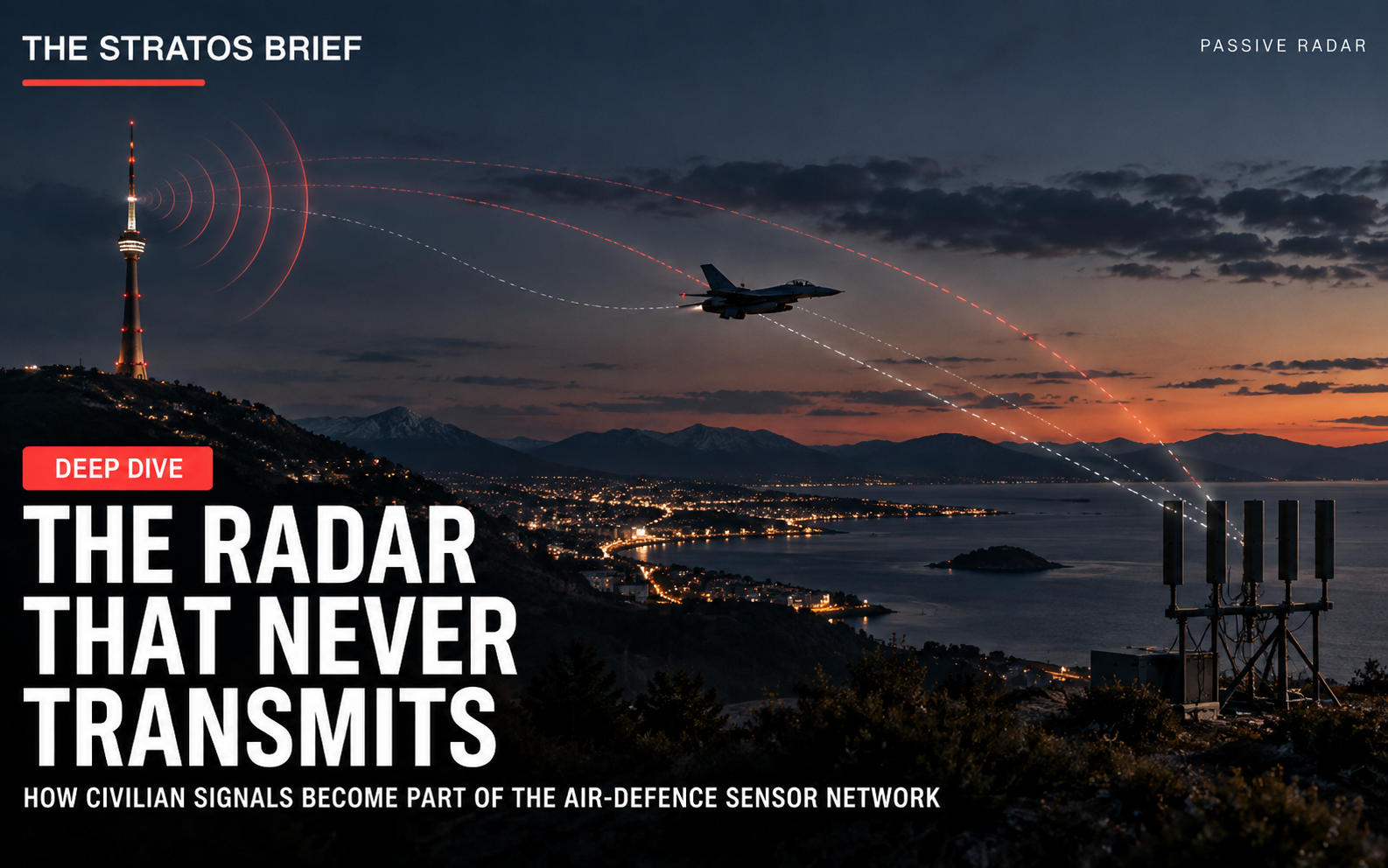
The Radar That Never Transmits: How Civilian Signals (TV, FM radio…) Are Becoming Part of the Air-Defence Sensor Network
Passive radar can detect aircraft without transmitting a radar signal of its own. By exploiting FM radio, digital television, cellular networks and potentially satellite communications, these systems are becoming an increasingly important layer of modern air defence.
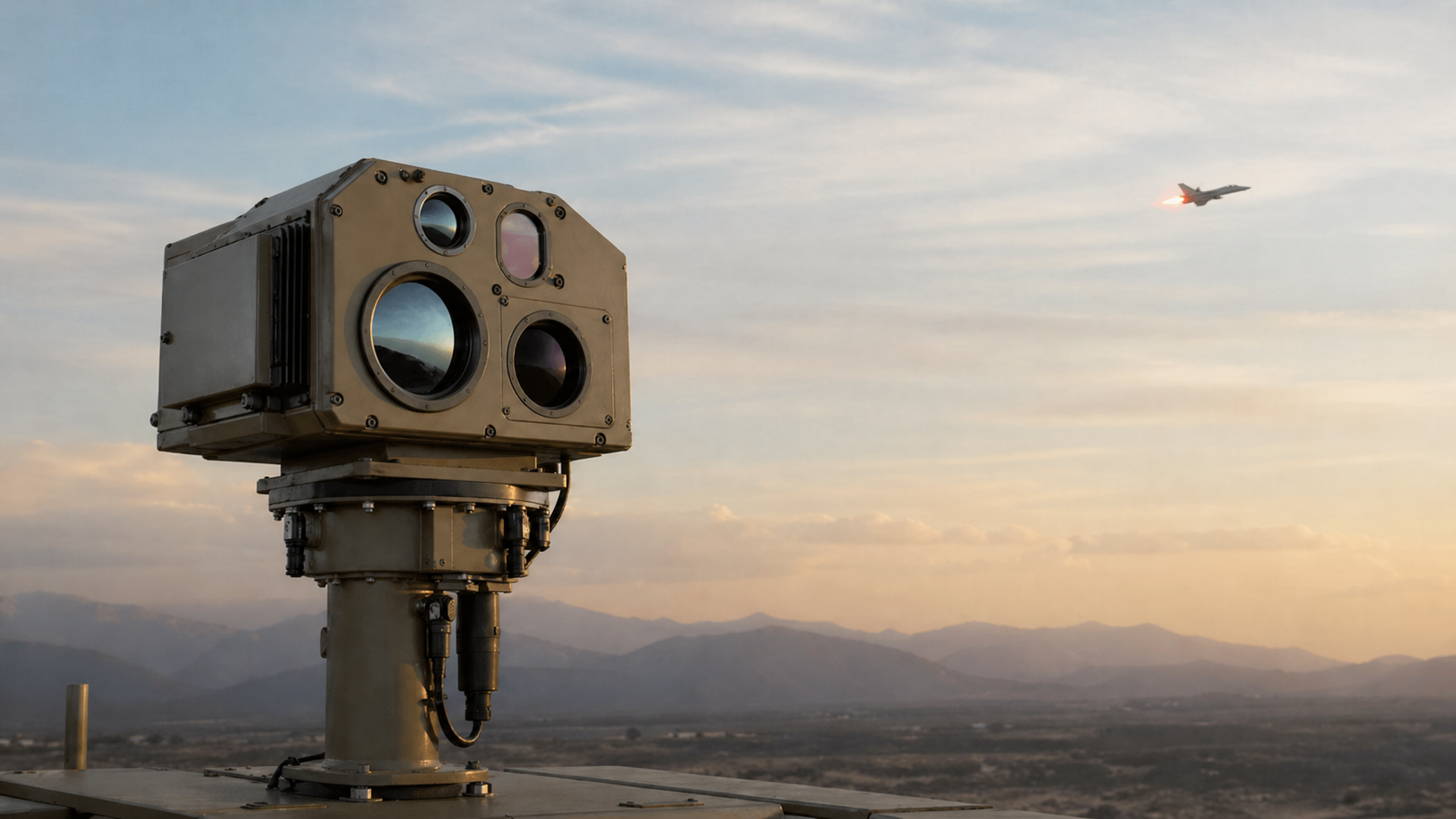
The Silent Layer of Air Defence: Why Passive Infra-Red Sensors Are Becoming Harder to Ignore
Passive infra-red and electro-optical sensors are becoming one of the least understood layers of modern air defence. They do not replace radar, but they can help air-defence networks detect, track and classify aerial threats without transmitting radar energy. This makes them harder to detect electronically and harder to suppress in contested airspace. From Israel’s Sky Spotter to European, US, Russian, Chinese and Iranian systems, passive EO/IR sensing is moving from a specialist technical niche into the centre of modern layered air defence.

Beyond GPS: Why Quantum Navigation Is Becoming an Aerospace Imperative
GPS transformed aviation, but it also created a hidden vulnerability. As jamming and spoofing become a normal part of the operating environment, aerospace is being forced to rethink one of its oldest assumptions: that satellite navigation will always be available and always be trustworthy. Quantum navigation is emerging as one of the most credible answers. From magnetic field mapping to quantum-enhanced inertial sensing, a new generation of resilient navigation technologies promises to help aircraft, drones, and ships keep their bearings when traditional signals fail. The question is no longer whether the field is real. It is how quickly it will move from trials and demonstrations into operational use.