Who The Stratos Brief is useful for Who TSB is useful for Tap to expand Close
The Stratos Brief helps readers make sense of aerospace, defence and strategic developments by explaining not only what happened, but why it matters.
For policy readers
Strategic consequences, procurement logic, alliance dynamics and the wider security context behind defence decisions.
For industry readers
Market signals, platform competition, lifecycle support, MRO relevance and industrial implications across aerospace and defence.
For strategic readers
Clear explanations of complex defence, aerospace and technology developments without noise, jargon or unnecessary drama.
For curious readers
Accessible context for readers who want to broaden their understanding of air power, security, technology and global affairs.
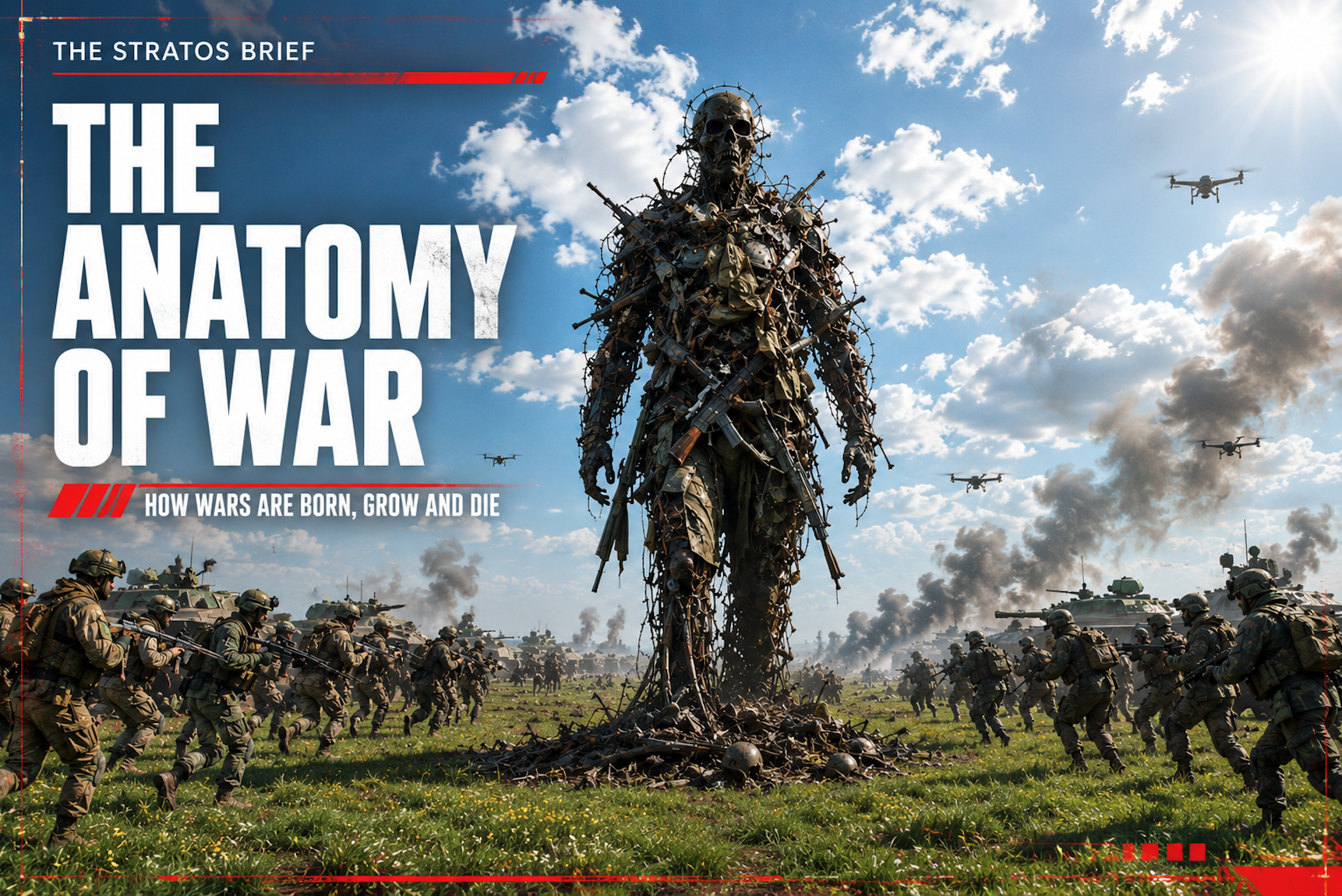
Why do wars begin even when they leave both sides worse off? The Anatomy of War examines the warning signs before conflict, the forces that allow war to sustain and transform itself, and the conditions under which wars finally end.
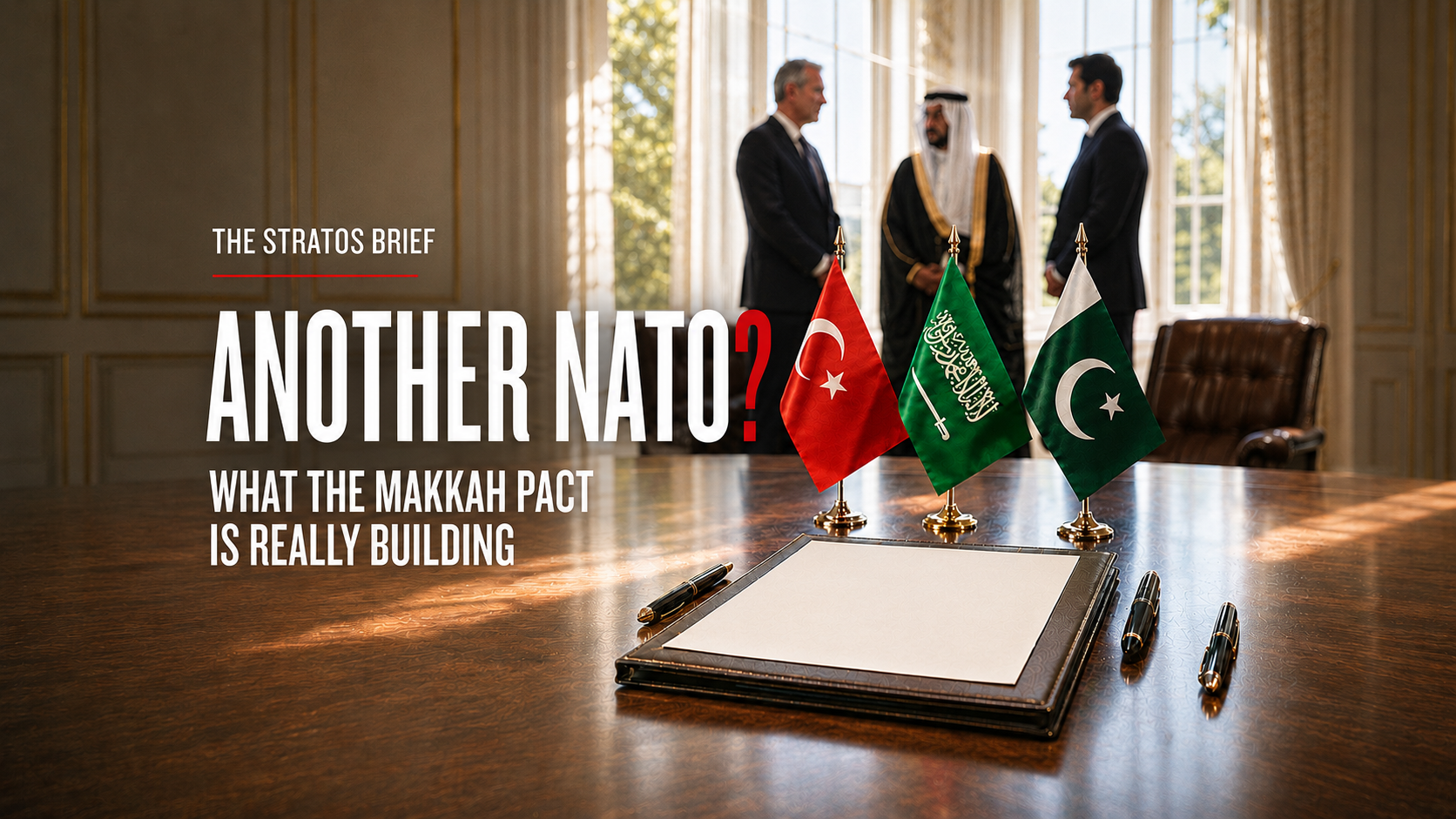
Saudi Arabia, Türkiye and Pakistan have pledged to treat an armed attack on one as an attack on all. Is the Makkah Pact the foundation of a new NATO-style alliance—or an ambitious framework whose military credibility has yet to be built?

A successful drone creates only a temporary operational window. Drawing on Russian and Ukrainian uncrewed systems, this TSB Insight explains the four clocks that determine whether a military can turn evidence into a fielded response before the advantage expires.

Russia’s Rassvet constellation now has 31 production-series satellites in orbit and predictable visibility windows over Ukraine. This update assesses what the network can already do, what remains unproven, and how it compares with Starlink and other sovereign LEO systems.
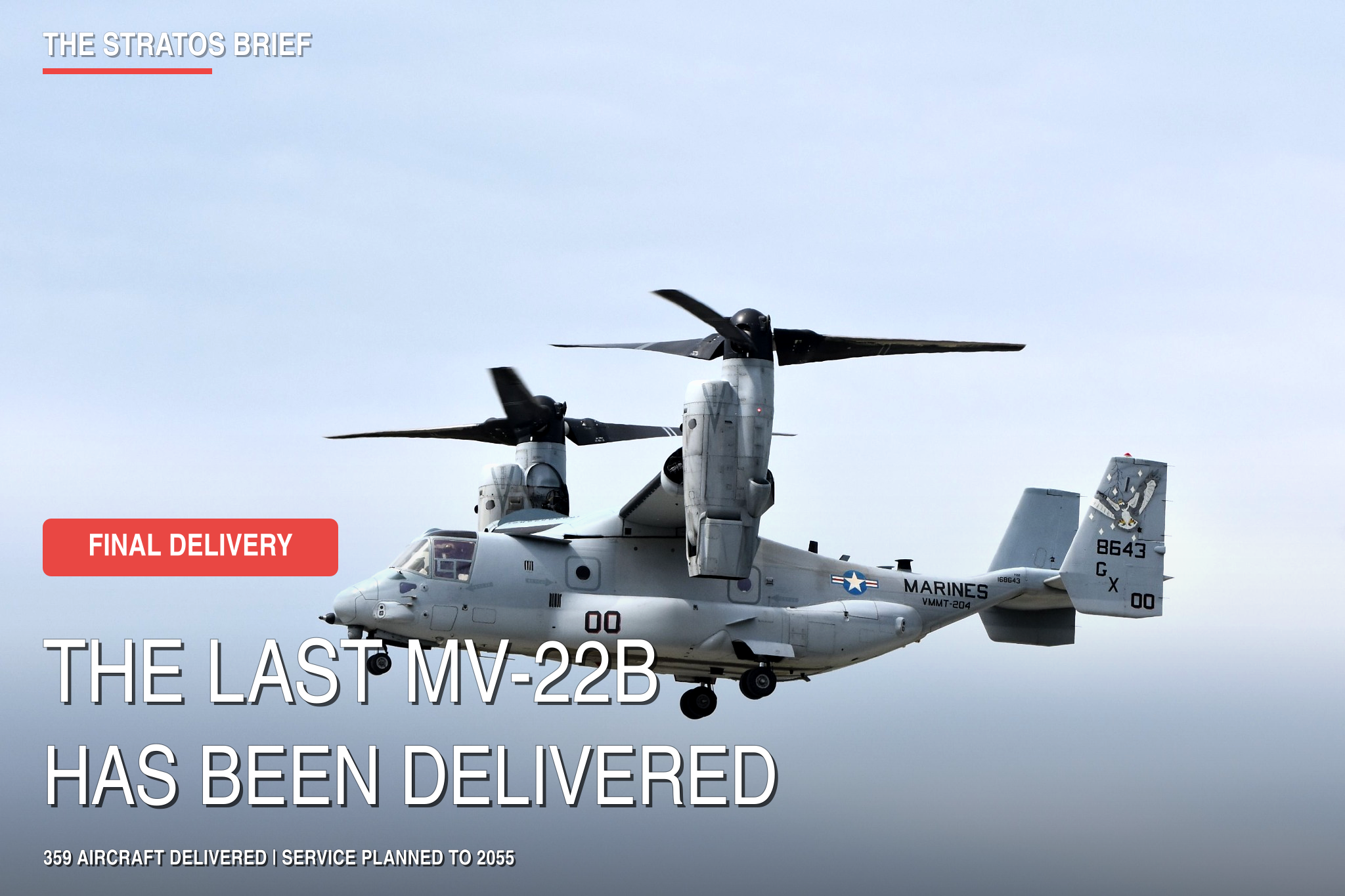
The Marine Corps has accepted its 359th and final MV‑22B. The milestone closes the acquisition phase but opens a more difficult chapter: sustaining, modernising and safely operating the Osprey through 2055 while its eventual successor remains undefined.

Which fighter is truly the best? From the F-35 and Rafale to the J-20, Su-57 and JF-17, this TSB Insight examines what the world’s leading combat aircraft actually do best—and why there is no single winner.

Major defence tenders rarely begin when they appear on a procurement portal. Long before the formal process becomes visible, requirements are shaped, stakeholders form positions, narratives emerge and routes to market are tested. This Insight examines the hidden architecture behind strategic defence procurement and explains why serious consulting is less about access and more about understanding the system.
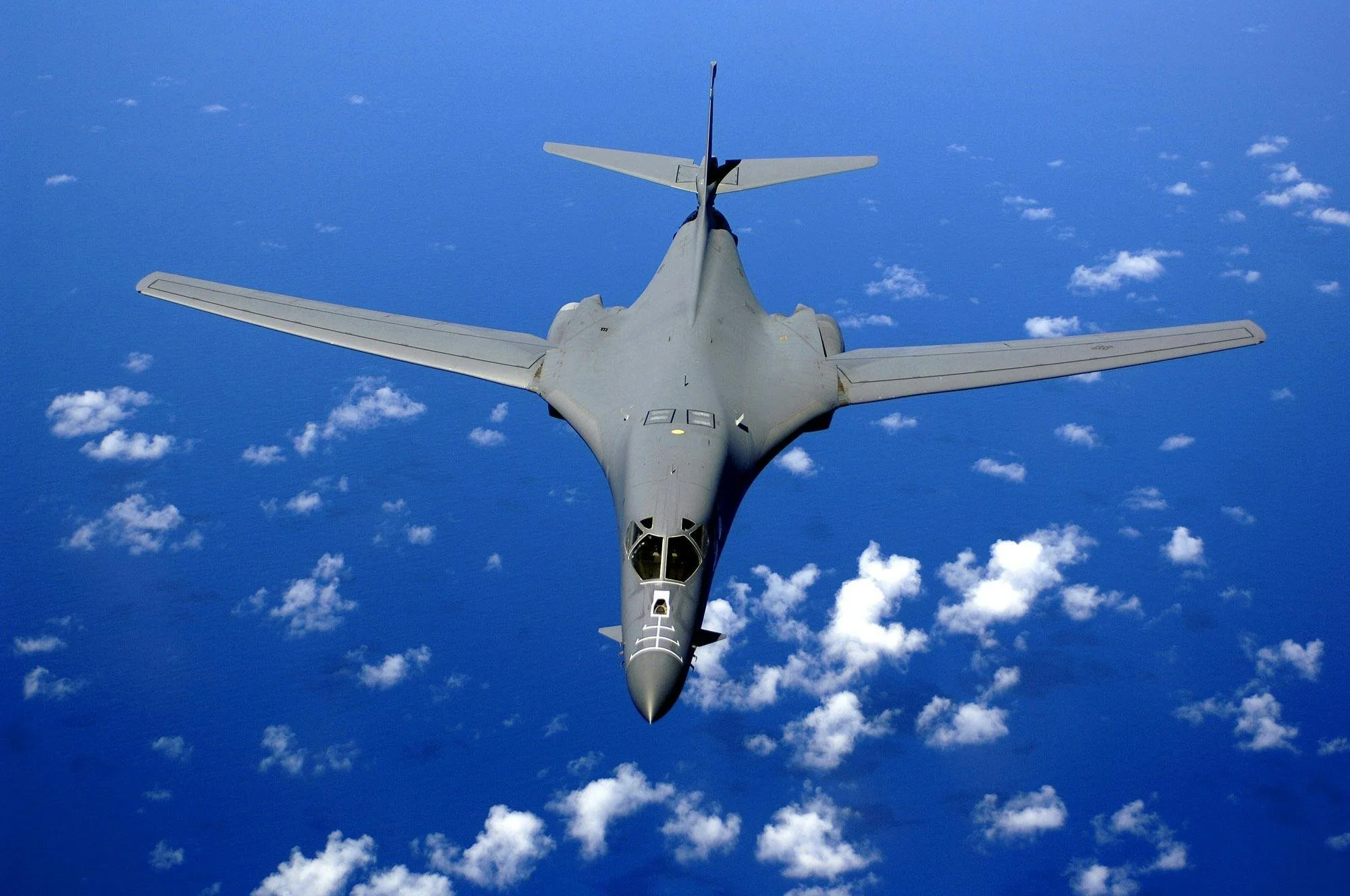
A retired B-1B Lancer has returned from storage to operational service. The story is not only about one bomber leaving the “boneyard.” It is about the U.S. system for preserving aircraft, reclaiming parts, regenerating airframes and keeping strategic options alive long after a platform appears to have left the force.

Business aviation entered May with strong demand signals from Bombardier, Gulfstream, Textron Aviation and Embraer — but also with a clear operational warning. OEM backlogs, fleet deliveries and new certifications point to a resilient market, while Europe’s fuel disruption shows that cost, routing and execution risk are becoming harder to manage.

The UAE’s order for 10 Embraer C-390 Millennium aircraft, with options for 10 more, gives Brazil’s military airlifter its first Middle East customer and a major validation point in the global medium-lift market. For Embraer, the deal is not only an export win. It strengthens the C-390’s position as a serious challenger in a replacement cycle shaped by ageing C-130 fleets, lifecycle-cost pressure and demand for faster, flexible, multi-mission airlift.
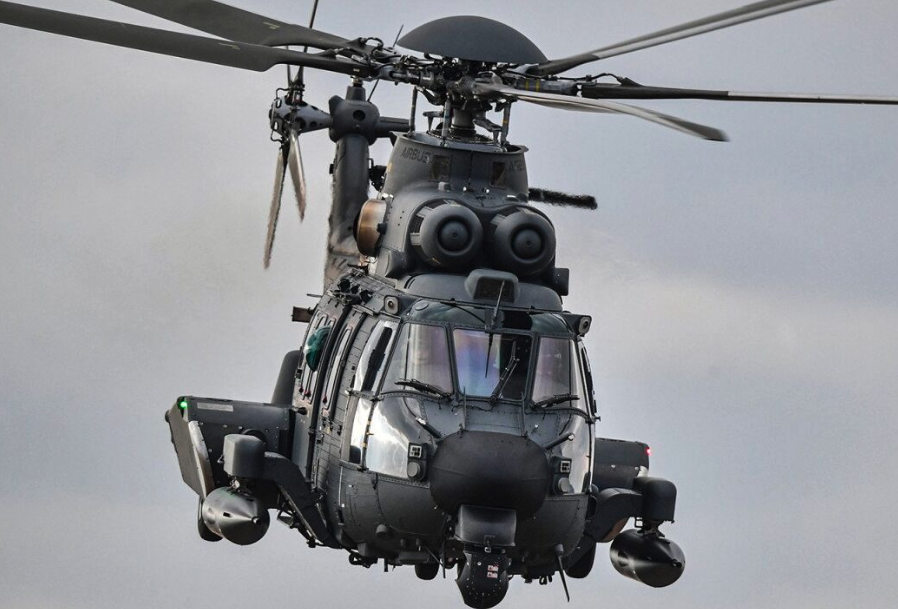
Romania’s planned acquisition of 12 Airbus H225M Caracal helicopters is more than a helicopter purchase. It is a first tranche in a wider Puma replacement effort, a test of EU SAFE-funded defence procurement, and a measure of whether Bucharest can convert urgent capability renewal into meaningful domestic industrial participation around Airbus, IAR Brașov and Romania’s aerospace base.
Saab’s Q1 2026 results show more than a strong financial quarter. With 23.6% organic sales growth, higher margins, a record-level backlog and continued capacity expansion, the Swedish defence group is becoming a useful indicator of how Europe’s defence rebuild is moving from political intent into industrial execution.
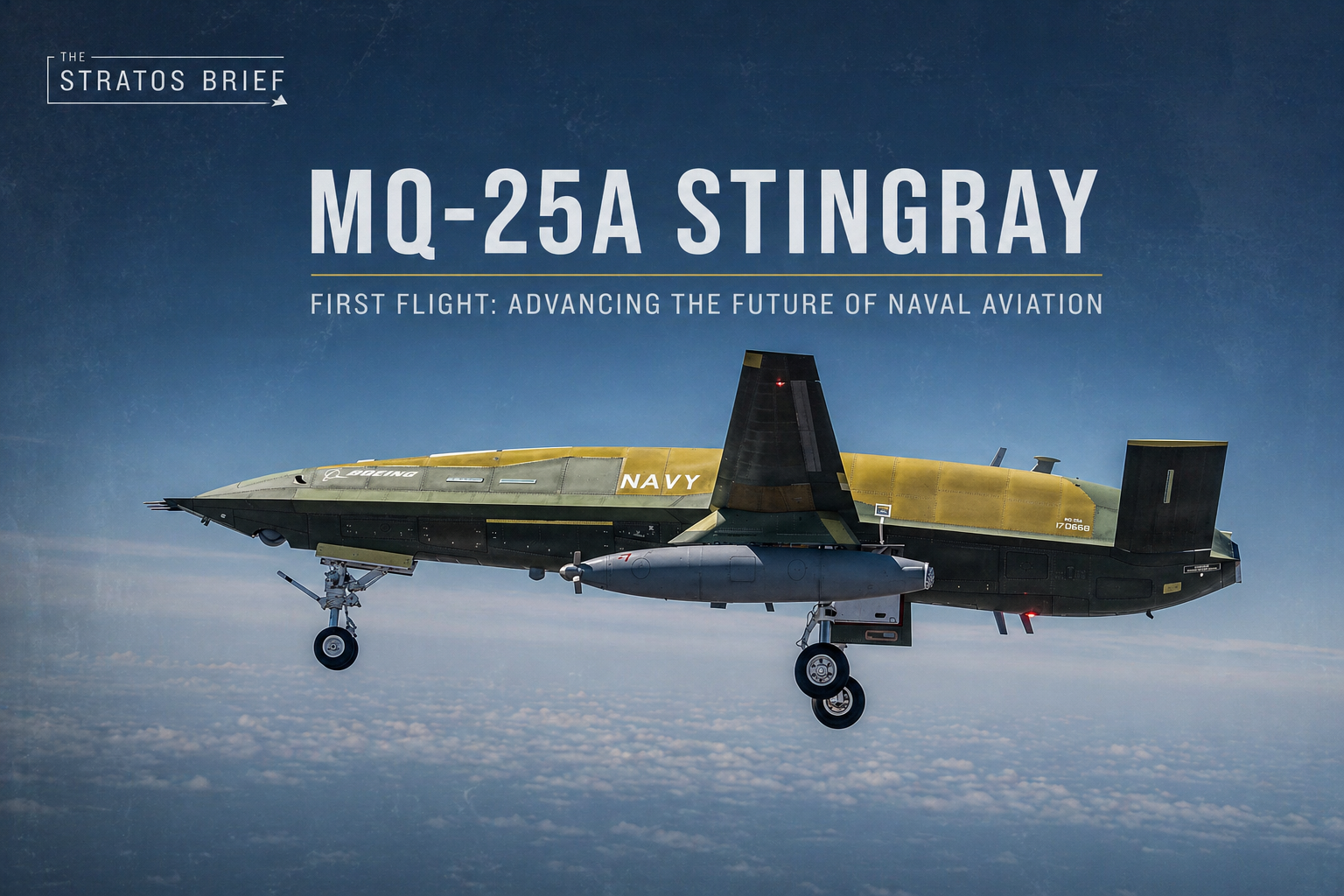
The MQ-25A Stingray’s first flight marks more than a technical milestone for Boeing and the US Navy. It signals the practical arrival of unmanned carrier-based aviation as a force-multiplying capability — extending carrier air wing range, reducing the tanker burden on Super Hornets, and preparing the flight deck for a future of manned-unmanned operations at sea.
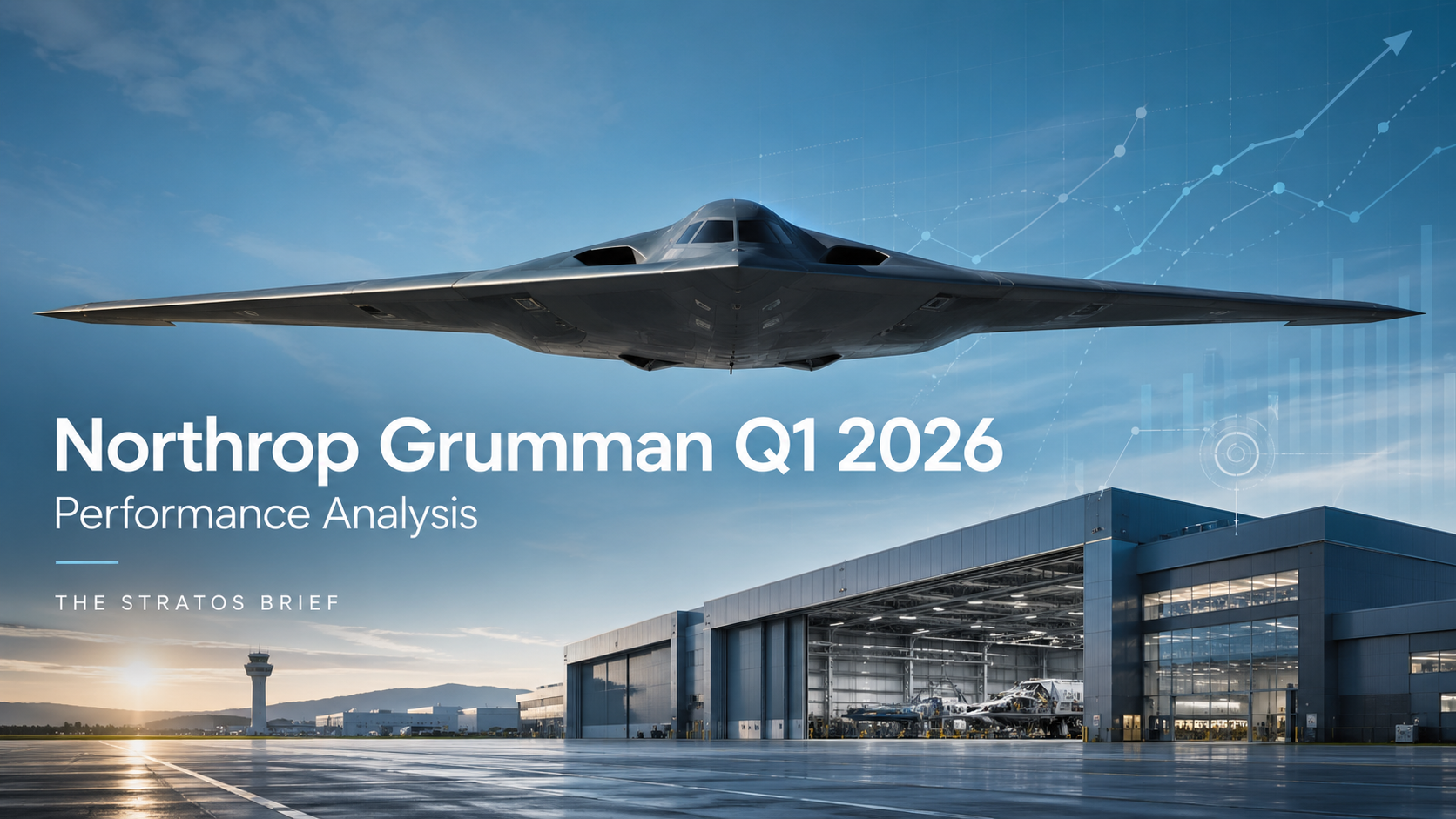
Northrop Grumman’s Q1 2026 results show a defence company with steady growth, stronger margins, a deep backlog and strong exposure to US strategic priorities. The quarter was supported by easier comparison against last year’s B-21 charge, but the underlying message is still clear: demand is strong, guidance is intact, and industrial capacity is becoming central to the company’s growth story.
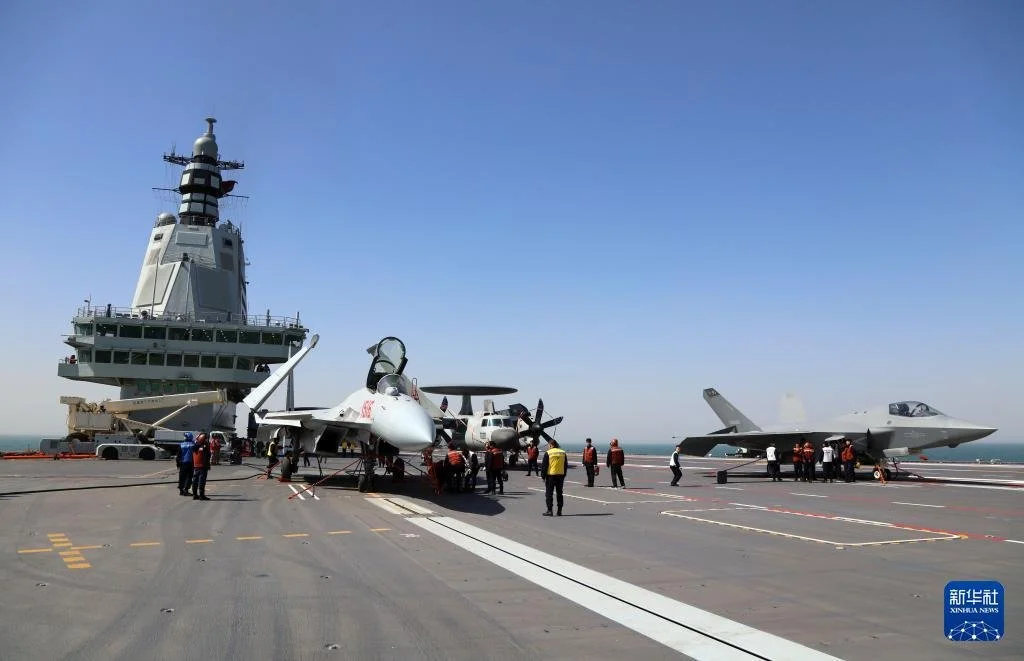
China’s Type 076 Sichuan trials are more than a ship milestone. They show how China is building a wider naval aviation ecosystem around carriers, amphibious assault ships, drones, fixed-wing aircraft and operations beyond the First Island Chain. The result is not yet parity with the US Navy, but it is a visible shift from naval mass towards aviation-enabled maritime power.

The US–Israel–Iran conflict has entered a dangerous pause. Direct strikes have slowed, but the strategic contest continues through the Strait of Hormuz, maritime pressure, sanctions, Lebanon, and the wider role of Russia and China. This TSB analysis examines three possible paths ahead: a negotiated settlement, a frozen conflict, or a renewed phase of active operations.
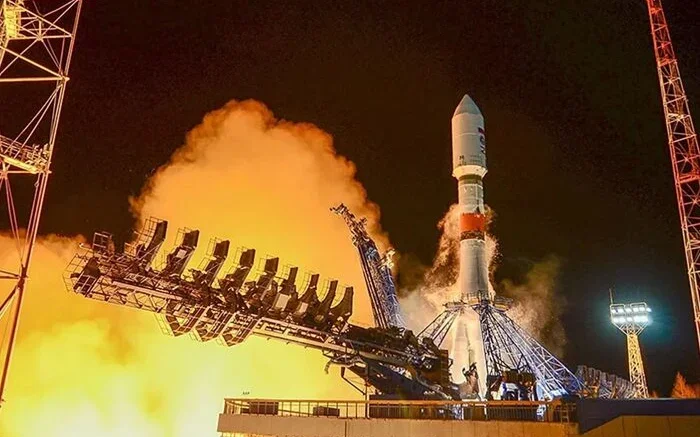
Russia has begun deploying the first operational elements of Rassvet, its emerging low-Earth-orbit satellite internet system. The project is still far from matching Starlink in scale, but it already deserves close attention: not as a copy of a Western model, but as a sovereign communications layer with potential consequences for Russian military resilience, remote civilian connectivity, Arctic operations, and state control over critical infrastructure.
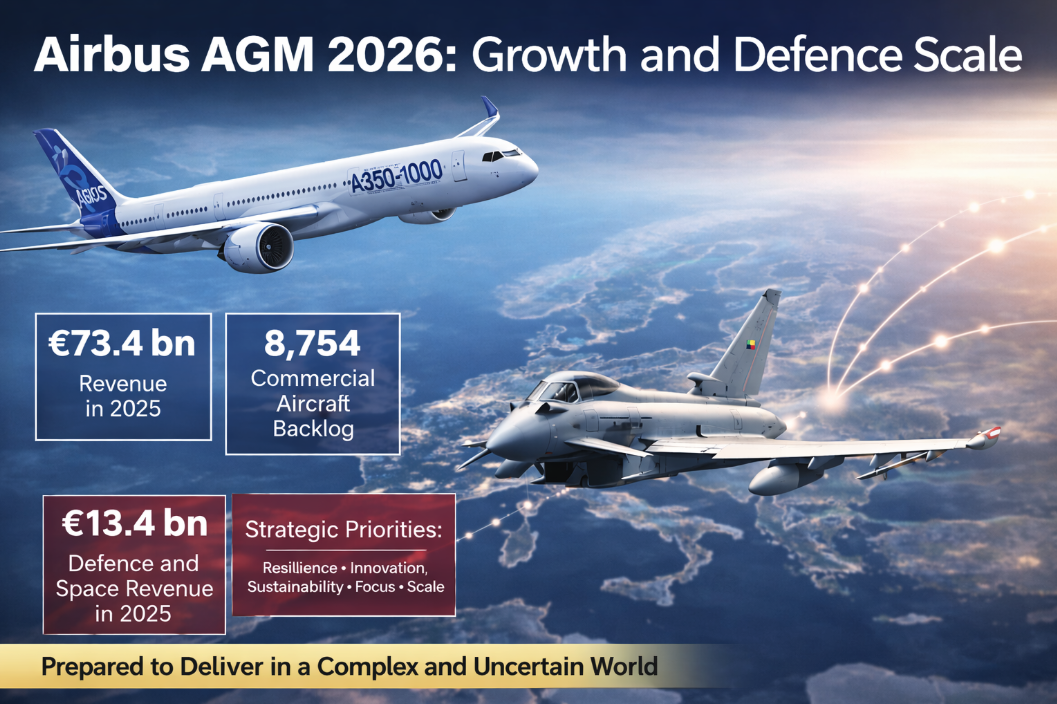
Airbus’s 2026 Annual General Meeting was formally about approvals, appointments and dividends. In substance, it was about something bigger: industrial scale, defence relevance and Europe’s need for companies that can turn geopolitical disorder into durable capability.
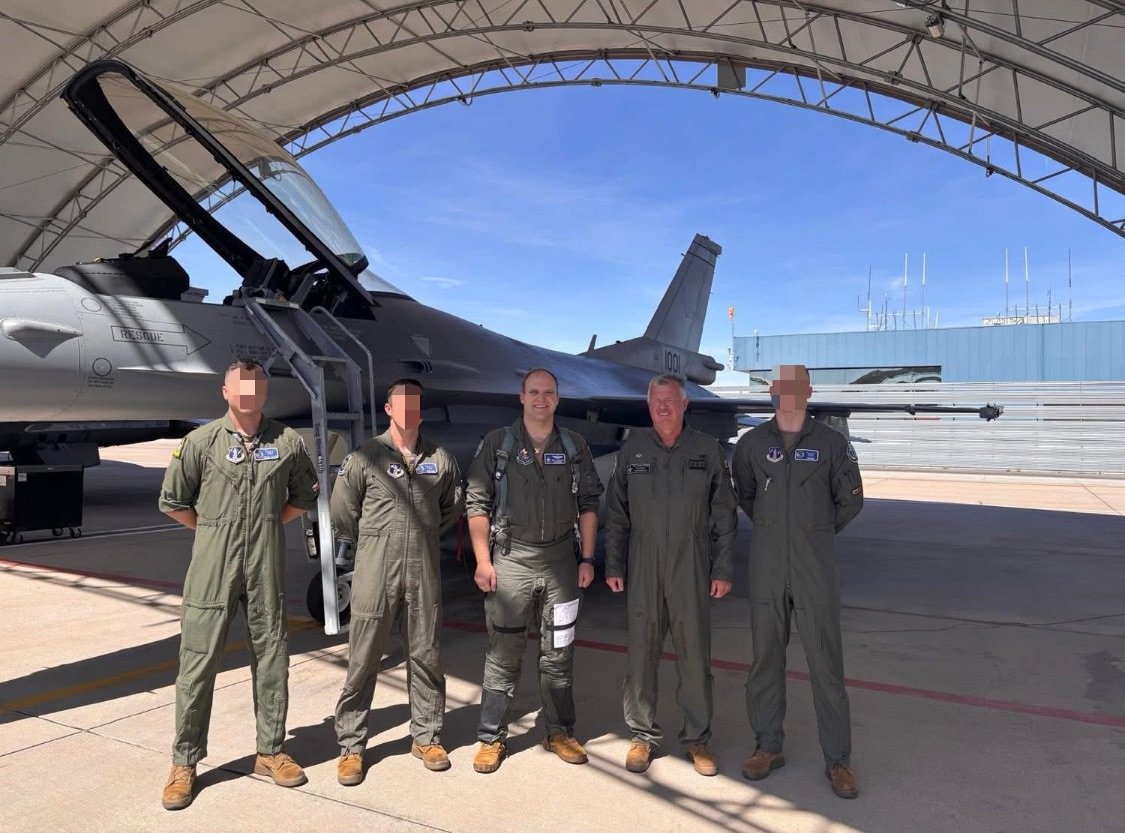
Slovakia now has all 14 of its ordered F-16 Block 70 fighters inside the programme. But a complete fleet is not yet the same thing as a complete capability. The real test now is whether aircraft, crews, maintainers, infrastructure and procedures can be turned into sustained sovereign air power.

The United States remains the arsenal of the West, but recent delivery delays to European allies show that access is not the same as timely access. This insight examines what happens when alliance credibility meets industrial limits — and why inventory depth, production throughput and delivery timing are becoming strategic variables in their own right.
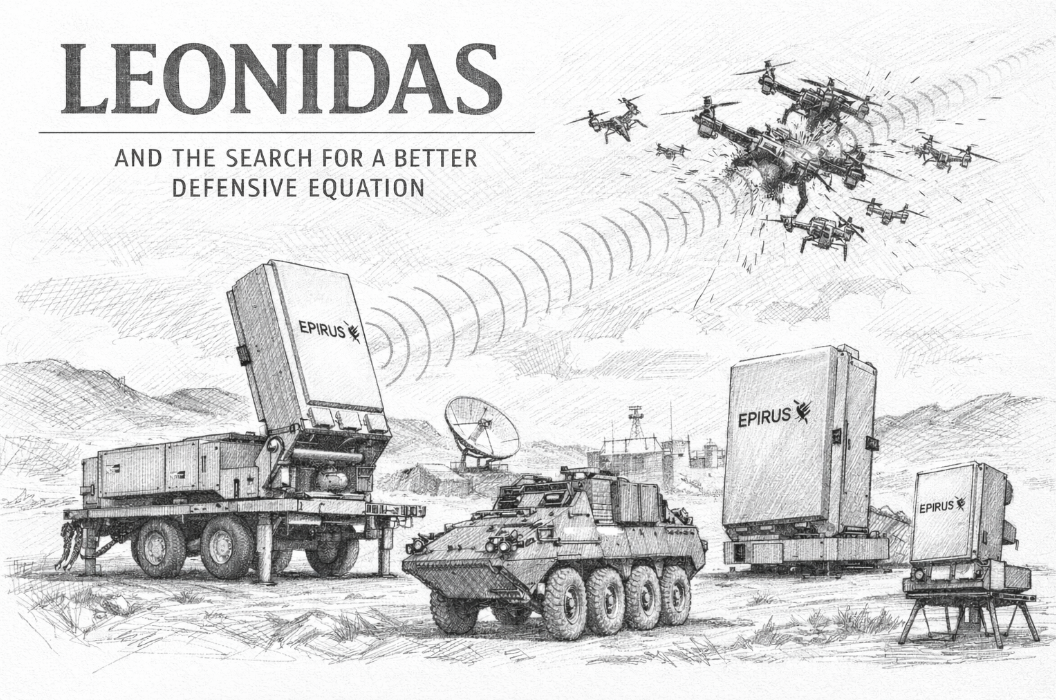
Leonidas matters less as a technological spectacle than as a possible answer to a harder military problem: how to defend against cheap aerial mass without exhausting expensive interceptors and shallow magazines. This insight examines the system not as a marketing claim, but as a strategic proposition — one that could affect force protection, procurement priorities and the economics of modern air defence if its promise survives the harder tests of integration, scale and operational reality.

The EU is launching a transformative defence industrial strategy through the European Defence Industry Programme (EDIP), unifying procurement, scaling production, and integrating Ukraine to strengthen Europe’s long-term security and strategic readiness.

As space becomes a fully contested warfighting domain, ground forces now face near-constant orbital surveillance that must be mitigated without escalating conflict into orbit.
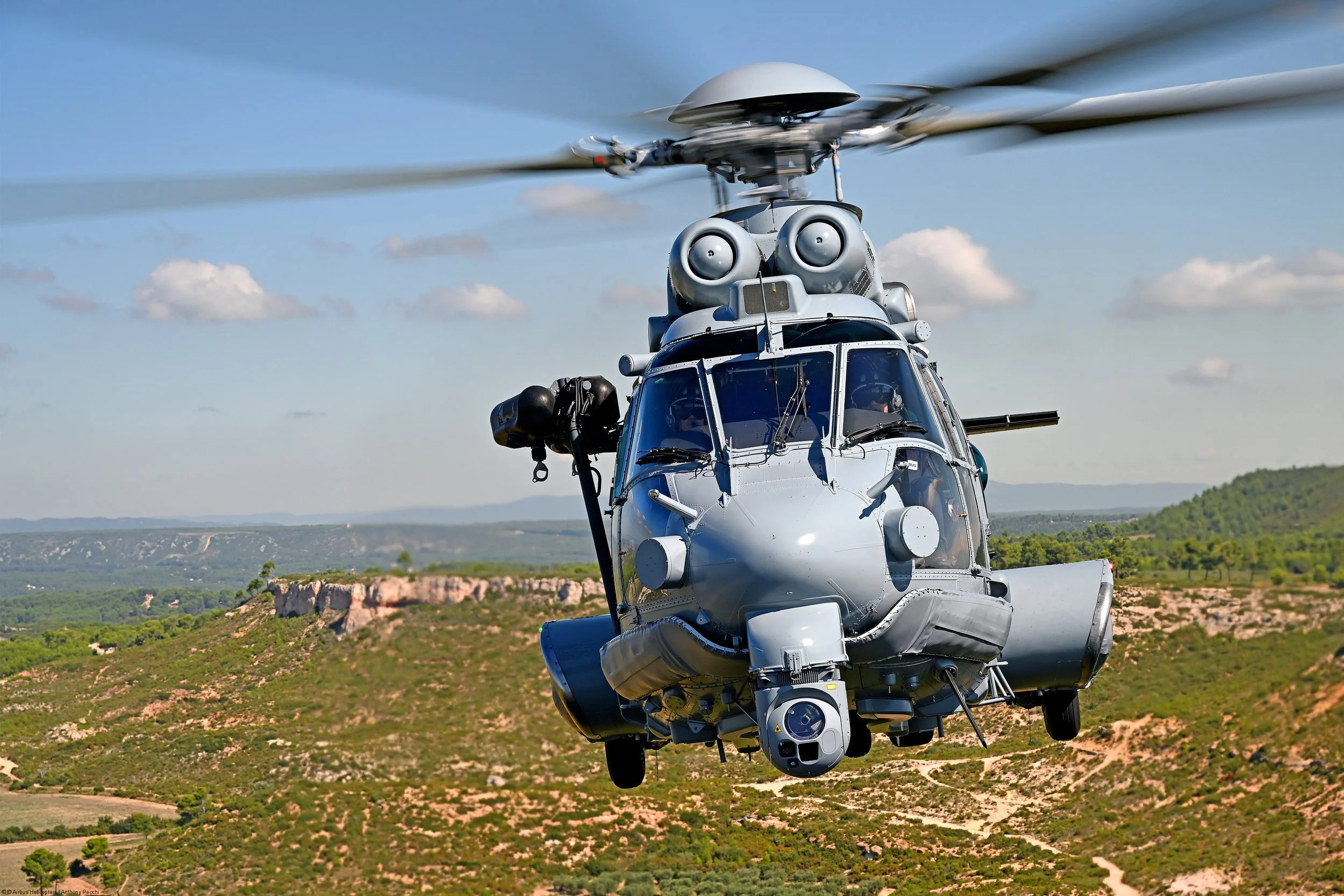
The Kingdom of Morocco has signed a contract with Airbus Helicopters for ten H225M multirole helicopters, to be operated by the Royal Moroccan Air Force (RMAF) and configured for combat search & rescue and special operations

The U.S. Department of State has announced a major update to its policy for exporting unmanned aerial systems.

According to the Ministry of Defence of Ukraine, more than 100 domestically-produced models of weapons and military equipment were authorised for operational use in October 2025.
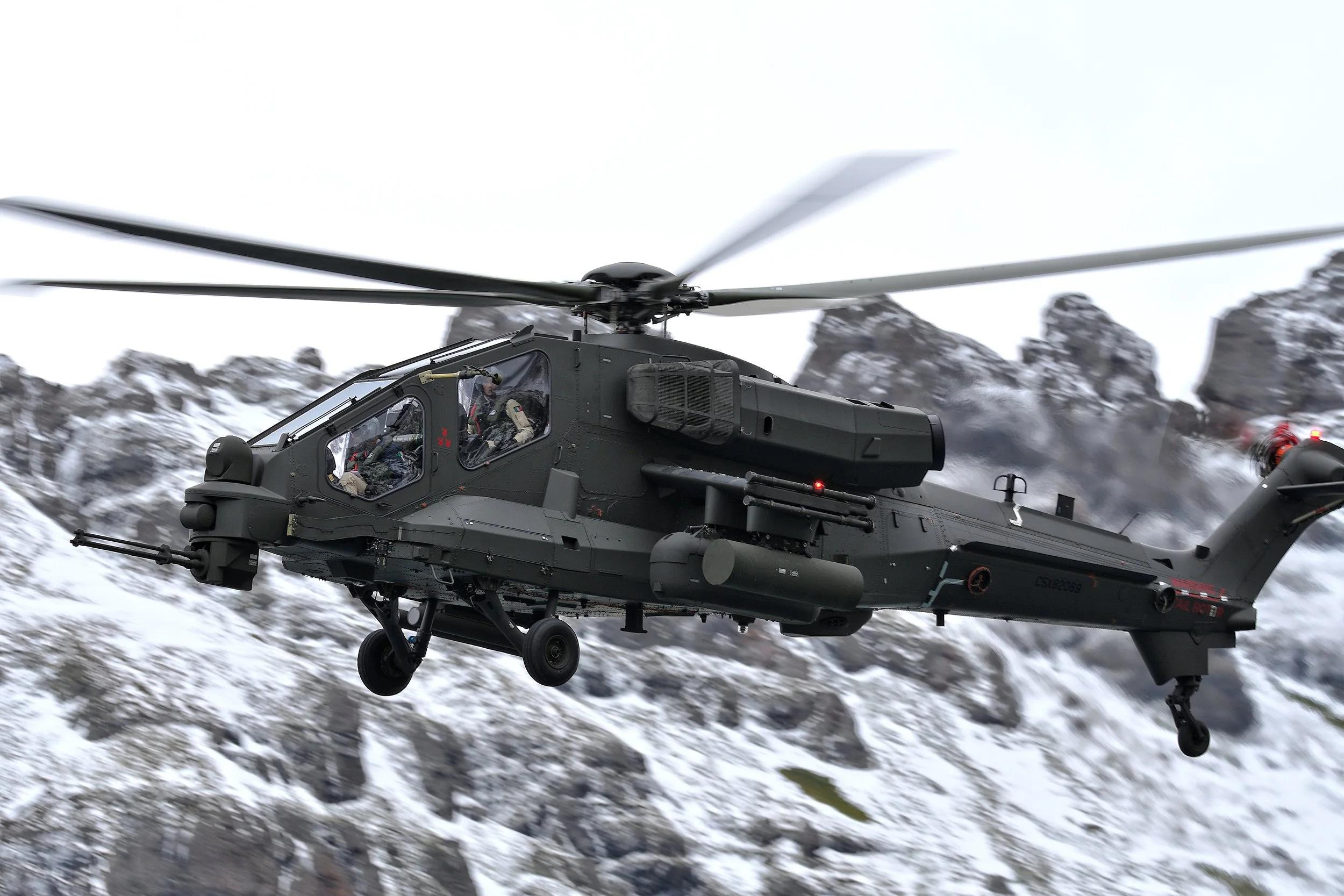
Italy has formally signed for an additional 29 AW249 “Fenice” (Phoenix) attack helicopters in a €1.22 billion deal.

The race to redefine how the U.S. Army trains its next generation of helicopter pilots is on.
Latest Insights
Latest Deep Dives
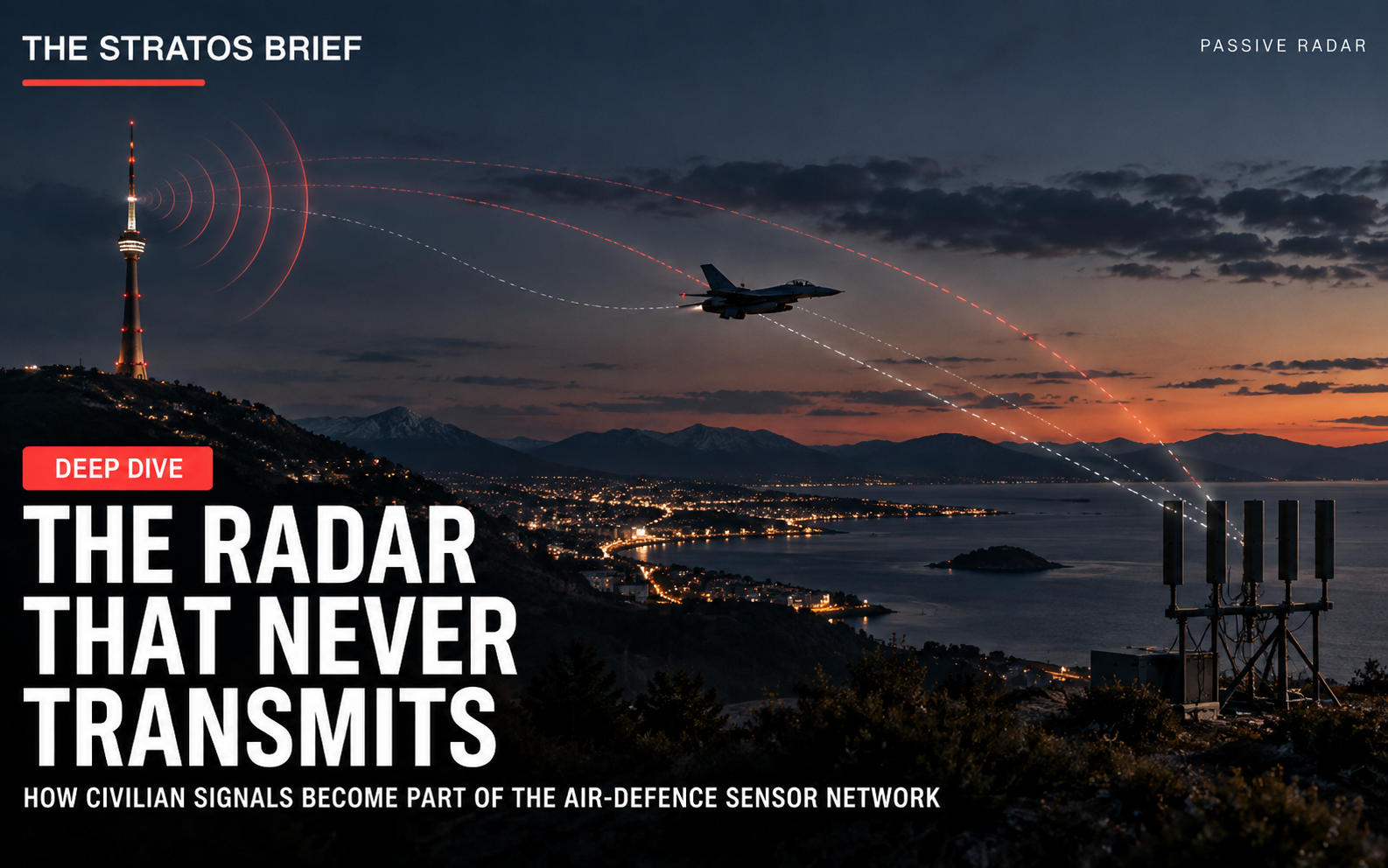
Passive radar can detect aircraft without transmitting a radar signal of its own. By exploiting FM radio, digital television, cellular networks and potentially satellite communications, these systems are becoming an increasingly important layer of modern air defence.
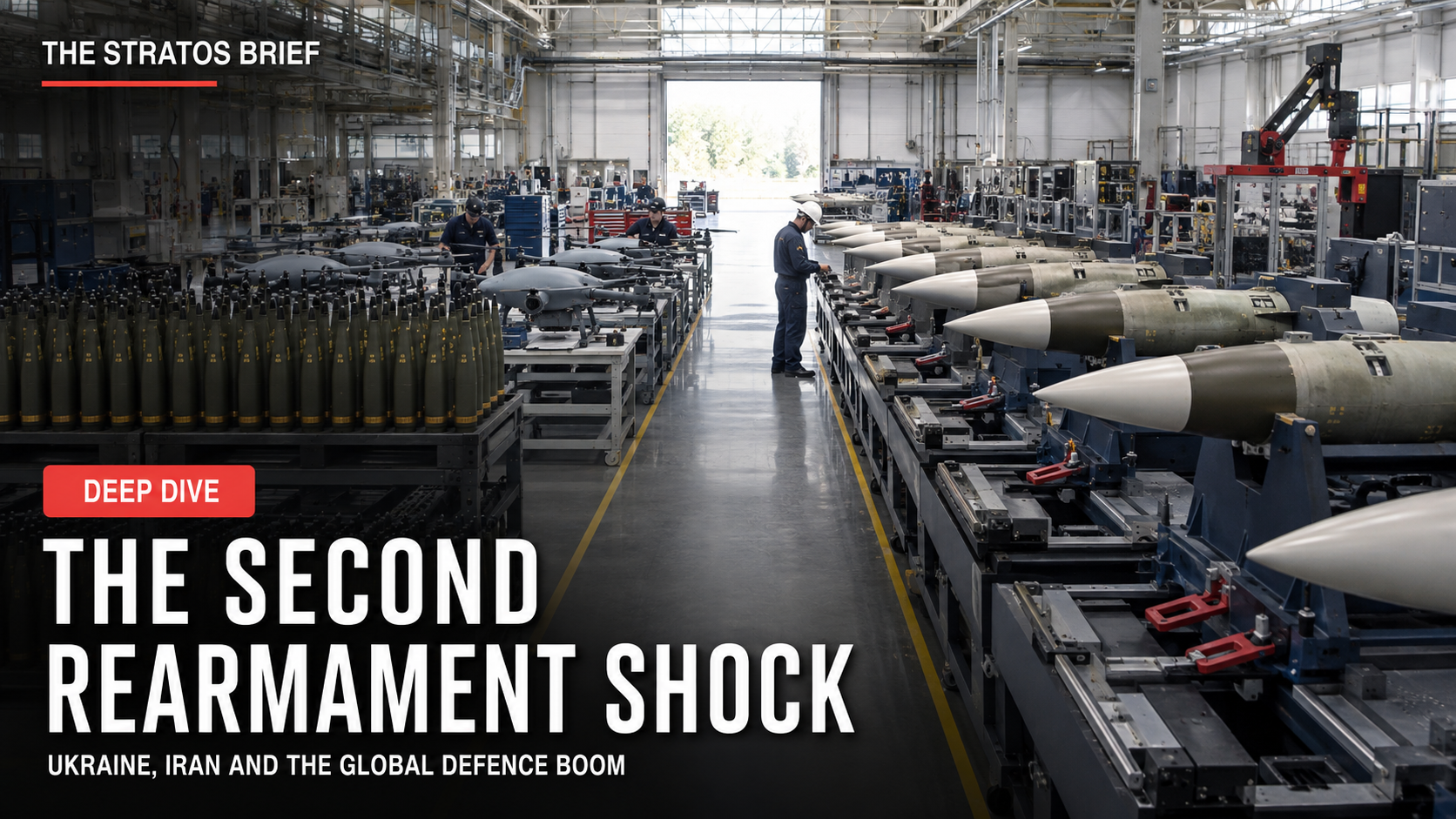
Russia’s full-scale invasion of Ukraine brought industrial-scale attrition back to Europe. The 2026 conflict with Iran is now straining high-end missile and interceptor inventories. This Deep Dive follows the new defence boom from government budgets to factory floors, examining who benefits, who pays and why its largest industrial effects may still lie ahead.

Satellites can already extend the life of other spacecraft, while robotic repair and refuelling are moving towards operational use. This Deep Dive compares the US, European, Chinese, Russian, Japanese, Indian and allied programmes — and explains the commercial, military and political stakes.
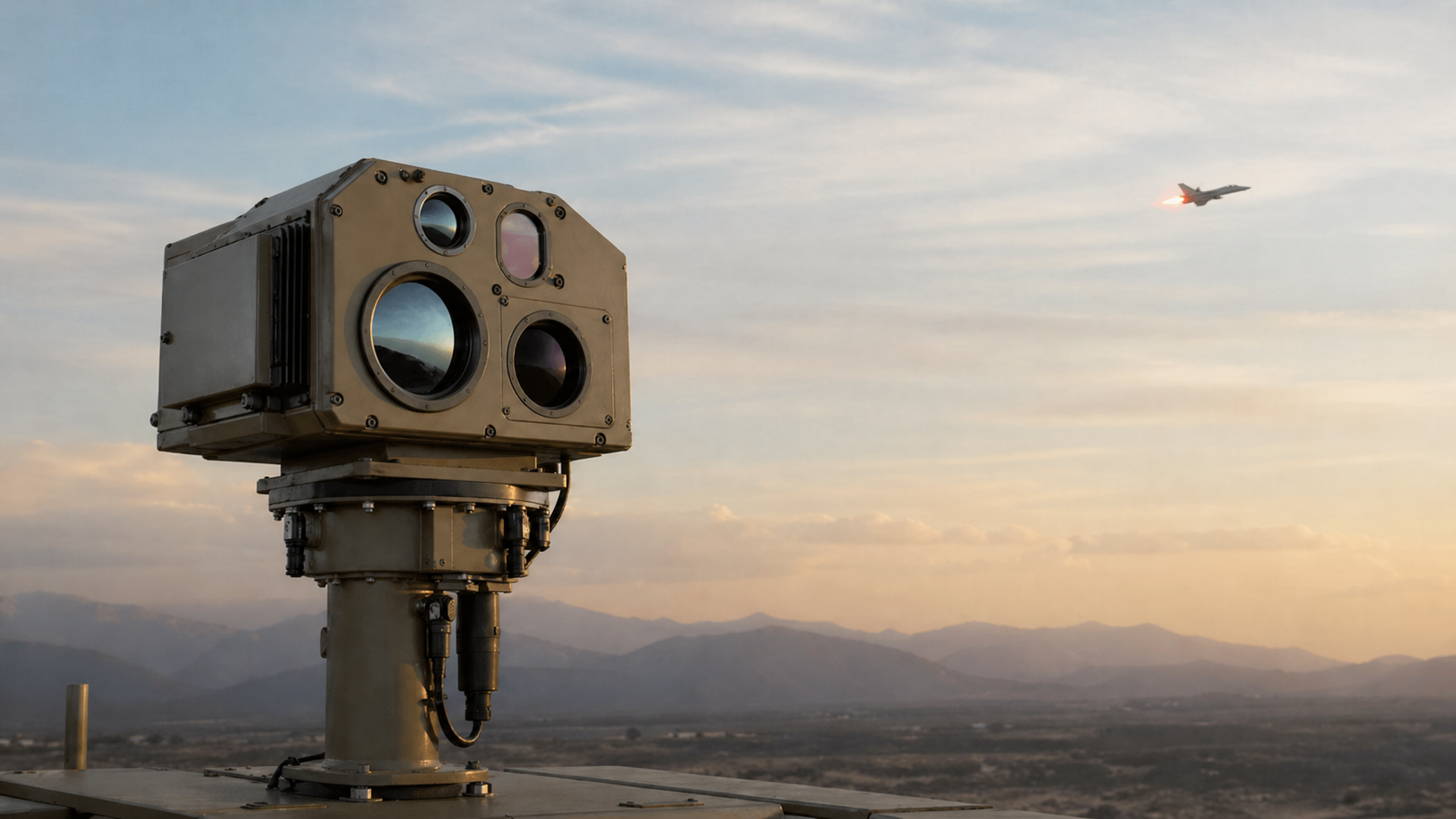
Passive infra-red and electro-optical sensors are becoming one of the least understood layers of modern air defence. They do not replace radar, but they can help air-defence networks detect, track and classify aerial threats without transmitting radar energy. This makes them harder to detect electronically and harder to suppress in contested airspace. From Israel’s Sky Spotter to European, US, Russian, Chinese and Iranian systems, passive EO/IR sensing is moving from a specialist technical niche into the centre of modern layered air defence.

GPS transformed aviation, but it also created a hidden vulnerability. As jamming and spoofing become a normal part of the operating environment, aerospace is being forced to rethink one of its oldest assumptions: that satellite navigation will always be available and always be trustworthy. Quantum navigation is emerging as one of the most credible answers. From magnetic field mapping to quantum-enhanced inertial sensing, a new generation of resilient navigation technologies promises to help aircraft, drones, and ships keep their bearings when traditional signals fail. The question is no longer whether the field is real. It is how quickly it will move from trials and demonstrations into operational use.
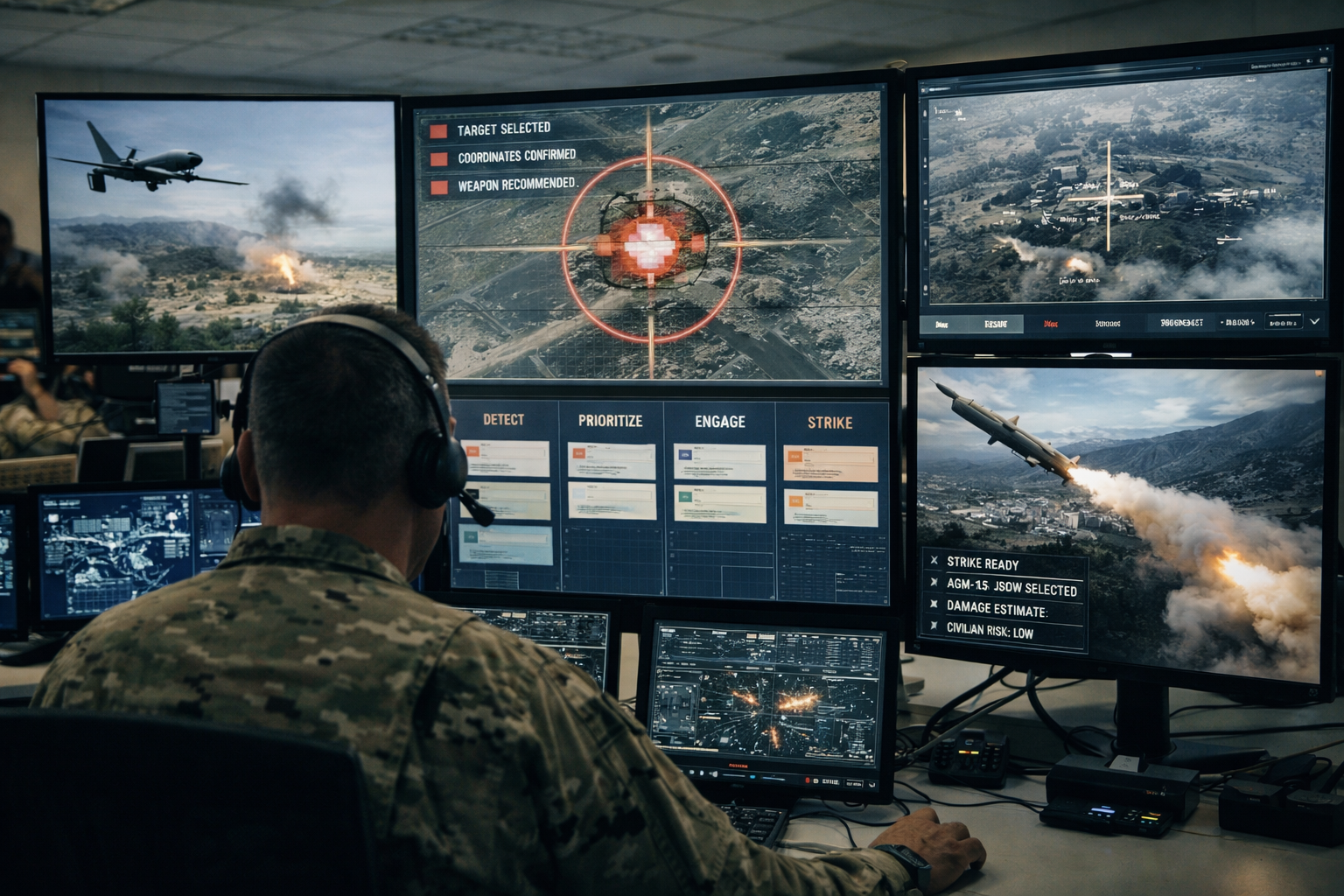
Artificial intelligence is no longer a future add-on to military operations. It is becoming the software layer through which modern warfare is increasingly seen, understood, and directed. From Palantir’s Maven Smart System to Ukraine’s DELTA ecosystem and NATO’s rapid adoption of AI-enabled command tools, battle management is shifting toward a new model where decision advantage matters as much as firepower. This deep dive examines how AI-supported battle management works, why it is gaining strategic importance, where its operational advantages lie, and why its rise is triggering growing controversy over speed, accountability, and the future role of humans in the kill chain.

Swarms of cheap drones and mass missile barrages are rewriting the rules of air defense. When attacks come in the hundreds, the decisive variable is no longer just interceptor performance, but the economics of sustaining fire night after night. This is where high energy lasers are moving from promise to procurement. A laser does not run out of missiles. It runs on power, cooling, and line of sight.
Laser air defense is not a silver bullet, and it is not a distant concept anymore. Several systems are already moving into operational service, while others are in late stage trials on land vehicles and warships. The technology is also maturing fast: power levels are climbing, beam control and tracking are improving, and integration into existing air defense networks is becoming standard. At the same time, the constraints are real. Weather, dwell time, target hardening, and the challenge of defending against complex, mixed salvos mean lasers will complement interceptors rather than replace them.
The current escalation between Iran, the United States, and Israel marks a decisive break from decades of managed confrontation.
The conflict has evolved from shadow warfare into a multi-domain regional war—spanning missile exchanges, energy infrastructure targeting, and strategic maritime disruption.
Its implications extend far beyond the battlefield:
The collapse of Gulf neutrality is accelerating coalition dynamics
Energy markets are once again exposed to geopolitical chokepoints
Europe faces renewed structural vulnerability
Russia and China are recalibrating through strategic distance
The outcome will shape not only the Middle East, but the future architecture of global power.
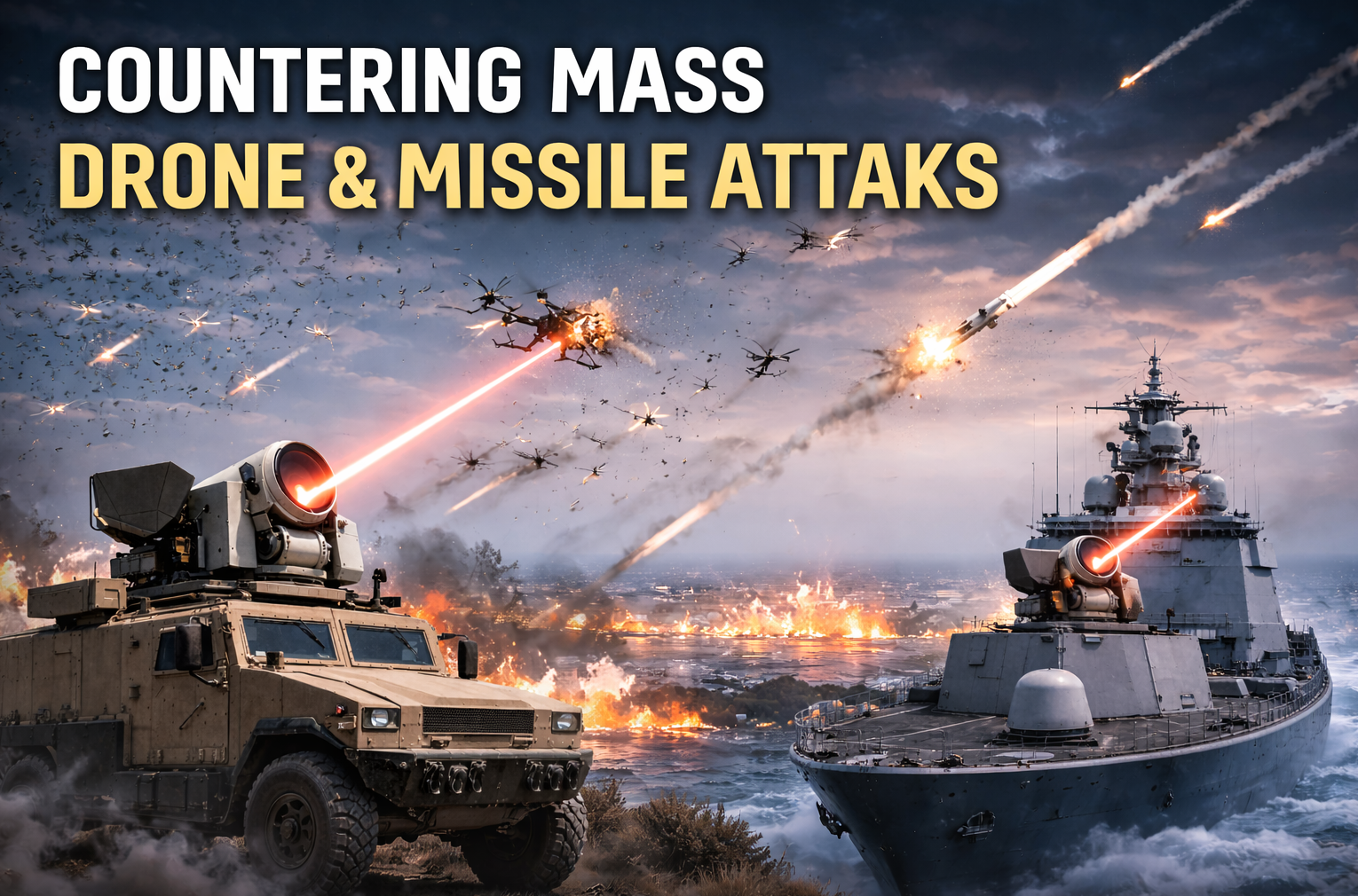
Swarms of cheap drones and mass missile barrages are rewriting the rules of air defense. When attacks come in the hundreds, the decisive variable is no longer just interceptor performance, but the economics of sustaining fire night after night. This is where high energy lasers are moving from promise to procurement. A laser does not run out of missiles. It runs on power, cooling, and line of sight.
Laser air defense is not a silver bullet, and it is not a distant concept anymore. Several systems are already moving into operational service, while others are in late stage trials on land vehicles and warships. The technology is also maturing fast: power levels are climbing, beam control and tracking are improving, and integration into existing air defense networks is becoming standard. At the same time, the constraints are real. Weather, dwell time, target hardening, and the challenge of defending against complex, mixed salvos mean lasers will complement interceptors rather than replace them.
This article maps what is actually happening. It explains the main laser technologies, how they reached today’s state, where the operational edge is emerging, and what to watch next. For political and business decision makers, the takeaway is simple: directed energy is changing the cost exchange of air defense and with it the procurement priorities, industrial partnerships, and strategic assumptions that will shape the next decade.

America’s $150B defense surge isn’t just “more spending.” It’s a blueprint for a different kind of force: one built for contested logistics, missile-dense theatres, and the industrial reality that wars are won as much in shipyards and factories as they are at sea or in the air. This analysis breaks down what the money actually buys—from munitions throughput and maritime capacity to airbase resilience and deterrence modernization—and why the real story is the shift from platforms to production depth.
Follow The Stratos Brief beyond the website
Additional visuals, short updates, and selected context notes are published only on our LinkedIn and Facebook profiles.
Our Approach to Clients Success
Strategic Foresight & Market Intelligence
We monitor civil and military aerospace, defence and technology sectors, using open‑source data and expert interpretation to provide context, strategic forecasts and market intelligence. This helps leaders anticipate shifts, assess opportunities and understand the forces shaping their environment.Commercial & Lifecycle Analysis
We analyse commercial performance, pricing, customer engagement and aftermarket trends across the lifecycle of aerospace products. This intelligence helps organisations identify value‑creation opportunities and position themselves effectively in competitive procurement and sales environments.Technology & Operational Insights
Our analysts examine digital transformation, analytics, and emerging technologies, evaluating how they affect operational effectiveness and performance. We translate complex technological developments into clear insights that enable more informed decisions.
Organisational & Talent Dynamics
Drawing on our understanding of how organisations operate, we assess leadership capacity, organisational design and talent strategies. Our analysis highlights the cultural and structural factors that drive resilience and long‑term performance.
This week in business aviation, market access emerged as a defining competitive advantage. From Bombardier’s Global 8000 gaining London City approval to Flexjet’s new Farnborough terminal, tightening ultra-long-range inventory and continued fractional growth, the industry is increasingly competing on access, infrastructure and customer experience—not aircraft performance alone.